
Last updated September 23, 2026
Free visual inspection and a written scope of work before any mitigation begins - photos, moisture readings, and drying logs go in your claim file
The scope we write is the scope we bill. Anything new gets shown to you, in writing, before we touch it.
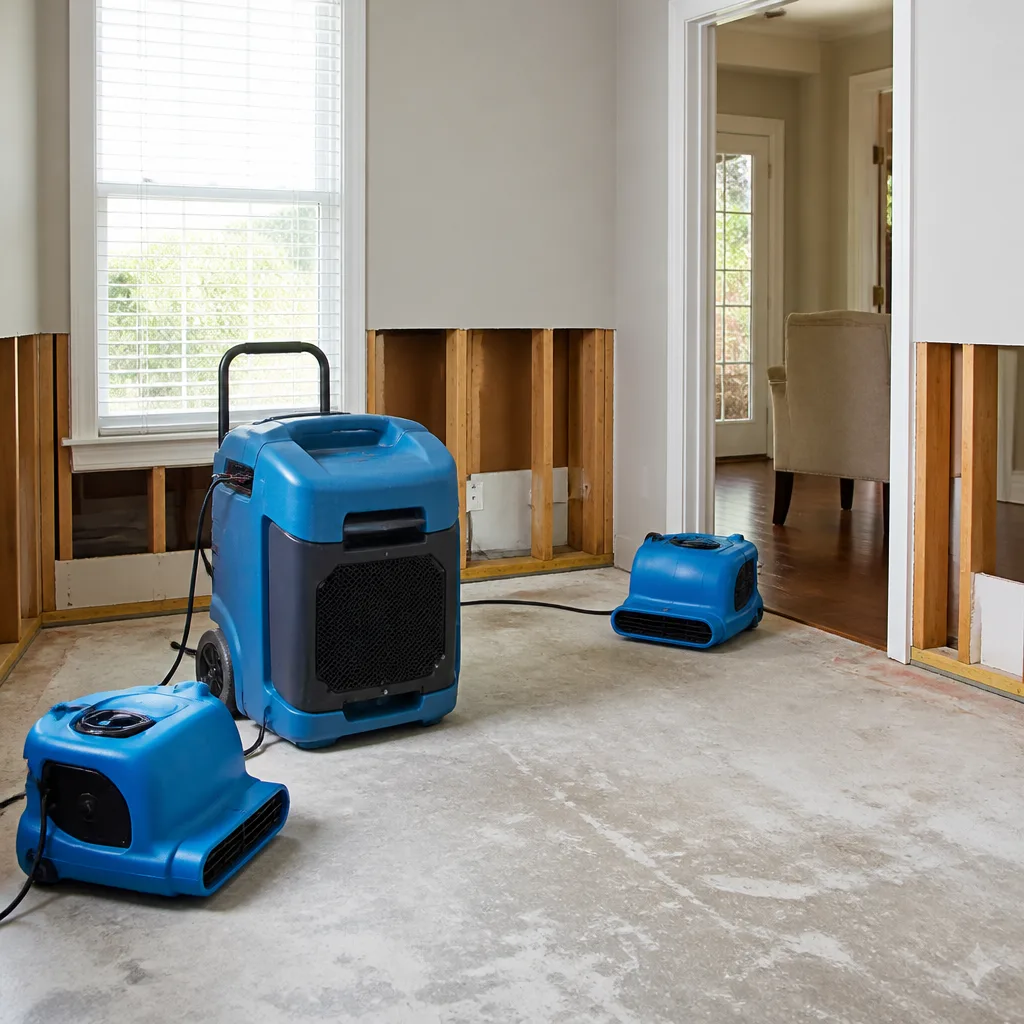

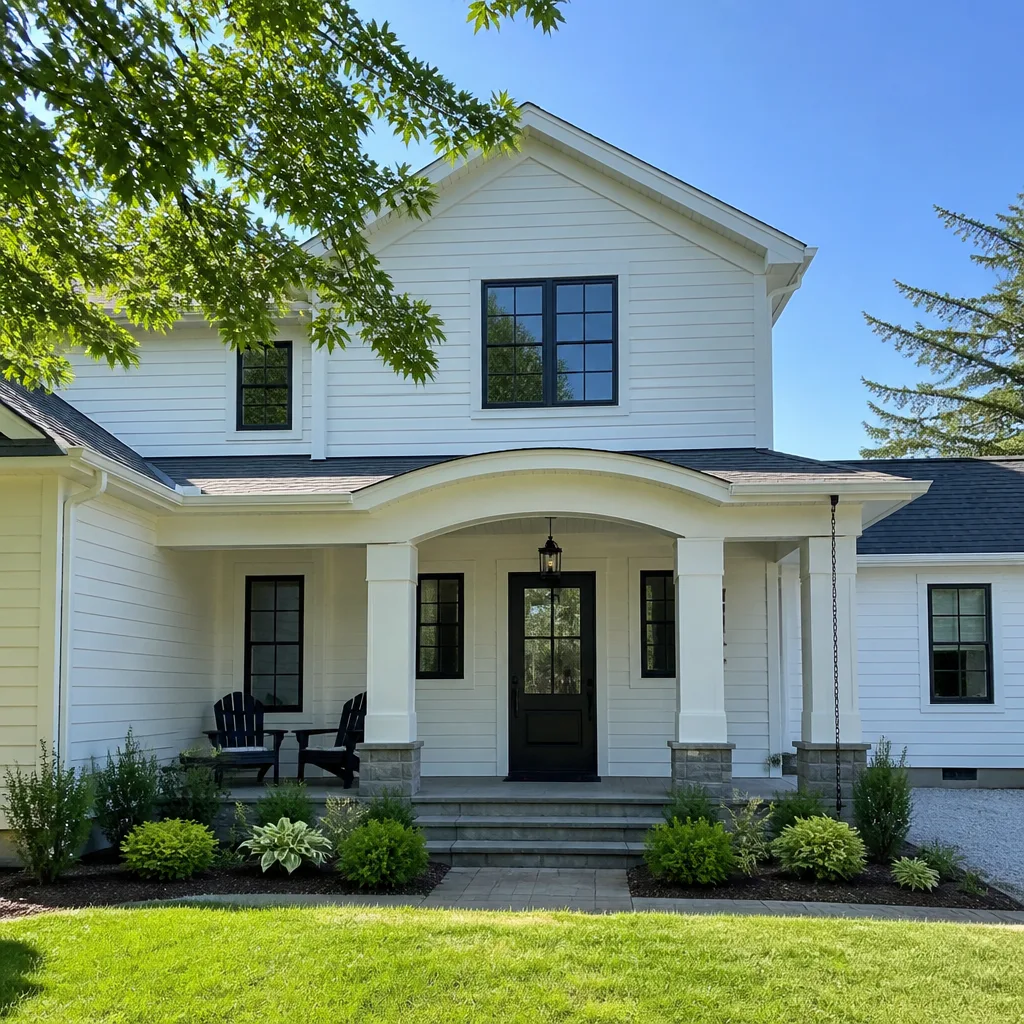
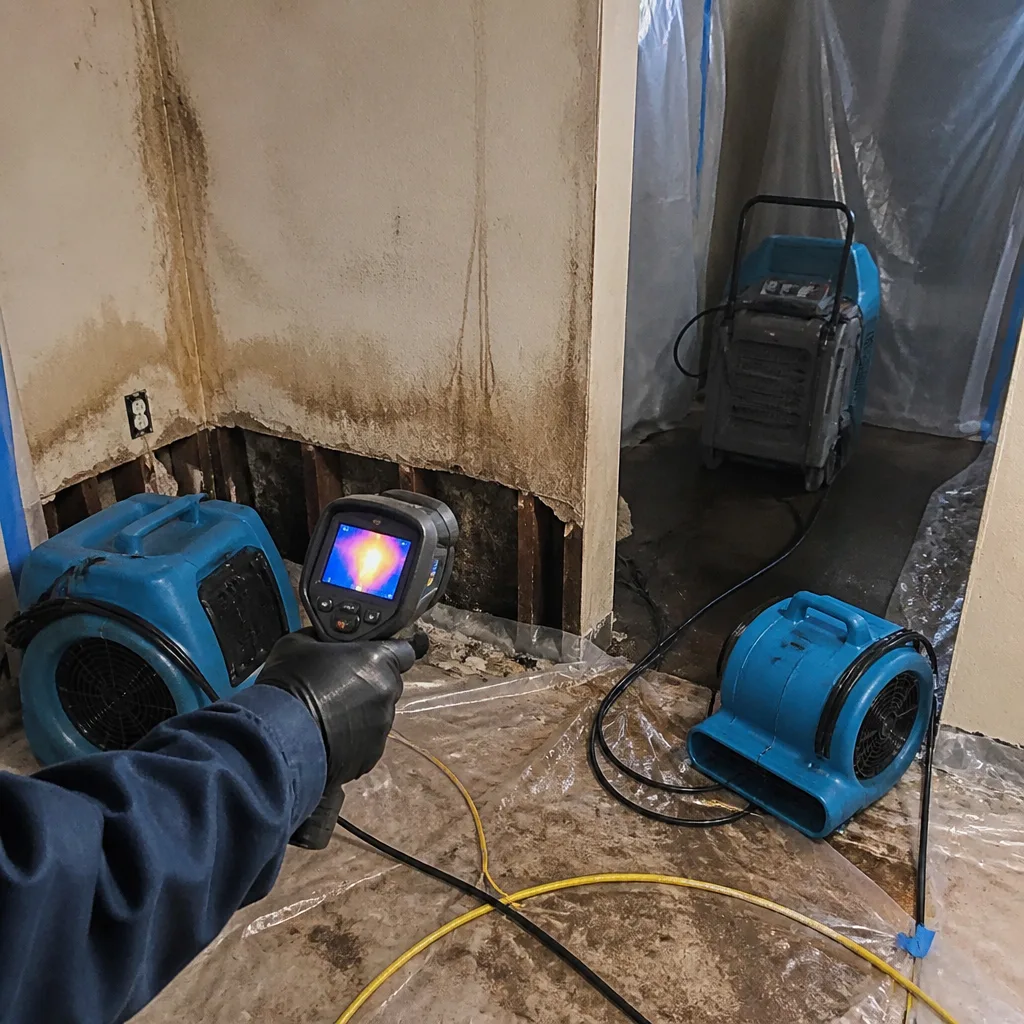 Before
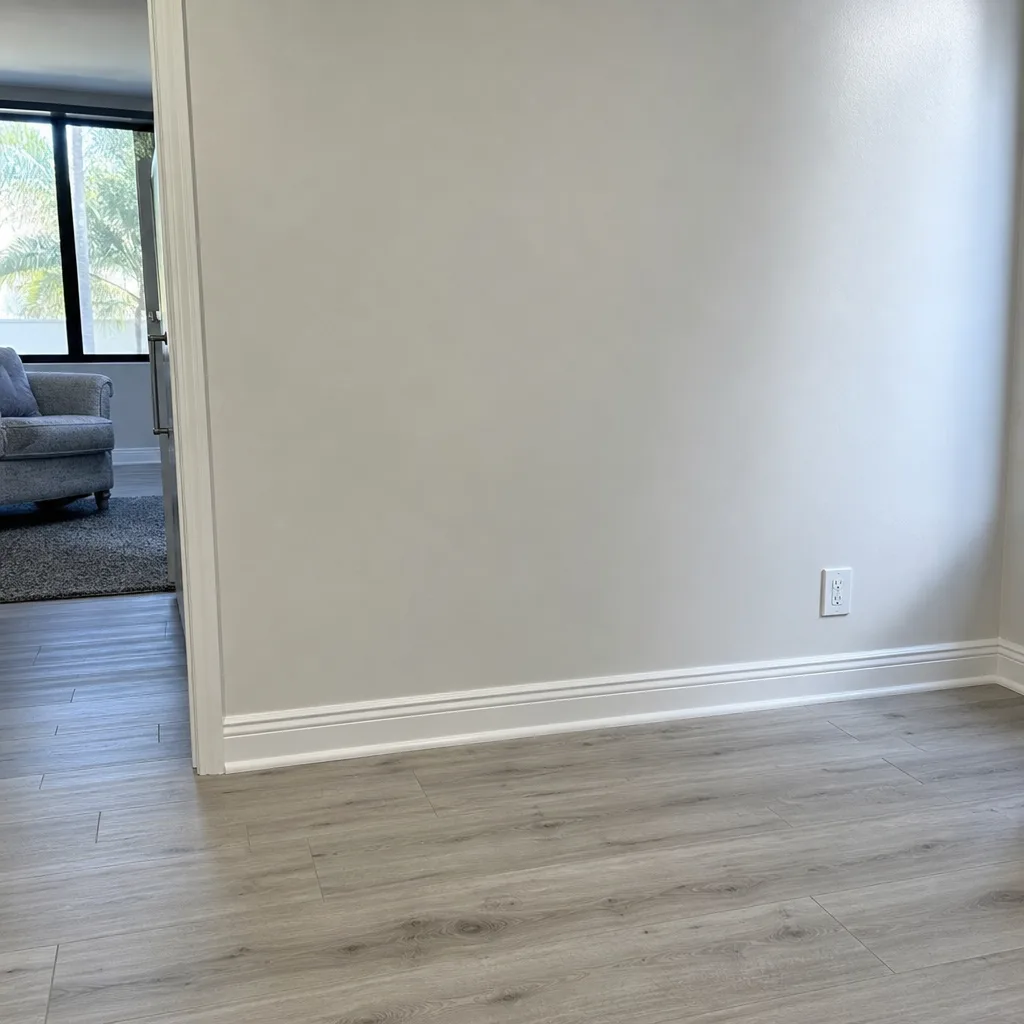 After
After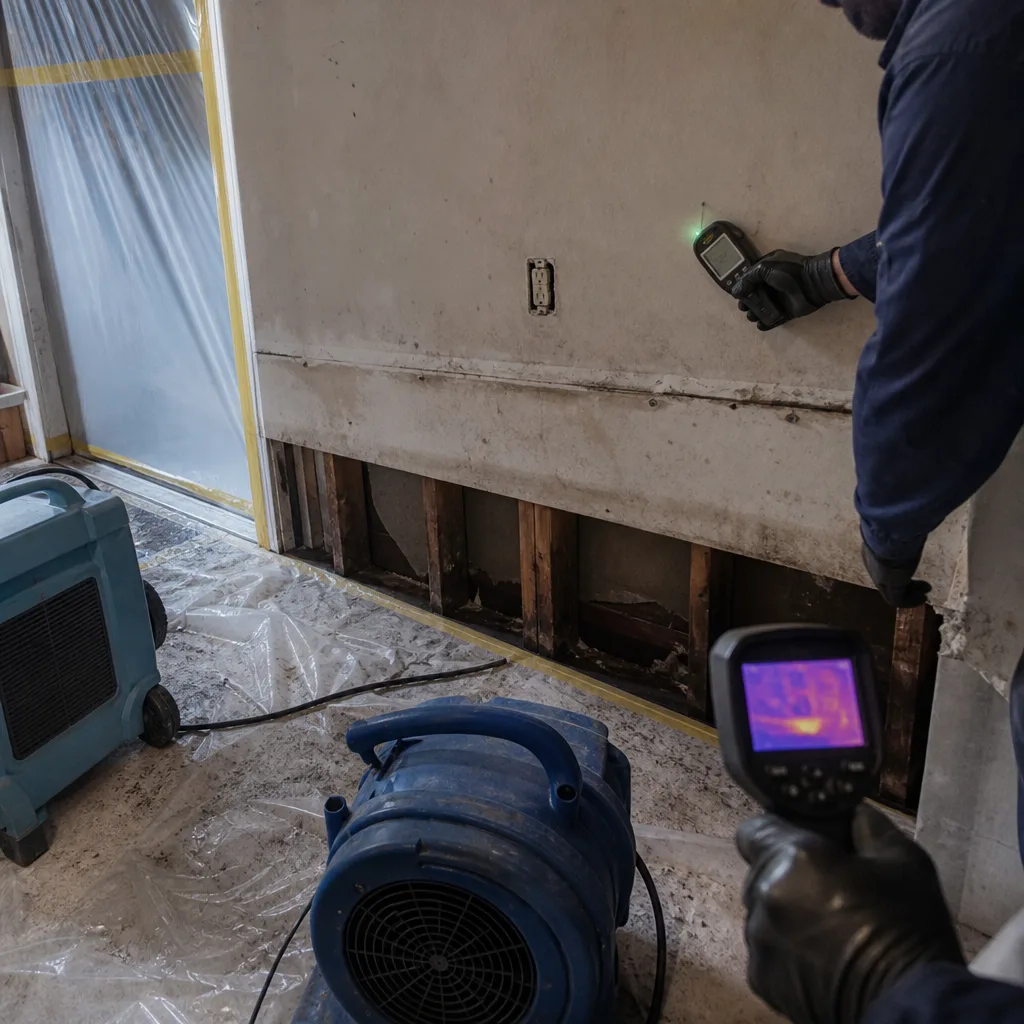 Before
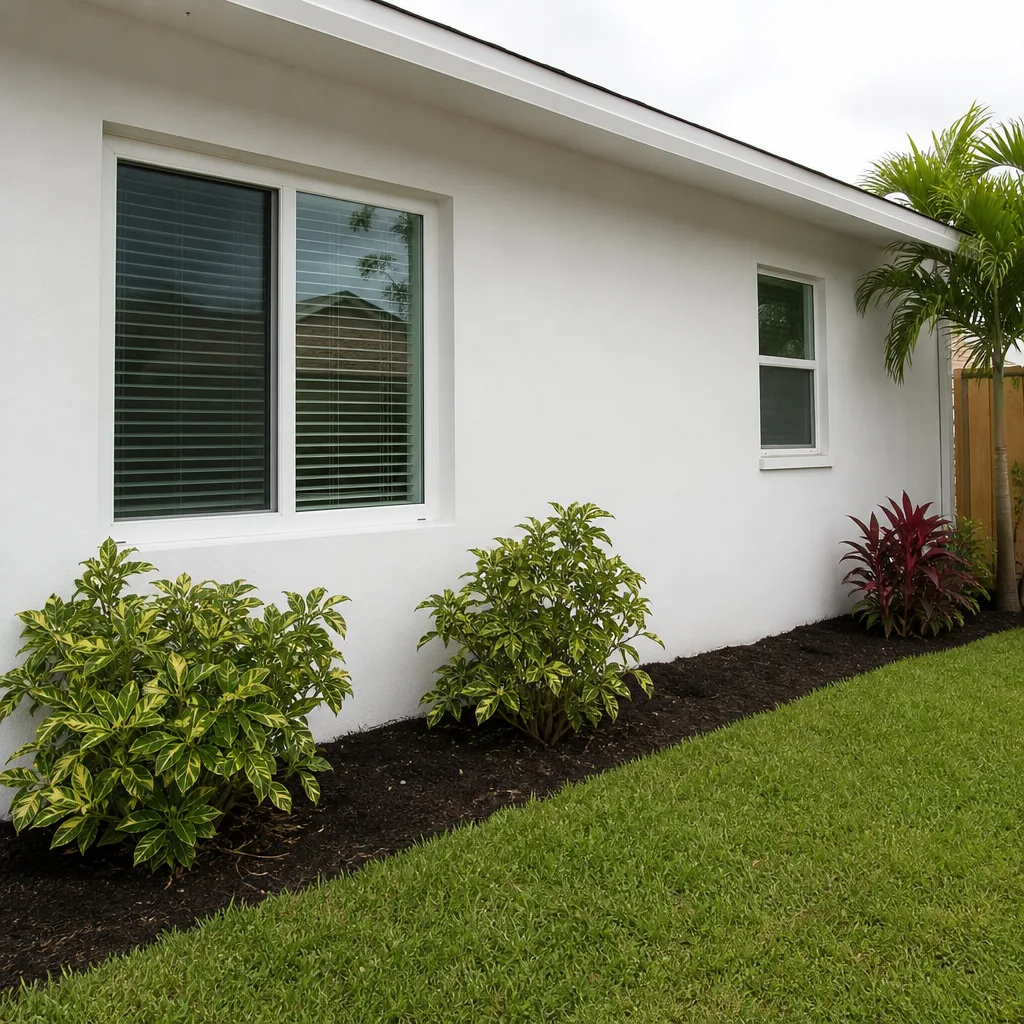 After
After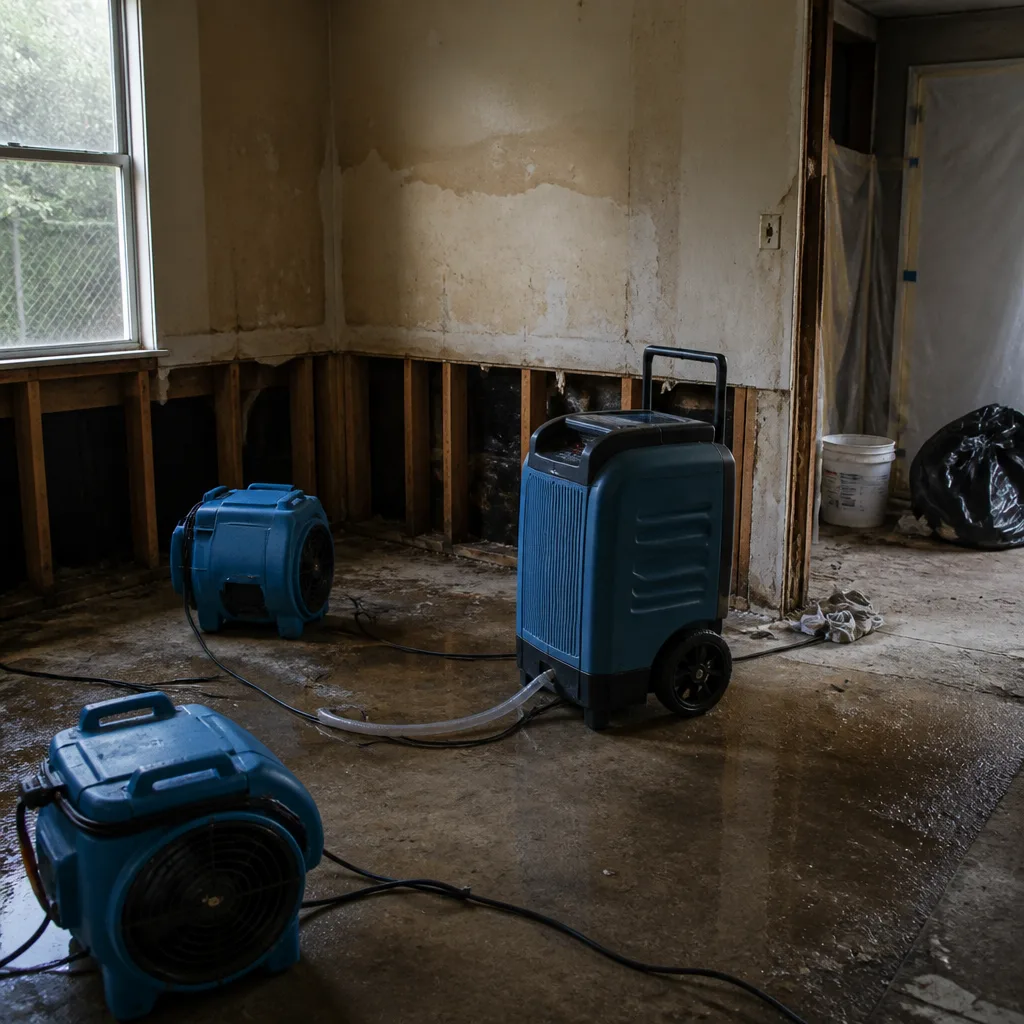 Before
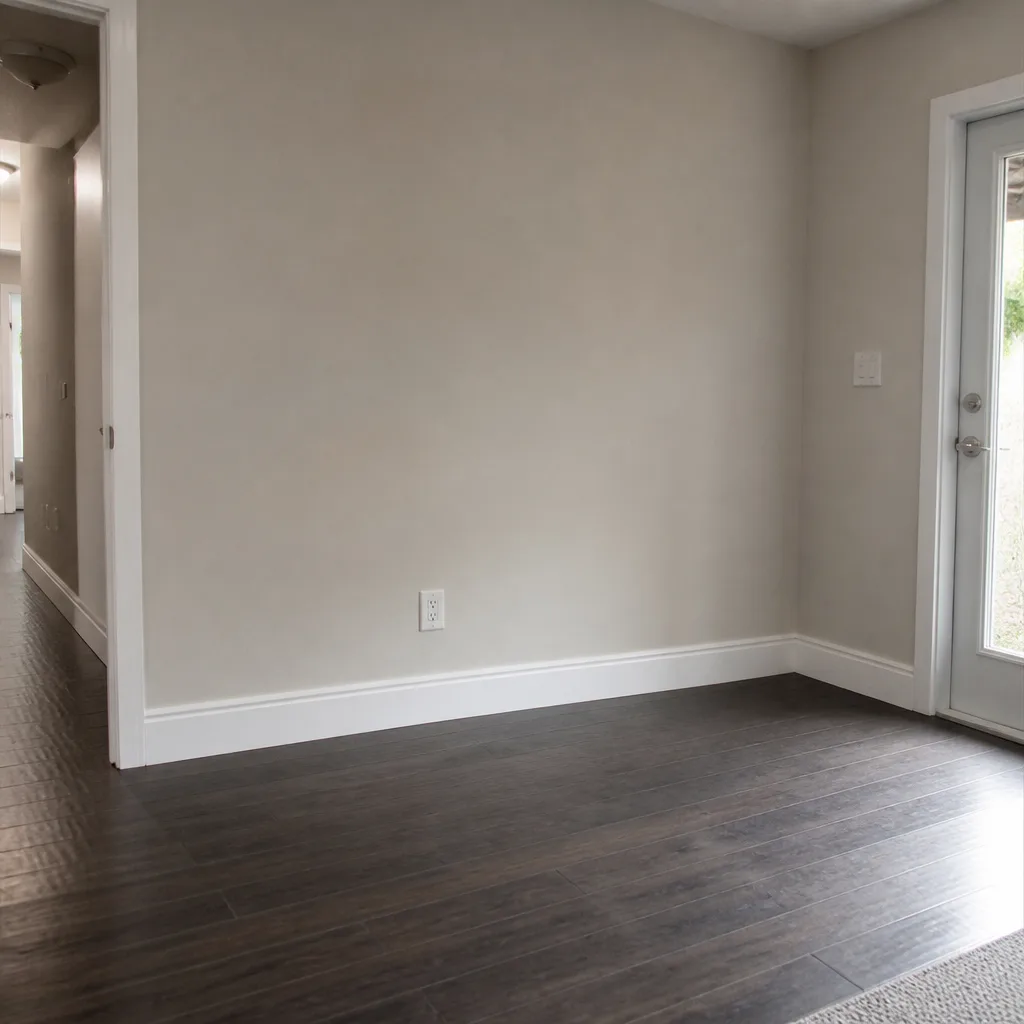 After
AfterThe Complete Guide to Damage Restoration in Pompano Beach
Florida insurers denied or underpaid residential property claims at a rate that prompted SB 2D in 2022, a law written specifically to curb insurer conduct during the state’s insurance crisis. Yet most Pompano Beach homeowners still hand a contractor their keys without requesting a single moisture reading, written scope, or photo record. The result: disputed invoices, out-of-pocket rebuild costs, and secondary damage that surfaces months later with no paper trail to support a supplemental claim. This guide maps every stage of damage restoration through the lens of documentation, because in our experience, the paperwork trail determines whether you collect 100 cents on the dollar or eat the difference yourself. For related reading, see our Damage Restoration Warning Signs: A Pompano Beach Homeowner’s Reference Guide.
Quick Answer
Damage restoration in Pompano Beach is the documented process of returning a property to pre-loss condition after water, fire, mold, storm, or biohazard damage, with full insurance compliance requiring a written scope before work begins, daily drying logs with psychrometric data, photo records on every visit, and a completion report that satisfies IICRC S500 or S520 standards. In Pompano Beach’s subtropical climate, where summer humidity routinely exceeds 85% and Intracoastal proximity accelerates moisture intrusion in aging 1970s-1990s construction, proper documentation is not optional paperwork; it is the difference between a paid claim and a denied one.
Table of Contents
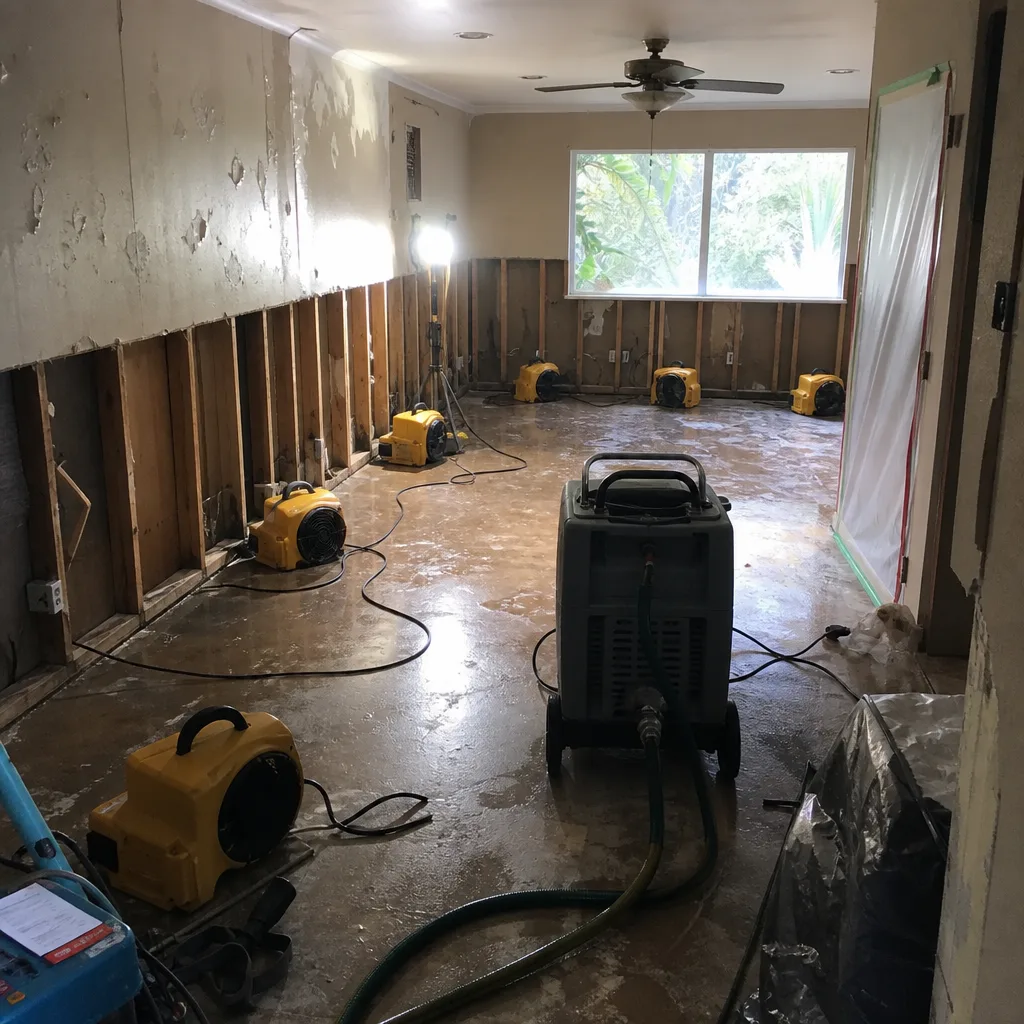
- Why Documentation-First Restoration Matters in Pompano Beach
- Water Damage Restoration: The Drying Log as Evidence
- Mold Remediation: S520 Compliance in High-Humidity Conditions
- Fire & Smoke Damage: Documenting Hidden Tertiary Damage
- Storm & Disaster Restoration: Intracoastal Flooding Patterns
- The Written Scope: Your Protection Against Cost Surprises
- Closing a Broward County Insurance Claim Without a Fight
- The 365-Day Documentation Retention Rule
 Before
 After
AfterWhy Documentation-First Restoration Matters in Pompano Beach
We’ve restored over 12,000 homes since 2011, and the pattern is consistent: the jobs that pay without dispute are the jobs where documentation started before the first dehumidifier switched on. Pompano Beach presents specific challenges that make this especially critical.
The city’s housing stock skews heavily toward construction from 1970 through 1999, an era of concrete block with stucco exteriors, original cast-iron plumbing now past its service life, and flat or low-slope roofing common in neighborhoods like Cresthaven, Palm Aire, and the original Pompano Beach Highlands plats. These materials behave predictably when damaged, but only if a contractor knows what to document. Cast-iron drain lines don’t fail catastrophically; they develop pinhole seepage that wicks into block cavities for weeks before visible staining appears. By the time a homeowner calls, the moisture map extends far beyond the visible damage.
Proximity to the Intracoastal Waterway and the Atlantic compounds this. Properties east of Federal Highway, particularly in Harbor Village, Garden Isles, and the Isles of Pompano, sit on fill soils with high water tables. A water heater failure in a 1985 ranch on a slab foundation doesn’t just flood the living area; it creates hydrostatic pressure that drives moisture through slab joints and into baseplate framing. Without thermal imaging and documented moisture readings at multiple depths, an adjuster can claim the damage predated the loss event.
The Haven Standard, which governs every job we take, was built around this gap. Clause 1 requires a written price before any work starts. Not an estimate range, not a “we’ll see when we get in there” - a line-item scope with quantities, unit prices, and a total. This document becomes the baseline against which all subsequent documentation is measured. When daily drying logs show vapor pressure differential declining toward equilibrium, when photo records timestamp each phase, when the completion report references IICRC S500 drying standards by section, the claim closes clean.
We’ve seen what sloppy documentation costs. A homeowner in the Collier Manor area accepted a verbal quote for water damage restoration in 2019, received no written scope, and found themselves billed $14,000 above the initial figure when the contractor discovered “unexpected” mold in a closet wall. The insurer denied the supplemental as undocumented. The homeowner paid out of pocket. That scenario is what The Haven Standard exists to prevent.
Water Damage Restoration: The Drying Log as Evidence
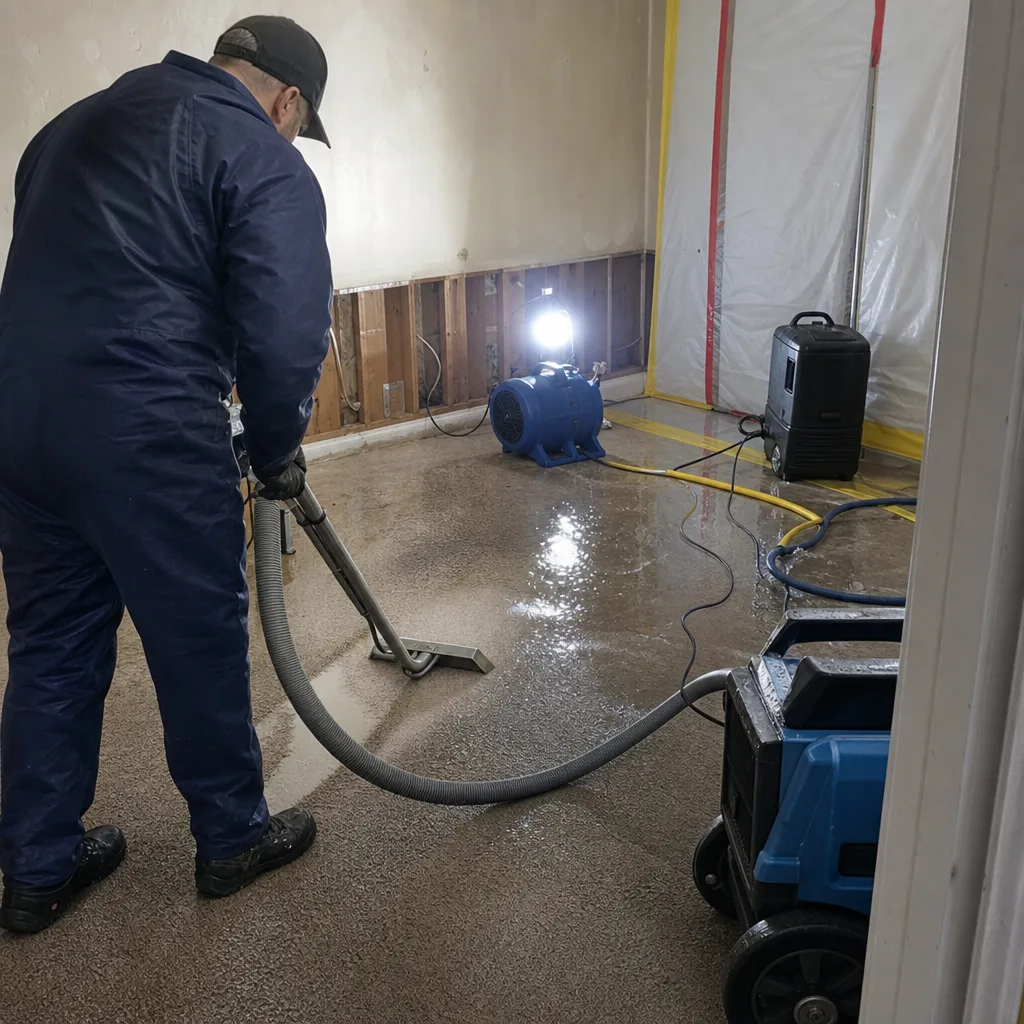
Water damage restoration in Pompano Beach follows IICRC S500, the standard of care for professional water damage restoration. But the standard itself is not what gets a claim paid; it’s the documented proof that the standard was met.
The drying log is the central document. It records, at minimum once per 24-hour period, the following psychrometric data: relative humidity and temperature in the affected area, relative humidity and temperature in a designated unaffected control area, specific humidity calculations, and vapor pressure differential between the wet structure and the ambient air. These numbers tell a story. A properly managed drying job in Pompano Beach’s July humidity shows vapor pressure differential narrowing from 10+ millibars toward equilibrium over 72-96 hours. A job where the contractor set equipment and left shows flat or erratic readings, or no readings at all.
Here’s what the daily drying log should contain, and why each element matters to your adjuster:
- Moisture content readings by material type. Wood framing is measured with pin-type meters calibrated to species; drywall with non-invasive scanning to 3/4-inch depth; concrete with calcium chloride testing or in-situ relative humidity probes. Each method has an IICRC-specified dry standard. We record the meter brand, model, and calibration date.
- Equipment inventory and placement map. Every LGR dehumidifier, air mover, and axial fan is logged by serial number and positioned on a room diagram. In Pompano Beach’s older homes with floor plans that don’t match current county records, this prevents disputes about whether adequate airflow reached all affected cavities.
- Thermal imaging documentation. Flir or equivalent infrared cameras reveal evaporative cooling at wet surfaces invisible to visual inspection. We photograph the same angle daily to show migration patterns and confirm drying progress.
- Structural modifications with before/after photos. When we remove baseboards, drill weep holes in drywall, or perform flood cuts at 12-inch or 24-inch heights per IICRC S500 Category guidelines, each action is photo-timestamped and referenced in the written scope amendment.
Equipment selection matters in this climate. We deploy Dri-Eaz LGR 7000XLi dehumidifiers for their performance at high specific humidity, Phoenix 200 HT units for low-grain refrigerant efficiency below 40 grains per pound, and Injectidry HP-Plus systems for positive-pressure wall cavity drying when exterior vapor drive is strong. Each machine’s hour meter reading is logged daily; this becomes part of the invoice backup that insurers audit.
A homeowner in Cypress Bend learned this value in 2022. A supply line failure saturated a hallway and two bedrooms. Our drying log showed moisture content in oak strip flooring declining from 18% to 9% over four days, with vapor pressure differential tracking from 12.3 to 2.1 millibars. The insurer’s independent adjuster attempted to deny three days of equipment rental as “excessive.” We submitted the complete log with IICRC S500 section references. The denial was reversed in 48 hours.
Mold Remediation: S520 Compliance in High-Humidity Conditions
Mold remediation in Pompano Beach operates under IICRC S520, but the standard’s implementation here differs materially from drier climates. Florida’s year-round humidity means mold growth potential exists at moisture content levels that might self-resolve in Arizona or Colorado. A drywall moisture content of 1% above normal can support Stachybotrys chartarum colonization when ambient relative humidity stays above 70% for 72 hours. In Pompano Beach, that’s any summer week without air conditioning.
The documentation requirements are correspondingly strict. S520 mandates:
- Pre-remediation assessment with air and surface sampling, documented by an independent laboratory with chain-of-custody records
- Containment barrier construction with negative air pressure differential of 0.02 inches of water column, verified and logged every four hours during active remediation
- HEPA filtration with 99.97% efficiency at 0.3 microns, with filter pressure drop readings recorded to confirm adequate airflow
- Post-remediation verification (PRV) including air sampling and visual inspection, with laboratory results showing spore counts at or below outdoor baseline plus statistical variance
We add The Haven Standard’s layer: photo documentation of every containment build, every bag-out of contaminated material, and every surface after HEPA vacuuming and antimicrobial application. The homeowner receives this record, not just the lab report.
Pompano Beach’s specific risk factors include the prevalence of original jalousie windows in 1960s-1970s construction, particularly in the original beachside neighborhoods. These windows leak driving rain during summer thunderstorms, and their aluminum frames conduct condensation that pools in sill plates. We’ve documented cases where a homeowner believed they had a roof leak, but thermal imaging revealed the actual moisture source as window frame condensation tracking down interior block walls. Without that documentation, a roofer might have replaced sound shingles at $8,000-$12,000 while the real problem continued.
The distinction between mold remediation and mold cleaning matters for insurance purposes. Most policies cover remediation only when mold is secondary to a covered water loss, and only when the water loss was reported promptly. Documentation that connects the mold discovery to the original water event, with dated moisture logs showing the progression, is what preserves coverage. A standalone mold claim without that causal chain is typically excluded.
Fire & Smoke Damage: Documenting Hidden Tertiary Damage
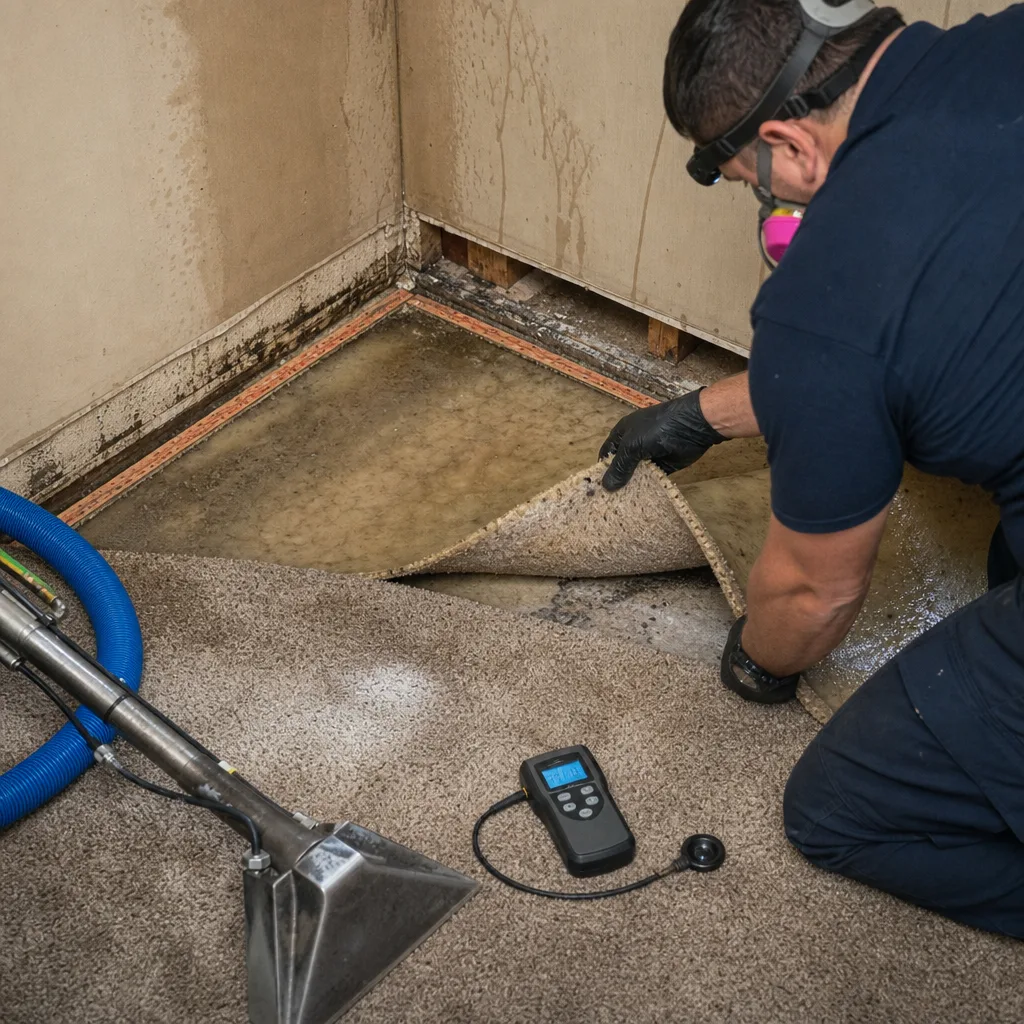
Fire & smoke damage restoration in Pompano Beach requires attention to damage categories that don’t appear in the initial loss scene. IICRC and RIA standards recognize three levels: primary damage from direct flame contact, secondary damage from smoke and heat, and tertiary damage from suppression activities and subsequent environmental exposure.
The tertiary category is where documentation protects homeowners most. A kitchen fire extinguished with water creates two parallel damage tracks: the fire itself, and the water intrusion into cabinetry, wall cavities, and subflooring. In Pompano Beach’s humidity, that water doesn’t passively dry. It activates dormant mold spores, swells MDF cabinetry (common in 1980s-1990s Pompano Beach construction), and corrodes galvanized steel plumbing that may still exist in original builds.
Our documentation protocol for fire jobs includes:
- Pre-mitigation moisture mapping of the entire structure, not just the fire room. We find water damage in adjacent rooms in roughly 40% of residential fire restorations.
- Inventory of affected contents with photo condition records, cross-referenced to the homeowner’s insurance policy contents coverage limits and any scheduled items.
- Air quality testing for particulate matter, volatile organic compounds, and carbon monoxide residue, with results compared to OSHA and EPA exposure guidelines.
- Structural assessment by a licensed Florida contractor when fire exposure exceeded 20 minutes or involved truss components, with written findings incorporated into the restoration scope.
- Overwash flooding in beachside neighborhoods like Harbor Village and Pompano Beach Shores, where storm surge breaches dune lines and deposits salt water through structures. Salt water is Category 3 under IICRC S500, requiring removal of porous materials regardless of apparent cleanliness.
- Intracoastal tidal backup through stormwater systems, particularly in Garden Isles and the original plats near McNab Road, where aging drainage infrastructure can’t handle combined rainfall and tidal surge. This water carries organic contaminants from canal systems and requires full S500 Category 3 protocol.
- Wind-driven rain intrusion through soffit vents, ridge vents, and window seals in homes built before 2002 Florida Building Code wind provisions. The damage appears as water staining distant from obvious breach points, requiring methodical moisture mapping to trace entry paths.
- Loss classification by IICRC category and class. Category 1, 2, or 3 water; Class 1 through 4 drying complexity. This determines equipment allocation, material removal requirements, and safety protocols.
- Affected square footage by room, measured with a laser distance meter and documented in a floor plan sketch. In Pompano Beach’s split-level and step-down ranch designs common in Palm Aire and Cypress Bend, this prevents disputes about whether lower levels were included.
- Line-item removal and replacement quantities, with material specifications: drywall type and thickness, insulation R-value and type, flooring material and installation method, paint sheen and brand.
- Equipment specifications and rental rates, including daily, weekly, and monthly rates with maximum rental caps. This prevents the “equipment stayed forever” billing pattern that triggers adjuster audits.
- Labor classification and rates, distinguishing between water technician, mold remediation specialist, and reconstruction carpenter rates where applicable.
- Documentation deliverables, explicitly listing: daily drying logs, photo record on every visit, completion report with moisture readings, and 365-Day Done Right Promise warranty document.
- Payment terms and insurance coordination, including direct billing authorization where applicable and homeowner responsibility for deductible and any uncovered amounts.
- The initial scope and all amendments, signed by homeowner and contractor, establishing the contractual basis for all charges
- Daily drying logs or remediation monitoring records, proving that work was performed to IICRC standard and that equipment was justified by measurable conditions
- Photo records on every visit, timestamped and geotagged, showing condition before work, during each phase, and at completion
- The completion report with post-restoration verification data, demonstrating that dry standards or clearance criteria were achieved
- The original signed scope and all amendments, establishing what work was performed and what conditions were known at the time
- Complete drying logs or remediation monitoring records, showing that work met IICRC standards at the time of completion
- All photo records, especially thermal images and moisture meter readings that establish baseline conditions
- Laboratory reports for mold or air quality testing, with chain-of-custody documentation
- The completion report and any warranty documents, including The Haven Standard’s 365-Day Done Right Promise
- Insurance correspondence, including adjuster inspection reports, payment records, and any reservation of rights letters
- Termite activity in moisture-compromised framing, which may not become visible for 12-18 months in subtropical conditions
- Corrosion of embedded steel in concrete block construction, where saltwater intrusion accelerates rebar oxidation with delayed spalling
- HVAC system contamination from smoke or mold, where ductwork deposits may redistribute after several heating or cooling cycles
- Plumbing pinhole leaks in original copper or galvanized systems, where restoration disturbance may accelerate existing degradation
Smoke behavior in Pompano Beach’s concrete block construction differs from frame construction. Block walls create thermal mass that retains heat, driving smoke into wall cavities through electrical and plumbing penetrations. The smoke pattern may show clean walls with heavy odor in adjacent rooms, a distribution that confuses adjusters unfamiliar with local building methods. Our documentation includes thermal imaging to trace heat retention patterns and borescope photography of cavity interiors to prove smoke migration.
The written scope for fire restoration must explicitly separate fire damage, water damage, and content restoration into line items with distinct pricing. Bundling these categories invites adjuster scrutiny and often results in partial payment. Haven Standard, Clause 1 requires this separation; we don’t begin work until the homeowner has reviewed and signed the itemized document.
Storm & Disaster Restoration: Intracoastal Flooding Patterns
Pompano Beach’s geography creates storm damage patterns that inland Florida doesn’t experience. The city sits on a narrow coastal ridge between the Atlantic Ocean and the Intracoastal Waterway, with elevations ranging from 3 feet above sea level at the beach to 10 feet in the western reaches near Florida’s Turnpike. This topography means storm surge from the east and tidal backup from the west can simultaneously affect the same property during major events.
We’ve documented three distinct flooding mechanisms in Pompano Beach post-storm work:
Post-storm documentation carries additional urgency. Florida’s statute of limitations for property insurance claims is three years from the loss date, but supplemental claims require proof that the additional damage was caused by the original event and was not reasonably discoverable earlier. A homeowner who discovers mold in a wall cavity 18 months after Hurricane Nicole needs the original drying logs, photo records, and completion report to support that the initial restoration was performed to standard and the subsequent damage represents a new manifestation.
We maintain storm response documentation in duplicate: one set for the homeowner, one set in our archive. The Haven Standard’s 365-Day Done Right Promise extends to providing these records on request at any point, because we’ve seen too many homeowners lose supplemental claim rights for lack of a file they never received.
The Written Scope: Your Protection Against Cost Surprises
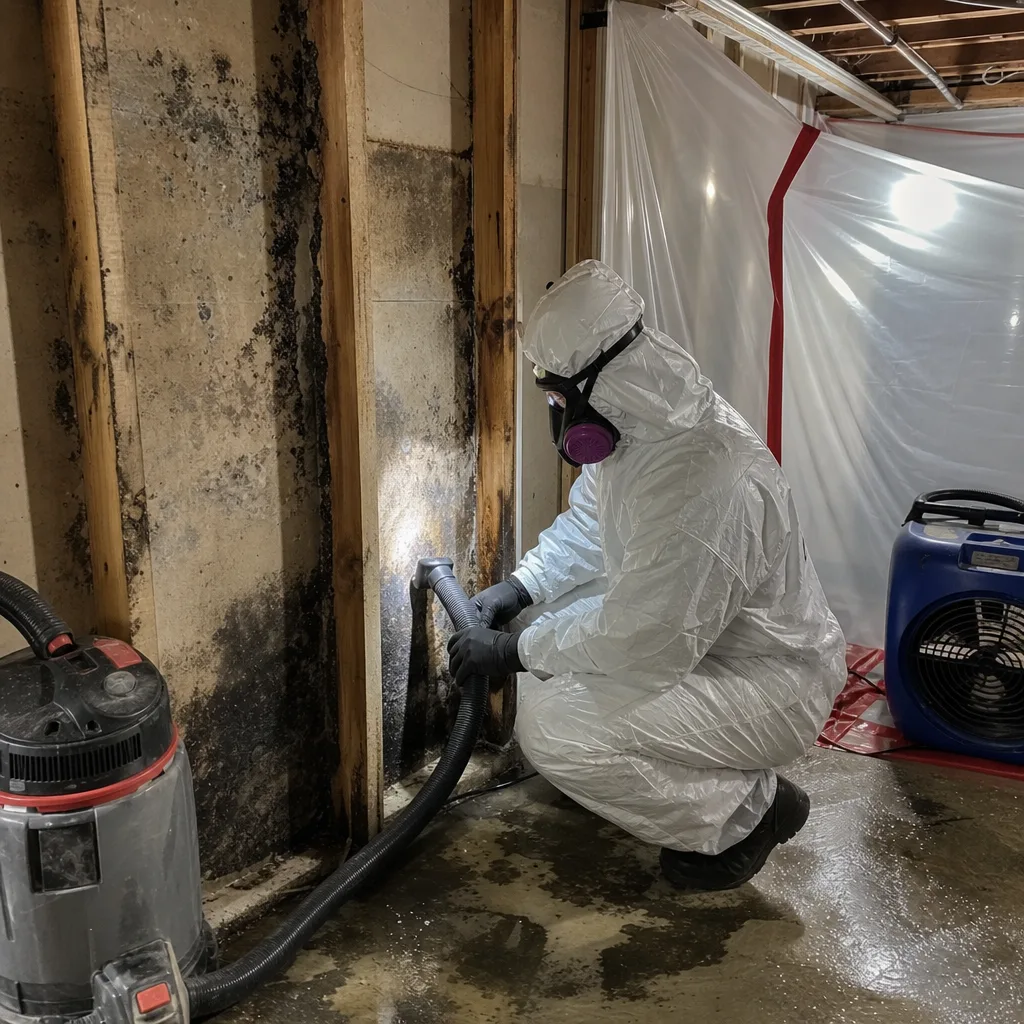
The written scope of work is the single most important document in any restoration project. It is not an estimate, not a proposal, not a work authorization - it is a line-item contract that specifies exactly what will be done, in what sequence, with what materials, at what unit prices, to what standard, with what documentation deliverables.
Haven Standard, Clause 1 is unambiguous: a written price before any work starts, every time, with no exceptions. This clause exists because we started this company after seeing the alternative. Alicia Brennan spent years as a claims adjuster reviewing restoration invoices that arrived 40% above the verbal quote, with no documentation to support the increase and no prior notice to the homeowner. The homeowner faced a choice: pay the difference or leave the job half-finished with exposed framing and no drying equipment.
A proper written scope for Pompano Beach restoration includes:
The scope is signed by both parties before work begins. Any field condition requiring modification - discovery of hidden mold, structural damage, asbestos-containing material - triggers a written amendment, also signed, before the additional work proceeds. No verbal authorizations are accepted. This protects the homeowner from scope creep and protects our technicians from working without authorization.
We offer a Free Second Opinion on any competitor’s written estimate. Bring us their scope and we’ll review it for completeness, IICRC standard compliance, and pricing reasonableness at no charge. We’ve found that roughly 30% of estimates we review omit required documentation deliverables, and 15% contain material classification errors that would affect insurance coverage.
Closing a Broward County Insurance Claim Without a Fight
Broward County processes more residential property insurance claims per capita than any Florida county except Miami-Dade, and the dispute rate is correspondingly high. The Florida Office of Insurance Regulation data shows that claim denials and underpayments drove the legislative response that produced SB 2D. Documentation is your defense.
The claim file that closes clean contains four elements:
Direct adjuster coordination accelerates this process. We provide photo documentation to adjusters in real time during active projects, not as a batch at invoicing. This allows questions to be resolved while conditions are still accessible, not months later when walls are closed and equipment is gone. Our project managers are trained in Xactimate, the standard insurance estimating platform, so our scopes speak the same language as adjuster estimates.
Pompano Beach homeowners should understand their specific policy provisions. Many policies issued after 2022 include mandatory mediation provisions and alternative dispute resolution requirements that affect how documentation is presented. The claim file that supports mediation is the same claim file that supports litigation, but mediation moves faster when the documentation is organized and complete from day one.
We’ve handled claims with Citizens Property Insurance, Universal Property & Casualty, Tower Hill, and numerous national carriers. Each has specific documentation preferences and audit triggers. We adapt our deliverable format to match, because a file that sits in an adjuster’s queue for format review is a file that delays payment.
The 365-Day Documentation Retention Rule
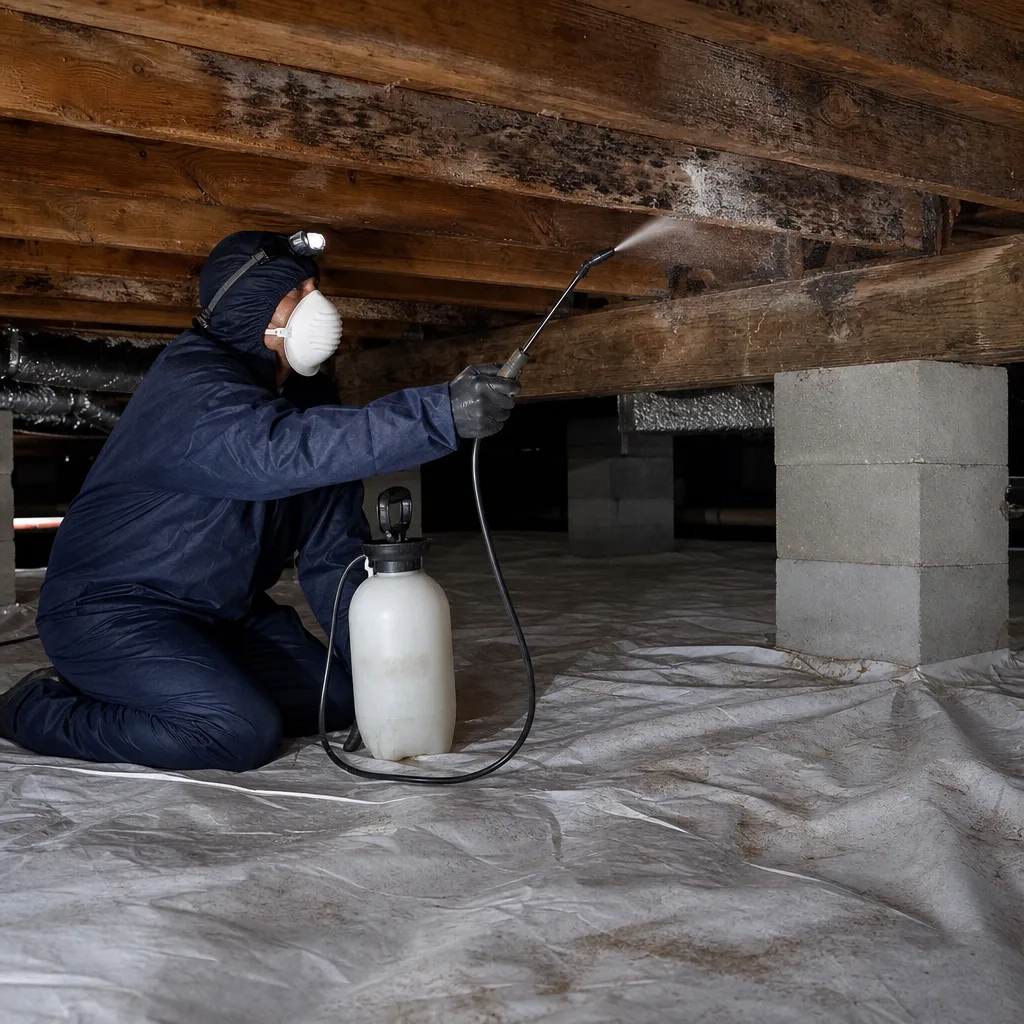
Restoration completion is not the end of documentation relevance. Florida’s climate and construction patterns create conditions where secondary damage can manifest months after project close, and the burden of proving causation falls on the homeowner.
We recommend retaining these records for a minimum of 365 days beyond project completion, and indefinitely for major structural or mold remediation work:
Pompano Beach’s specific risks that justify this retention include:
The 365-Day Done Right Promise is not merely a warranty; it is a documentation commitment. If secondary damage surfaces within that window and our records show the original work met standard, we coordinate with the homeowner’s insurer to determine coverage. If our records show a gap, we make it right under the Promise. But without records, there is no basis for either determination. We deliver the complete file to every homeowner at project close, and we maintain our archive for the full period.
Common Mistakes to Avoid
- Accepting a verbal quote or “ballpark” figure. In Pompano Beach’s competitive restoration market, some contractors lead with low verbal numbers to secure access, then invoice substantially higher. Haven Standard, Clause 1 exists to eliminate this practice; no written scope means no work starts.
- Failing to verify IICRC certification for the specific service. A firm may hold water damage certification but not mold remediation, or vice versa. Ask for the specific S500, S520, or S550 certificate numbers and verify through IICRC’s online directory.
- Ignoring humidity-specific equipment requirements. A contractor using residential-grade dehumidifiers in Pompano Beach summer conditions is not achieving IICRC dry standards, regardless of what they claim. Request equipment specifications and compare to Dri-Eaz, Phoenix, or equivalent professional-grade systems.
- Not photographing pre-existing conditions. Before any restoration work begins, document the undamaged areas of your home. We’ve seen adjusters attribute pre-existing wear to the loss event, and without photos, the homeowner cannot disprove the claim.
- Discarding documentation after insurance payment. The claim payment closes that file, but it doesn’t protect against future disputes about workmanship, secondary damage, or supplemental discovery. Retain records for the full 365-day minimum.
- Hiring based on speed of arrival alone. Emergency response matters for water mitigation, but reconstruction should never be rushed. A contractor who promises same-day rebuild for structural work is cutting documentation corners or using unpermitted labor.
When to Call a Professional
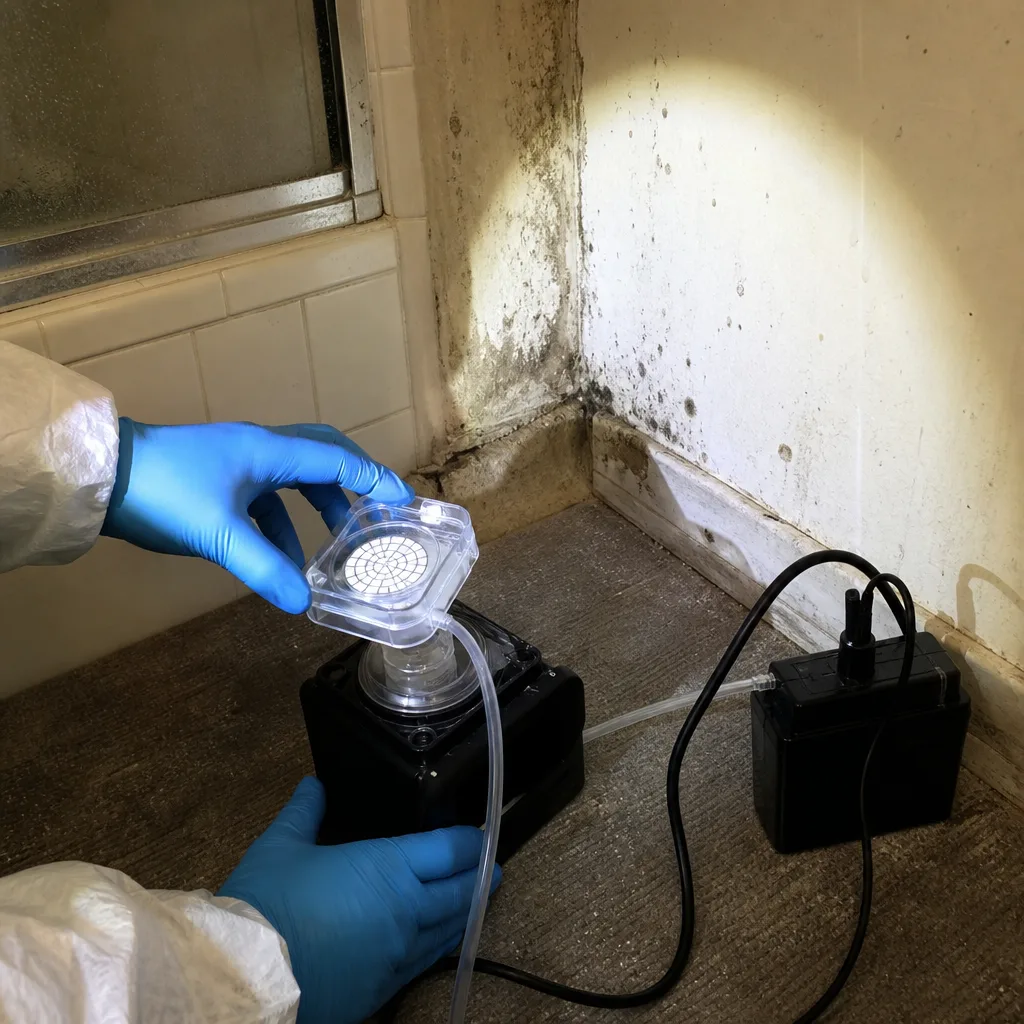
Call a restoration professional when water has affected more than a single small area and drying cannot be achieved with household ventilation within 24 hours; when mold is visible on more than 10 square feet or is accompanied by musty odor; when fire damage involves structural components, electrical systems, or HVAC contamination; when storm damage includes roof breach, window failure, or flooding; or when any damage involves sewage, chemicals, or biohazard materials. These scenarios require IICRC-standard documentation for insurance compliance and health safety.
DryMark Restoration Pompano Beach offers free estimates in Pompano Beach. A live person answers every call, 24 hours a day, 7 days a week, with no voicemail on emergency lines. Every estimate includes a written scope before any work begins, documented to IICRC, RIA, and IFA standards. Call (754) 238-0219.
Frequently Asked Questions
Water damage restoration in Pompano Beach typically ranges from $3,200 for a contained Class 1 drying job to $18,000+ for Class 4 flooding with structural drying and reconstruction; mold remediation runs $2,500-$8,500 for residential spaces depending on containment complexity and air handling requirements; fire and smoke restoration starts around $4,500 for limited kitchen or single-room damage and increases with structural involvement and content restoration needs. These ranges reflect Pompano Beach’s labor market and the prevalence of 1970s-1990s construction that requires additional care during material removal; see our detailed Damage Restoration Cost Breakdown: The Pompano Beach Homeowner’s Reference for 2026 for a fuller analysis. Every job is quoted in writing before work begins under Haven Standard, Clause 1. Call (754) 238-0219 for an exact quote - estimates are free.
Insurance coverage depends on your policy form, the cause of loss, and the documentation quality of your claim file. HO-3 and HO-5 policies typically cover sudden and accidental water damage, fire, and storm damage subject to your deductible, but exclude gradual leaks, maintenance issues, and most mold unless secondary to a covered water loss. The key to full payment is documentation that connects the damage to a covered peril, proves the restoration met IICRC standards, and demonstrates that charges were reasonable and necessary. Homeowners should also review Damage Restoration Permits, Codes & Inspections in FL: What You Need to Know to ensure compliance at every stage. We provide the daily drying logs, photo records, and completion reports that close claims without dispute. Call (754) 238-0219 to review your specific situation.
For water mitigation emergencies, we dispatch background-checked, uniformed technicians with documented license verification within our committed response window, 24 hours a day, 7 days a week. Reconstruction and non-emergency remediation are scheduled after written scope approval, typically within 48-72 hours. Pompano Beach’s road network allows efficient access from I-95, Florida’s Turnpike, and Federal Highway to all neighborhoods, though beachside access may be restricted during active storm events. The critical factor is not arrival speed but documentation commencement: moisture readings and photo records should begin before equipment placement, not after. Call (754) 238-0219 for current availability.
Visible mold growth exceeding 10 square feet, mold in HVAC systems, or mold resulting from Category 2 or 3 water damage requires professional remediation under IICRC S520 for health and insurance reasons. DIY cleaning with bleach or consumer products does not address root systems in porous materials and typically worsens spore dispersal. In Pompano Beach’s humidity, incomplete remediation virtually guarantees recurrence. More critically, insurers require documented professional remediation with laboratory verification to cover mold-related claims; self-performed work is excluded. We provide independent laboratory chain-of-custody documentation and post-remediation verification as standard deliverables. Call (754) 238-0219 for assessment.
Our project managers coordinate directly with adjusters, providing real-time photo documentation, Xactimate-compatible scopes, and technical justification for equipment and methodology decisions. You remain the policyholder and must authorize all work and payment arrangements, but we handle the documentation burden that adjusters require for payment. This includes attending adjuster inspections when requested, providing supplemental documentation for disputed line items, and maintaining the claim file that supports mediation or appraisal if needed. We’ve worked with every major carrier in Florida and understand their specific documentation preferences. Call (754) 238-0219 to discuss your claim.
Pompano Beach’s restoration challenges stem from three factors: the high concentration of 1970s-1990s construction with original cast-iron plumbing, stucco-over-block exteriors, and flat or low-slope roofing; proximity to the Intracoastal and Atlantic creating saltwater exposure and high water table conditions; and subtropical humidity that prevents passive drying and accelerates mold growth. These conditions mean moisture intrusion patterns are often more extensive than visible damage suggests, and documentation must account for material-specific behaviors like block cavity wicking and slab joint hydrostatic pressure. Contractors unfamiliar with local construction methods frequently underestimate scope and under-document conditions. Call (754) 238-0219 for a locally experienced assessment.
The Bottom Line
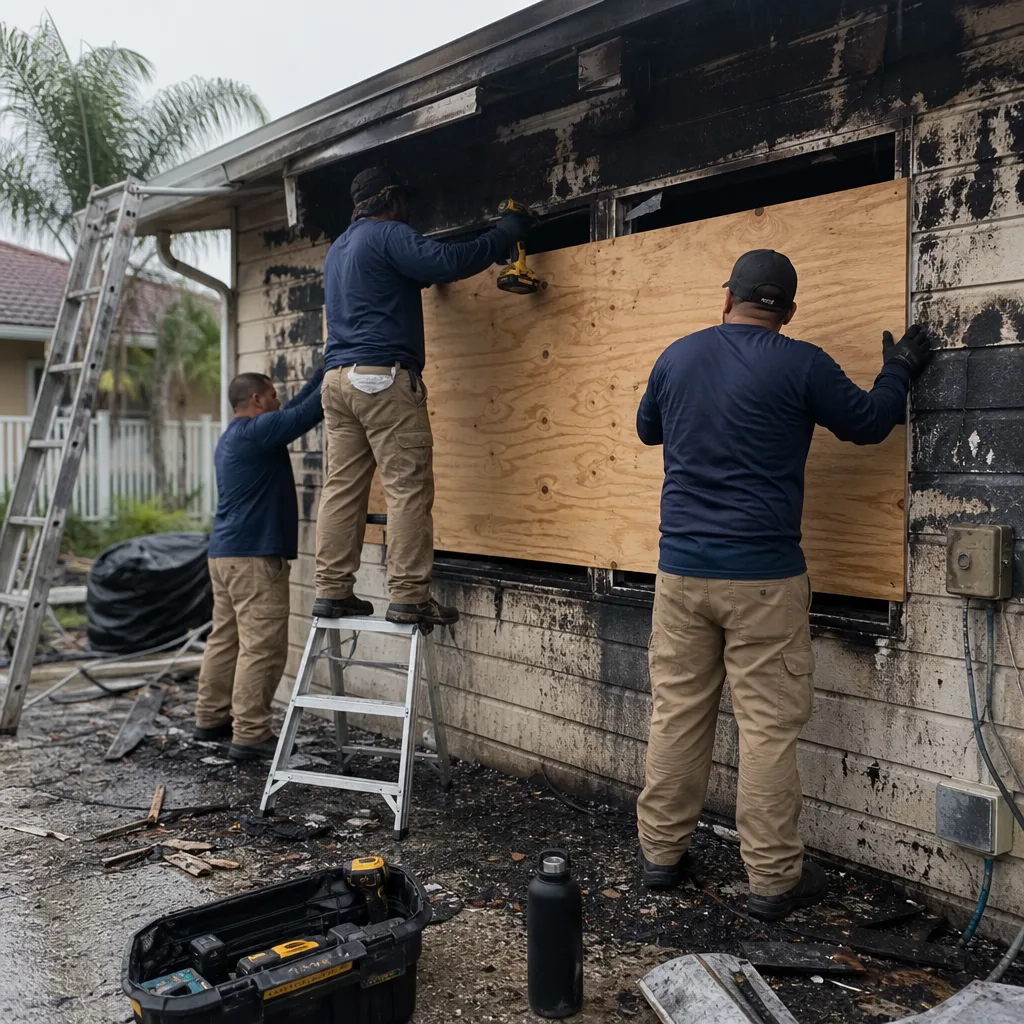
Damage restoration in Pompano Beach succeeds or fails on documentation, not demolition skill alone. The homeowner who receives a written scope before work begins, daily drying logs with psychrometric data, photo records on every visit, and a completion report with IICRC standard references holds a claim file that insurers pay without fight. The homeowner who accepts verbal promises and signs blank work authorizations holds a dispute waiting to happen. At DryMark Restoration Pompano Beach, every job since 2011 has operated under The Haven Standard: written price before work starts, documented evidence on every visit, and a 365-Day Done Right Promise that means something because the records exist to support it. If you’re facing damage and want the paperwork done right from day one, call (754) 238-0219. Estimates are free, the scope is written, and a live person answers.
Written by Alicia Brennan, Owner at DryMark Restoration Pompano Beach, serving Pompano Beach since 2011.