
Last updated September 23, 2026
Free visual inspection and a written scope of work before any mitigation begins - photos, moisture readings, and drying logs go in your claim file
The scope we write is the scope we bill. Anything new gets shown to you, in writing, before we touch it.
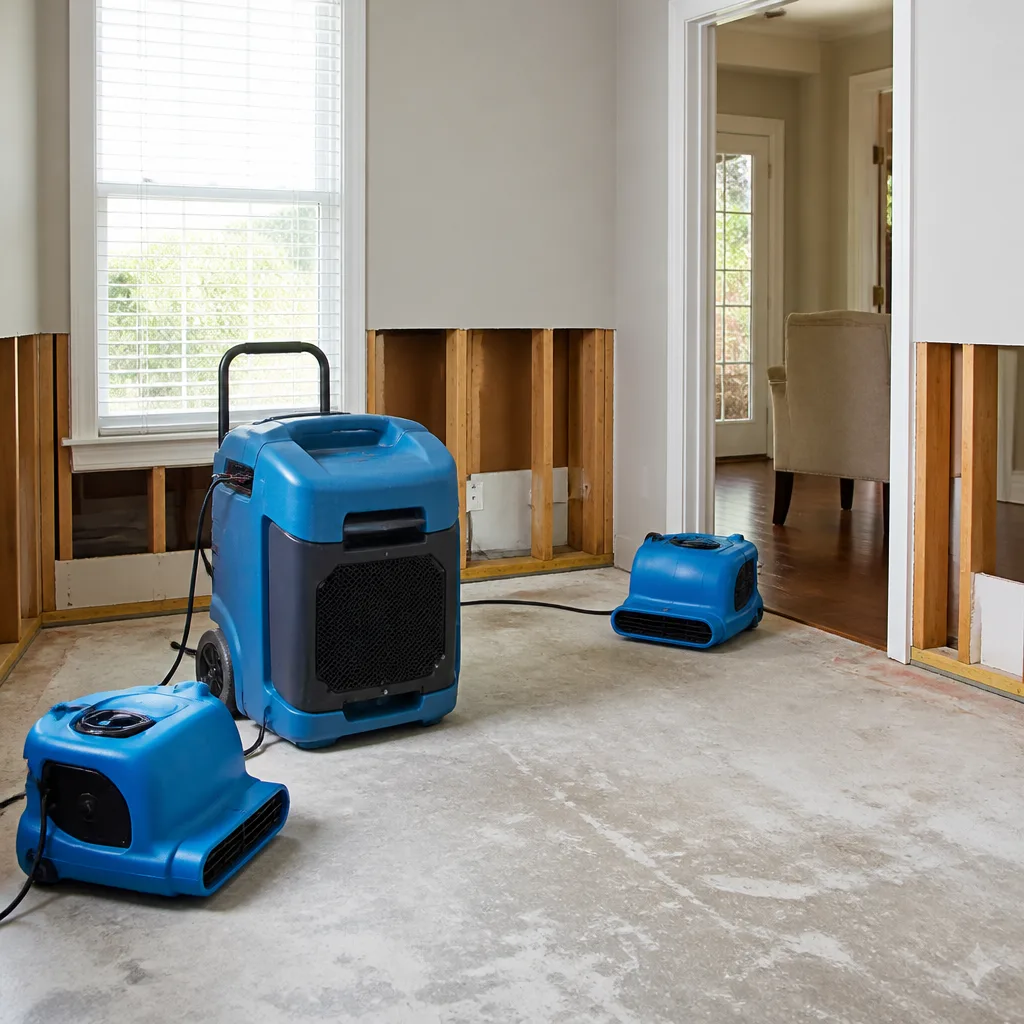

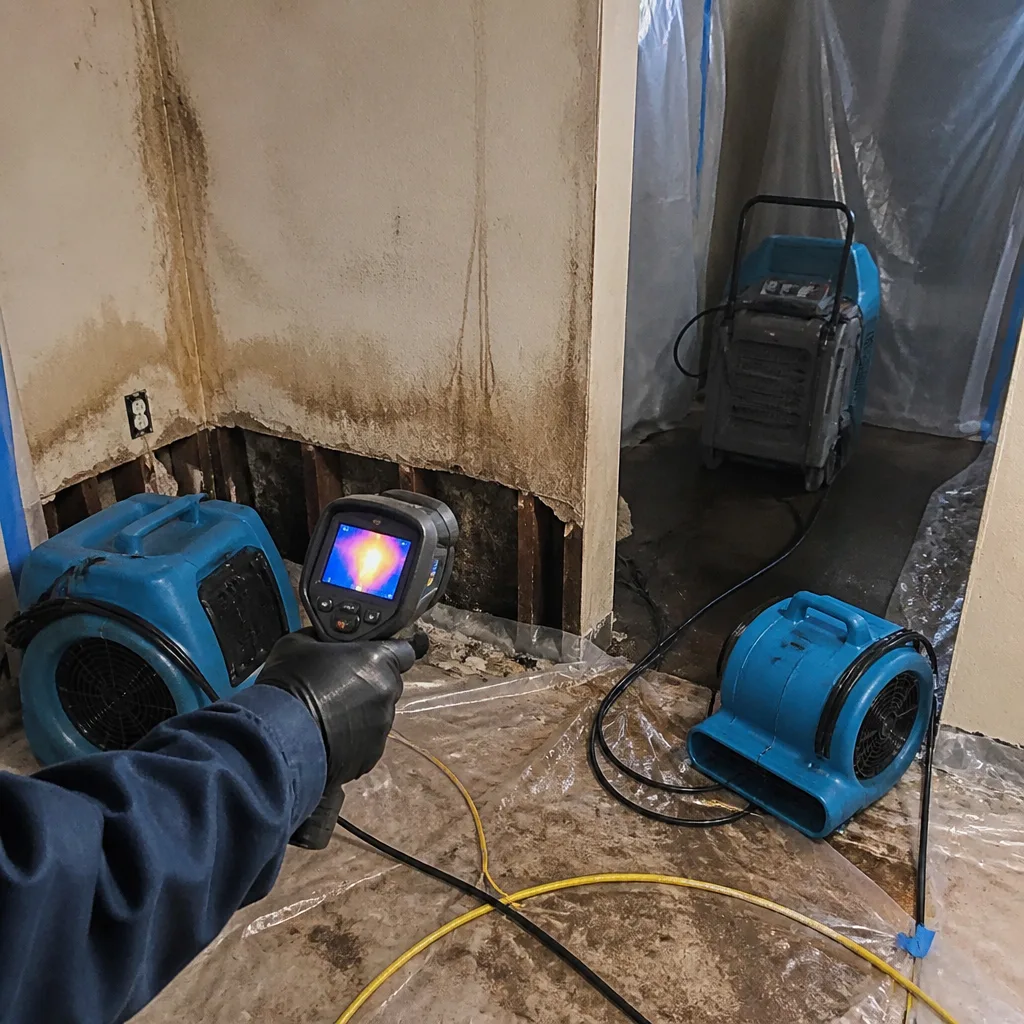 Before
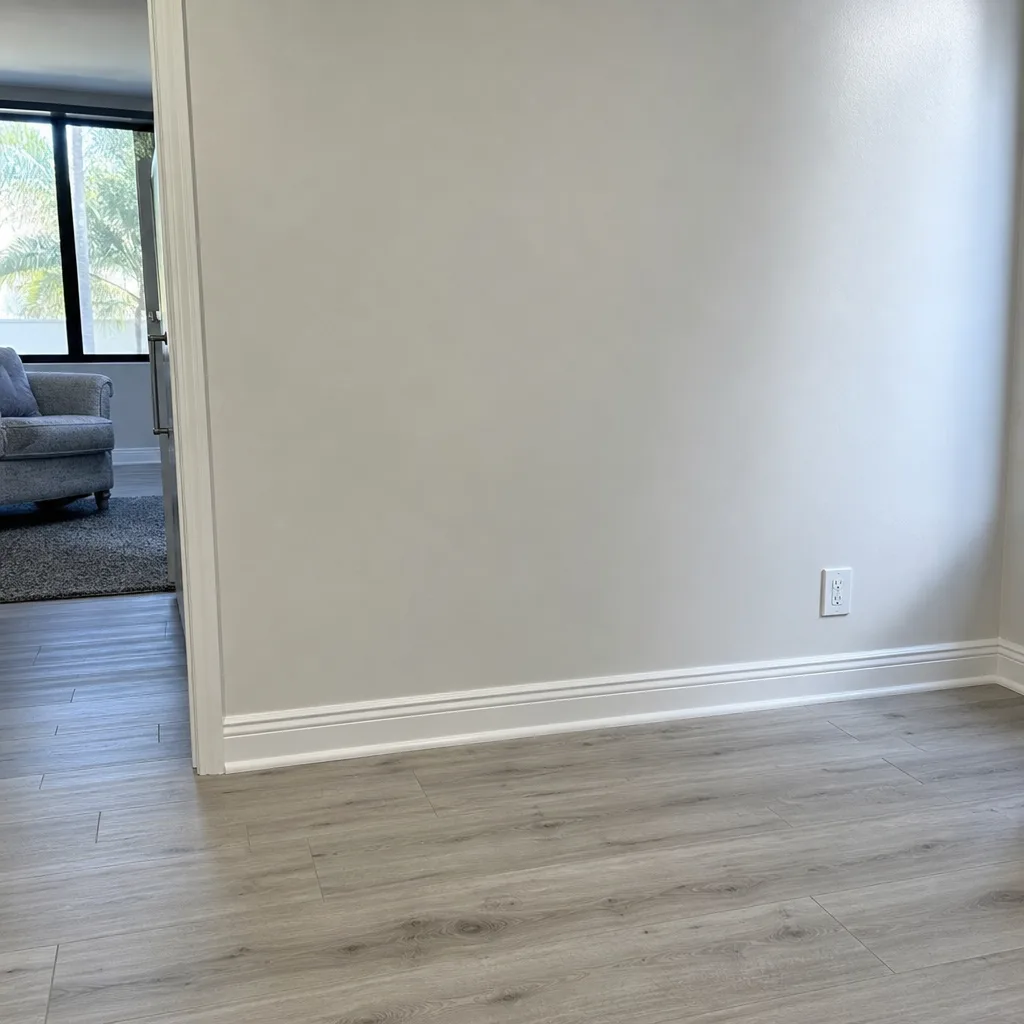 After
After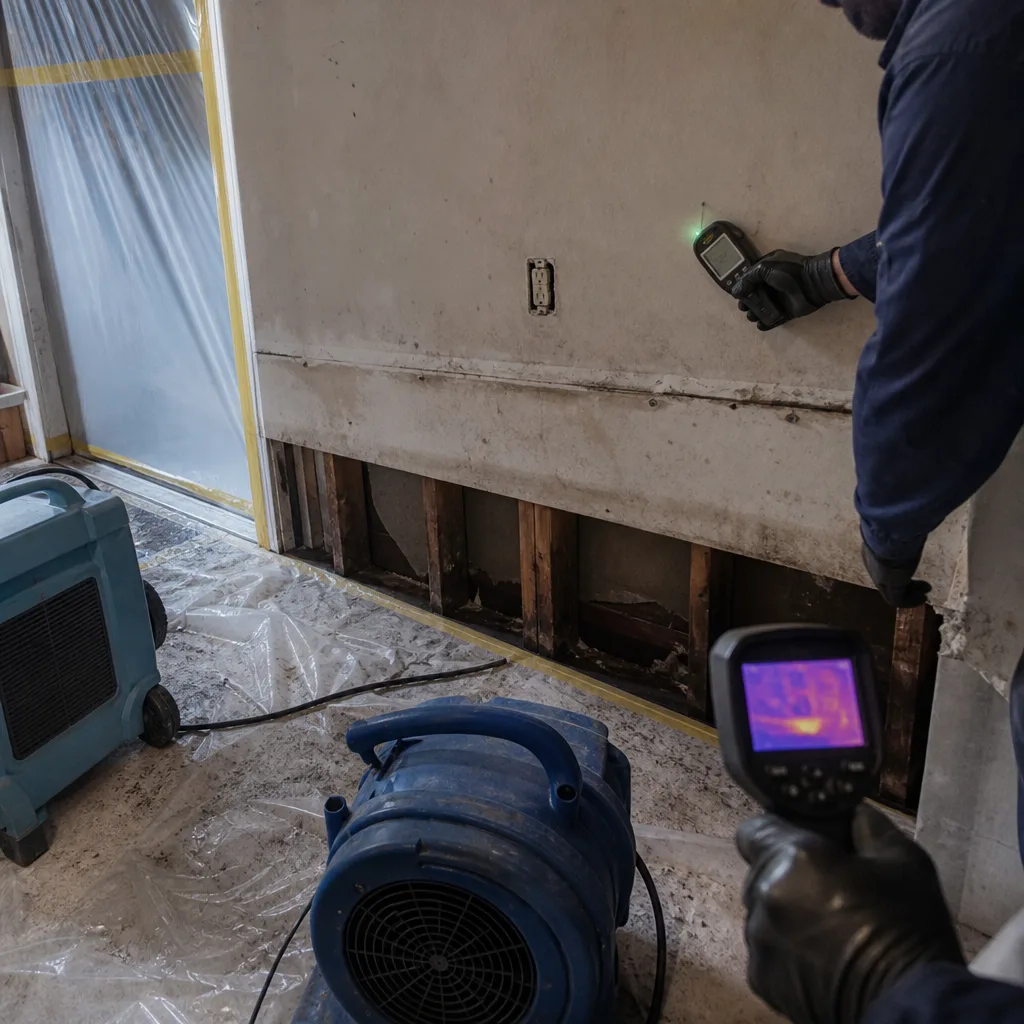 Before
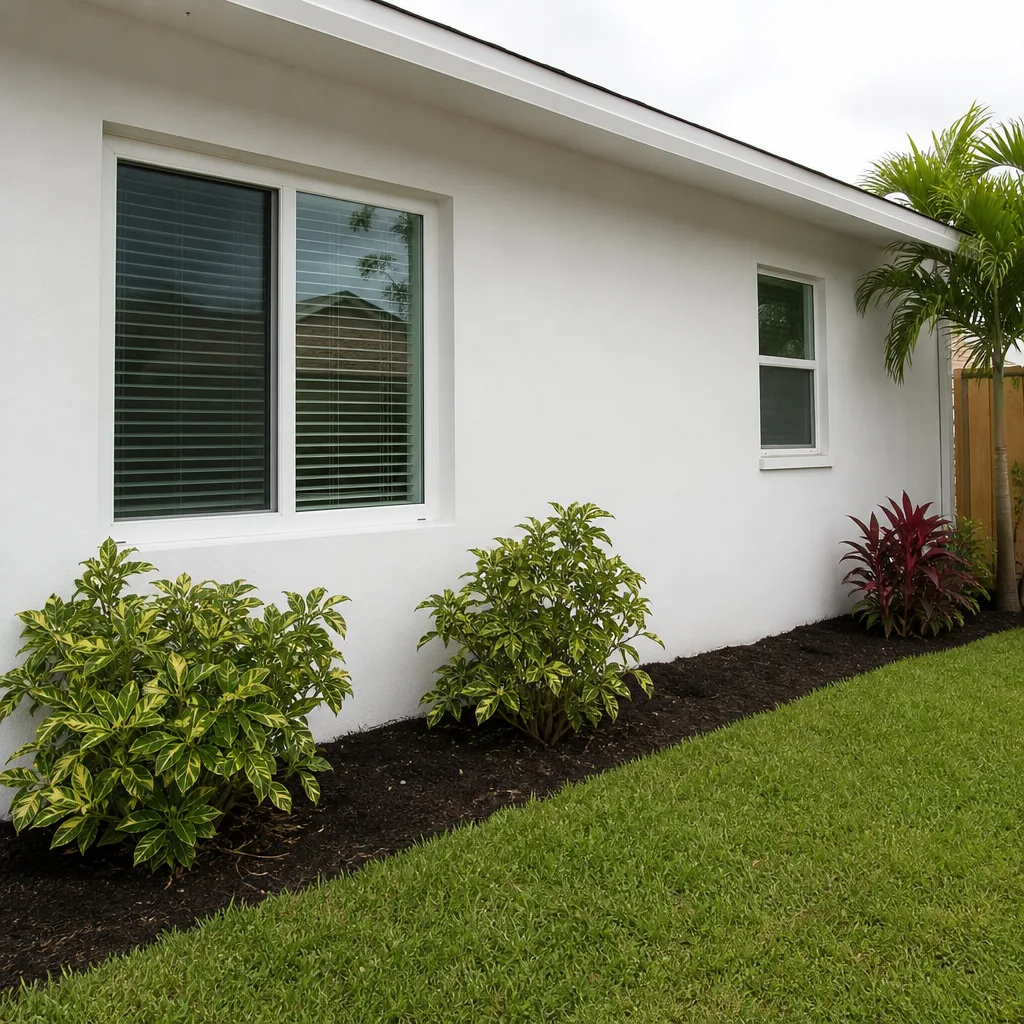 After
After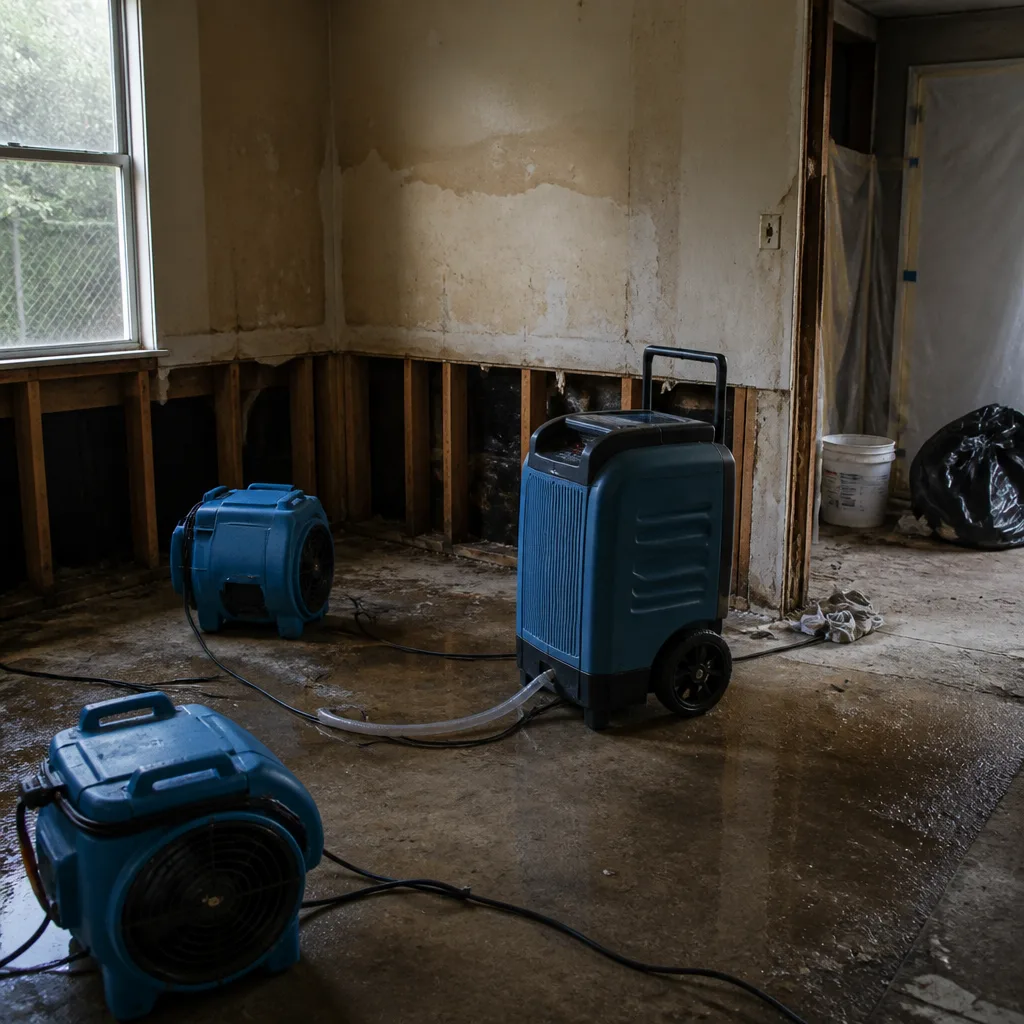 Before
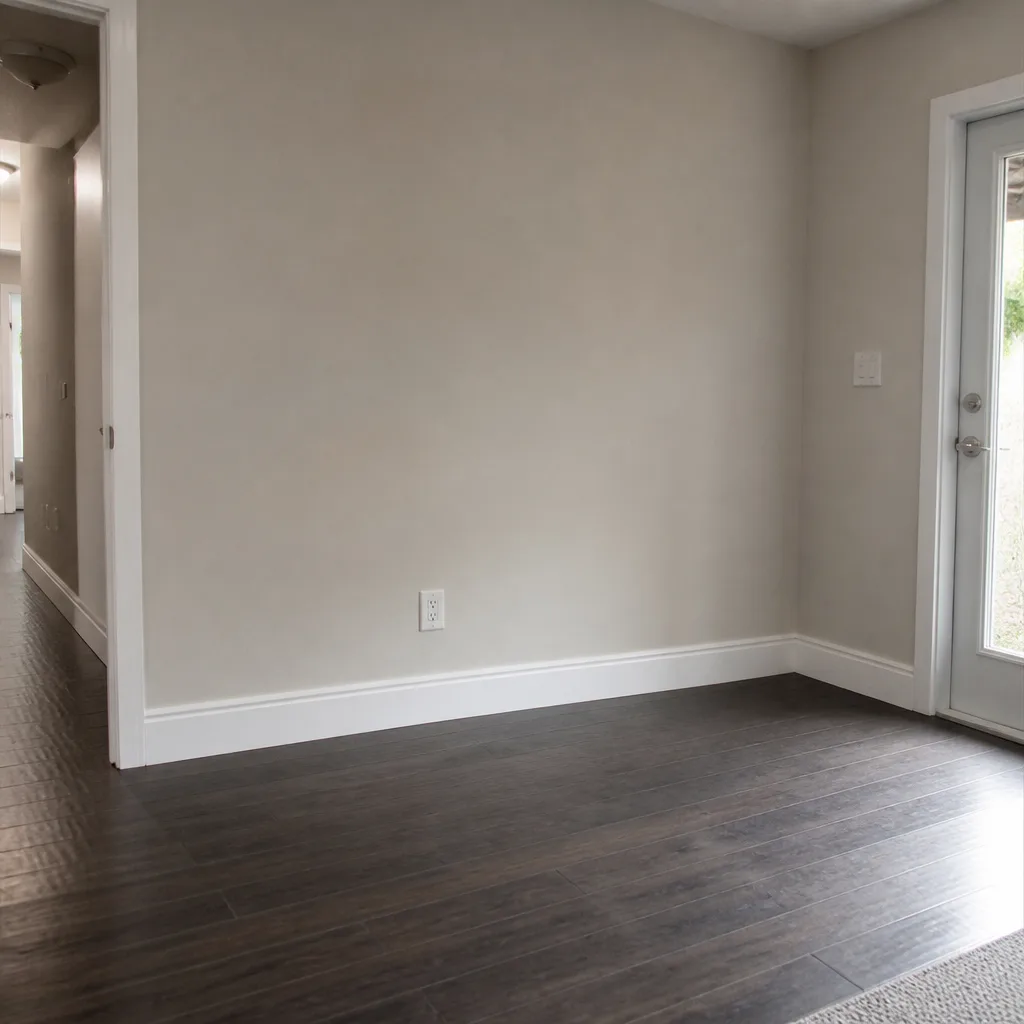 After
AfterWater Damage Restoration Maintenance Checklist for Pompano Beach Homeowners
Florida insurers denied more than 200,000 water damage claims in 2023, and the single most common reason was “gradual deterioration” - damage the insurer argued a reasonable homeowner should have caught earlier. In Pompano Beach, where relative humidity hovers between 74% and 82% year-round, that argument works because most homeowners have no dated record proving their property was dry at any specific point in time. This guide gives you a maintenance checklist structured around what an adjuster will actually accept as evidence: a written log with moisture readings, photos, and equipment specifications. Follow it, and you turn a potential “pre-existing condition” denial into a payable claim.
Quick Answer
A proper water damage restoration maintenance checklist for Pompano Beach homeowners includes monthly visual inspections of high-risk zones, quarterly moisture meter readings with documented %WME values, annual A/C condensate and roof drainage checks, and a written log with dated photos that an insurer can verify. The critical threshold: any reading above 16% WME in wood framing or 12% WME in drywall requires professional assessment within 48 hours, because Florida’s humidity accelerates mold colonization to 24-48 hours.
Table of Contents
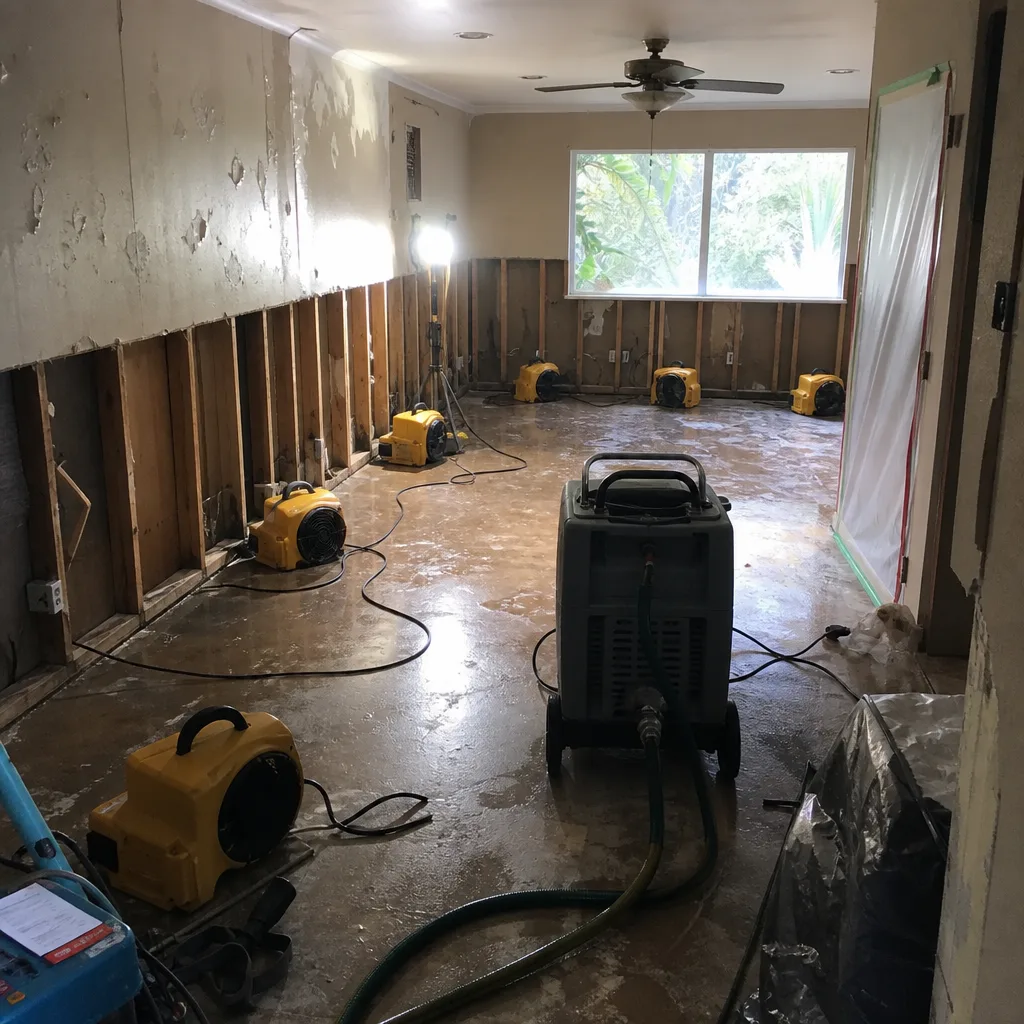
- Why Documentation Beats Detectors in Pompano Beach
- Monthly Inspection Sequence: Room by Room
- Moisture Reading Thresholds That Matter in South Florida Humidity
- Annual Maintenance Tasks That Void Policy Exclusions If Left Undone
- Photographing and Dating Inspection Results for Adjuster Acceptance
- The Six-Field Log Template Adjusters Look For
- Equipment and Standards: What Your Documentation Must Reference
- Common Mistakes to Avoid
- When to Call a Professional
- Frequently Asked Questions
- The Bottom Line
 Before
 After
AfterWhy Documentation Beats Detectors in Pompano Beach
Moisture detectors, smart water shutoffs, and humidity sensors are useful tools. They are not evidence. When a Florida insurer denies a water damage claim, the denial letter will cite policy language about “failure to maintain” or “gradual damage not caused by a sudden and accidental event.” A beeping sensor proves nothing about what you knew and when. A written log with dated moisture readings and photographs proves you exercised due diligence.
We’ve seen this distinction determine claim outcomes in Pompano Beach homes from Old Pompano to the Intracoastal Waterway corridor. A homeowner in Harbor Village produced a 14-month inspection log with quarterly %WME readings from a Delmhorst BD-2100, all photos timestamped with GPS metadata. The insurer paid $47,000 for slab leak remediation. A neighbor three doors down, with the same damage pattern and the same policy, had only a receipt for a Ring flood sensor. Denied. The difference was documentation with a chain of custody.
The Haven Standard, which governs every job we perform, requires six documentation fields before any work begins: date, inspector name, moisture meter model, reading location, %WME value, and photo reference number. This is not proprietary to our company. It is the same standard Florida adjusters use to verify maintenance records. Homeowners who adopt it themselves gain the same evidentiary standing.
Pompano Beach’s specific risk profile makes documentation especially critical. The city sits on a coastal ridge with high water tables, extensive slab-on-grade construction, and a building stock that ranges from 1950s concrete block to 2020s engineered wood framing. Each era fails differently. Older homes near the Pompano Beach Pier show salt-air corrosion of copper lines. Newer construction in Palm Aire develops condensate drain failures from oversized A/C units short-cycling in humidity. A generic checklist ignores these patterns. A documented inspection log captures them as they emerge.
Monthly Inspection Sequence: Room by Room
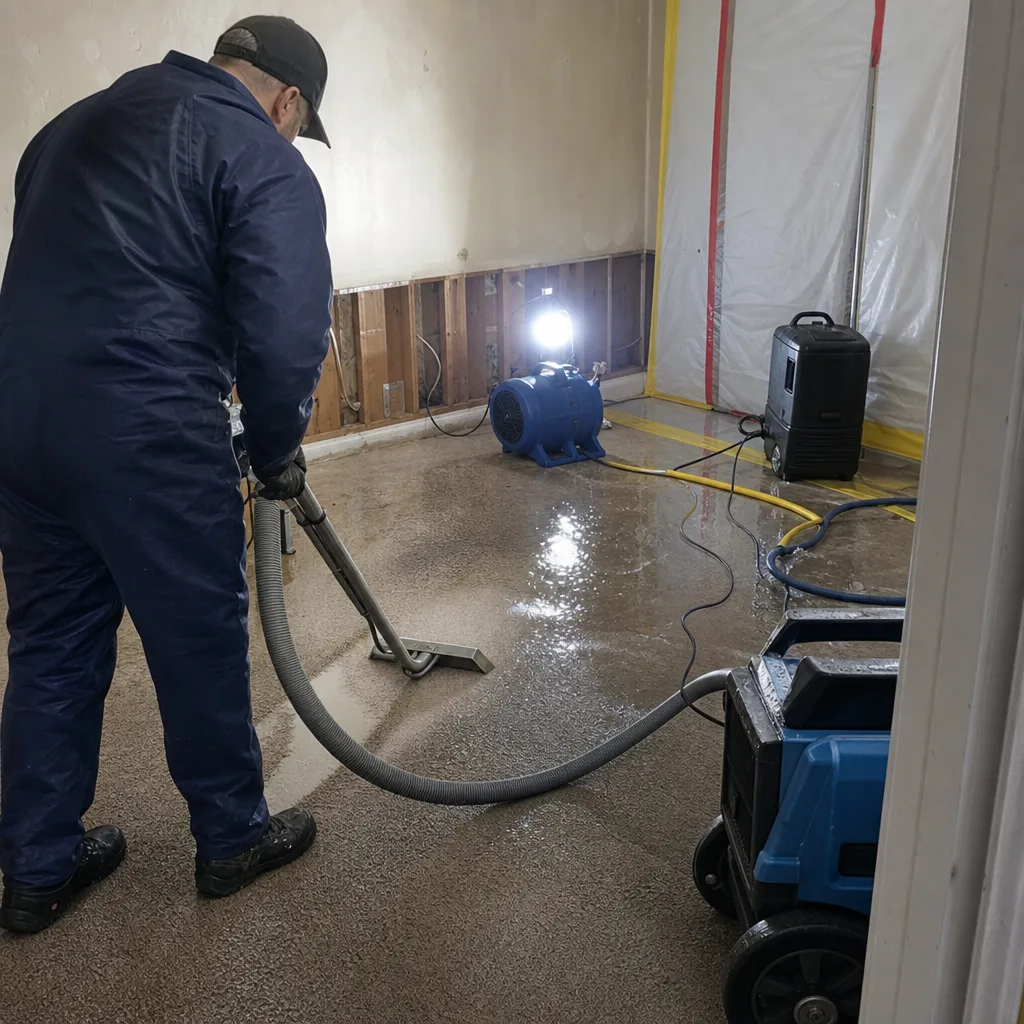
Inspection without sequence wastes time and misses connections. Water travels horizontally in South Florida homes more than vertically, because slab-on-grade construction and flat roof designs create lateral pathways that defy intuition. Follow this order monthly, spending approximately 20 minutes.
Exterior Perimeter and Roof (5 minutes)
- Walk the slab perimeter with a flashlight angled low to catch surface sheen. In Pompano Beach’s sandy soils, slab edge dampness often indicates irrigation misalignment rather than plumbing failure. Note any efflorescence (white mineral deposits) on block walls - this documents vapor migration, not bulk water, but both matter to insurers.
- Check flat roof drains and scuppers for leaf accumulation, especially after the May-October rainy season. Pompano Beach’s banyan and ficus trees shed heavily; a clogged drain on a 1,200-square-foot flat roof can hold 750 gallons of standing water.
- Inspect soffit vents for discoloration or warping. These are the first indicator of attic moisture buildup in Florida’s coastal humidity.
Attic or Roof Cavity (3 minutes if accessible)
- Photograph rafter ends and sheathing from the access hatch. Look for darkening of plywood grain, not just obvious staining. Florida’s high vapor pressure means sheathing can reach 18% WME before visible mold appears.
- Verify bathroom and kitchen exhaust ducts terminate at exterior vents, not into attic space. This is a code violation in Broward County but common in 1970s-1990s construction throughout Pompano Beach.
Kitchen and Laundry (4 minutes)
- Run water in the sink and observe cabinet base while drain flows. Slow drainage often precedes visible leaks by weeks.
- Pull refrigerator forward to inspect icemaker line. Braided stainless lines fail at the compression fitting; plastic lines fail mid-run from vibration fatigue.
- Check washing machine supply hoses for blistering. Replace every five years regardless of appearance - this is the single most common source of catastrophic water loss in Pompano Beach single-family homes.
Bathrooms (4 minutes each)
- Grout and caulk perimeter of tub/shower. Any separation wider than 1/16 inch allows bulk water behind tile. In Florida’s humidity, this water does not dry; it migrates to adjacent drywall.
- Test toilet seal by pressing at base perimeter. Movement indicates wax ring degradation, common in homes with seasonal occupancy patterns like Pompano Beach’s snowbird population.
- Run exhaust fan and time to mirror clearing. More than 10 minutes indicates inadequate ventilation, a maintenance obligation under most Florida HO-3 policies.
HVAC Closet and Condensate Lines (4 minutes)
- Locate primary and secondary condensate drains. Primary should flow freely during A/C operation; secondary (the emergency pan drain) should be dry. Water in the emergency pan is a documented maintenance failure.
- Check condensate pump if installed. These fail silently; a $45 pump failure causes $15,000+ of damage in a weekend.
- Note any rust on air handler cabinet. This indicates chronic condensation, often from low refrigerant charge causing evaporator to run below dew point.
Moisture Reading Thresholds That Matter in South Florida Humidity
Pinless moisture meters measure %WME (percent wood moisture equivalent), a standardized scale that allows comparison across materials and time. In Pompano Beach’s climate, normal readings differ from national averages because ambient humidity keeps baseline levels elevated.
| Material | Normal Range (Pompano Beach) | Elevated - Monitor Weekly | Critical - Professional Assessment Within 48 Hours |
|---|---|---|---|
| Solid wood framing (pine, fir) | 10-14% WME | 14-16% WME | Above 16% WME |
| Engineered wood (LVL, OSB, plywood) | 8-12% WME | 12-14% WME | Above 14% WME |
| Drywall (paper-faced) | 7-10% WME | 10-12% WME | Above 12% WME |
| Concrete slab (surface) | 3.5-5% WME | 5-7% WME | Above 7% WME |
| Ceramic tile (grout line) | 8-11% WME | 11-14% WME | Above 14% WME |
These thresholds assume interior conditions of 72-76°F and 55-65% relative humidity. Pompano Beach homes without dehumidification in summer may run 70-75% RH, pushing all baselines up 1-2 points. The key is trend, not single reading. A bathroom drywall reading of 11% WME in January that reads 13% in March indicates an active moisture source, even if both values are below the critical threshold.
Psychrometric data - temperature, relative humidity, and vapor pressure differential - should accompany every reading set. Vapor pressure differential, or VPD, measures the force driving moisture from wet to dry areas. In Pompano Beach’s climate, a negative VPD (higher vapor pressure outside than inside) means your air-conditioned interior is actually pulling moisture inward through walls. This is normal June through October. Documenting it proves you understand your building’s seasonal behavior, a powerful counter to “failure to maintain” arguments.
For homeowners without a professional-grade meter, we recommend the Delmhorst BD-2100 or Protimeter Surveymaster. Both read %WME directly and store calibration certificates. Cheaper meters reading “moisture content” on an arbitrary 0-100 scale produce numbers adjusters dismiss. The $200-$400 meter difference can determine a $40,000 claim.
Annual Maintenance Tasks That Void Policy Exclusions If Left Undone
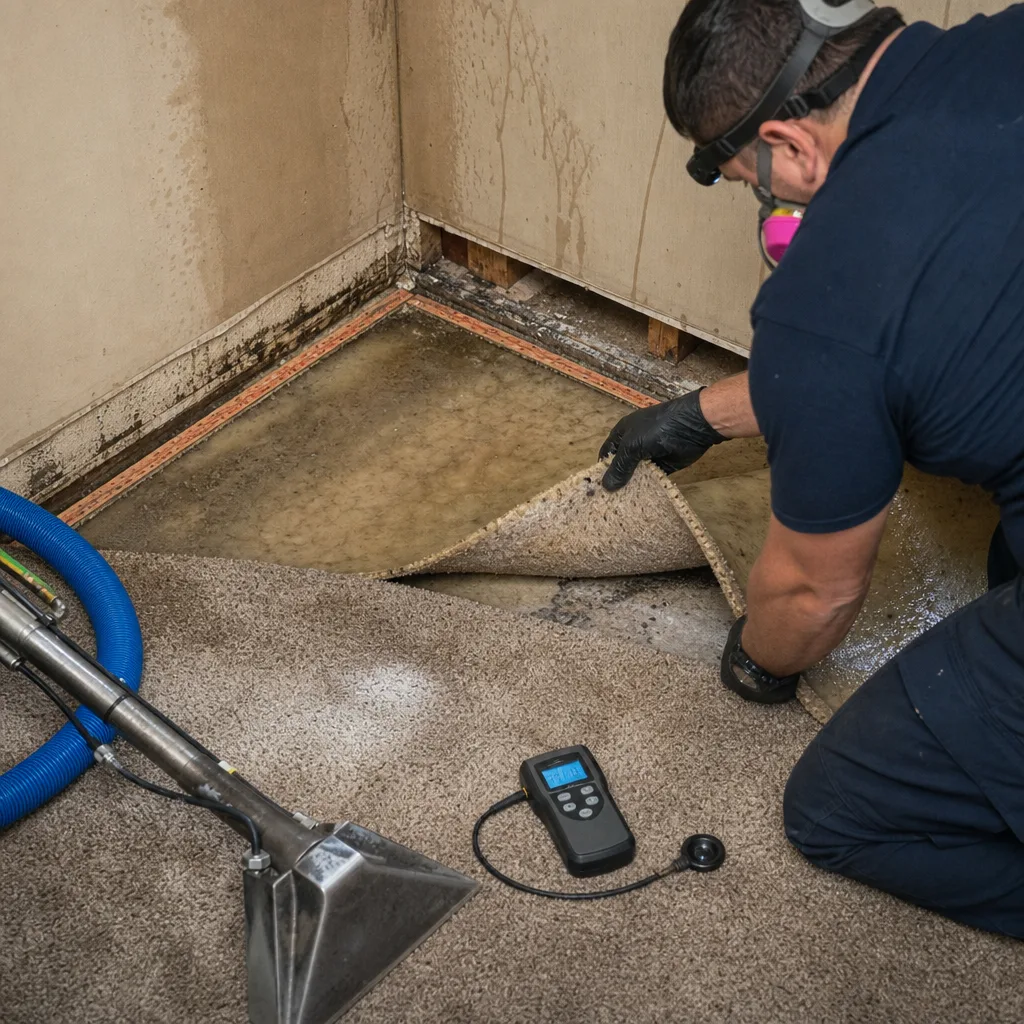
Florida homeowner policies contain specific maintenance exclusions that insurers invoke regularly. The following tasks, documented annually, directly counter those exclusions.
Roof and Drainage Systems
Policy language to watch: “Damage caused by wear, tear, or gradual deterioration of the roof covering.” Annual documentation must show: (1) shingle or membrane condition with date-stamped photos, (2) gutter and downspout functionality during rainfall, (3) flat roof drain flow rate (time to empty a 5-gallon bucket poured at drain). In Pompano Beach, flat roof recoating every 5-7 years is industry standard; failure to recoat is routinely cited as maintenance neglect.
Plumbing Pressure Test
Policy language to watch: “Damage from plumbing system failure due to corrosion, age, or lack of maintenance.” A licensed plumber’s pressure test, documented with PSI readings at main and branch lines, proves system integrity at a specific date. Cost in Pompano Beach: $180-$320. Compare to average slab leak claim: $18,000-$45,000.
HVAC Condensate Maintenance
Policy language to watch: “Damage caused by overflow of appliances or systems not maintained in good working order.” Annual condensate line flush with nitrogen or water jet, plus pan inspection, satisfies this. Document the technician’s name, license number, and scope. Most Pompano Beach HVAC contractors bundle this with seasonal service at $150-$220.
Water Heater Inspection
Policy language to watch: “Damage from tank failure due to age, rust, or sediment accumulation.” Florida’s hard water and high mineral content accelerate tank degradation. Annual drain-and-flush with anode rod inspection, photographed, is standard maintenance. Tanks over 10 years require replacement documentation or explicit insurer acknowledgment of continued use.
Window and Door Seal Inspection
Policy language to watch: “Damage from wind-driven rain entering through openings not properly sealed.” South Florida’s wind-borne debris code (post-Andrew) requires specific seal performance. Annual inspection of weatherstripping, caulk continuity, and frame weep hole function protects against this exclusion. Pompano Beach’s salt air degrades aluminum frame seals faster than inland Florida; every 18-24 month replacement is typical for coastal exposure.
Landscape and Irrigation Adjustment
Policy language to watch: “Damage from surface water or subsurface water, including water which backs up through sewers or drains.” Poor grading and irrigation overspray direct water toward foundations. Annual documentation of positive slope away from structure (minimum 6 inches over 10 feet), with sprinkler head adjustment to avoid wetting walls, counters this exclusion. Pompano Beach’s sandy soils make this especially important; water percolates quickly to slab level.
Photographing and Dating Inspection Results for Adjuster Acceptance
Photos without metadata are opinions. Adjusters require verifiable documentation with chain of custody. Follow this protocol for every inspection.
- Use a camera with automatic timestamp and GPS. Smartphone photos are acceptable if location services are enabled and timestamp is visible. Professional adjusters prefer EXIF data that cannot be easily altered. Apps like Timestamp Camera or Solocator embed this information visibly on the image.
- Include a scale reference. A ruler, coin, or known object in frame establishes size for later reference. This matters when documenting crack progression, stain expansion, or material degradation.
- Shoot the same angle every time. Consistency allows comparison. Create a simple shot list: wide context, medium detail, close-up of concern area. Repeat this sequence at each location, each inspection.
- Photograph the moisture meter in frame with the reading visible. This links the numeric value to the specific location. A photo of a wall with a meter showing 18% WME is stronger evidence than a written note saying “wall was wet.”
- Upload to cloud storage with automatic backup within 24 hours. Local-only storage risks loss. Google Photos, iCloud, or Dropbox with date-organized folders preserves the record. Print a quarterly summary and store off-site for catastrophic loss scenarios.
- Name files systematically: YYYY-MM-DD_Location_Description_SequenceNumber. Example: 2024-03-15_KitchenSink_CabinetBase_01.jpg. This naming convention allows instant retrieval and proves organizational diligence.
In Pompano Beach’s claims environment, where Citizens Property Insurance and Florida Peninsula handle significant market share, adjusters are trained to scrutinize maintenance records for fabrication indicators. Inconsistent timestamps, identical photos across dates, or generic file names trigger suspicion. The homeowner who documents methodically gains credibility that accelerates claim processing.
The Six-Field Log Template Adjusters Look For
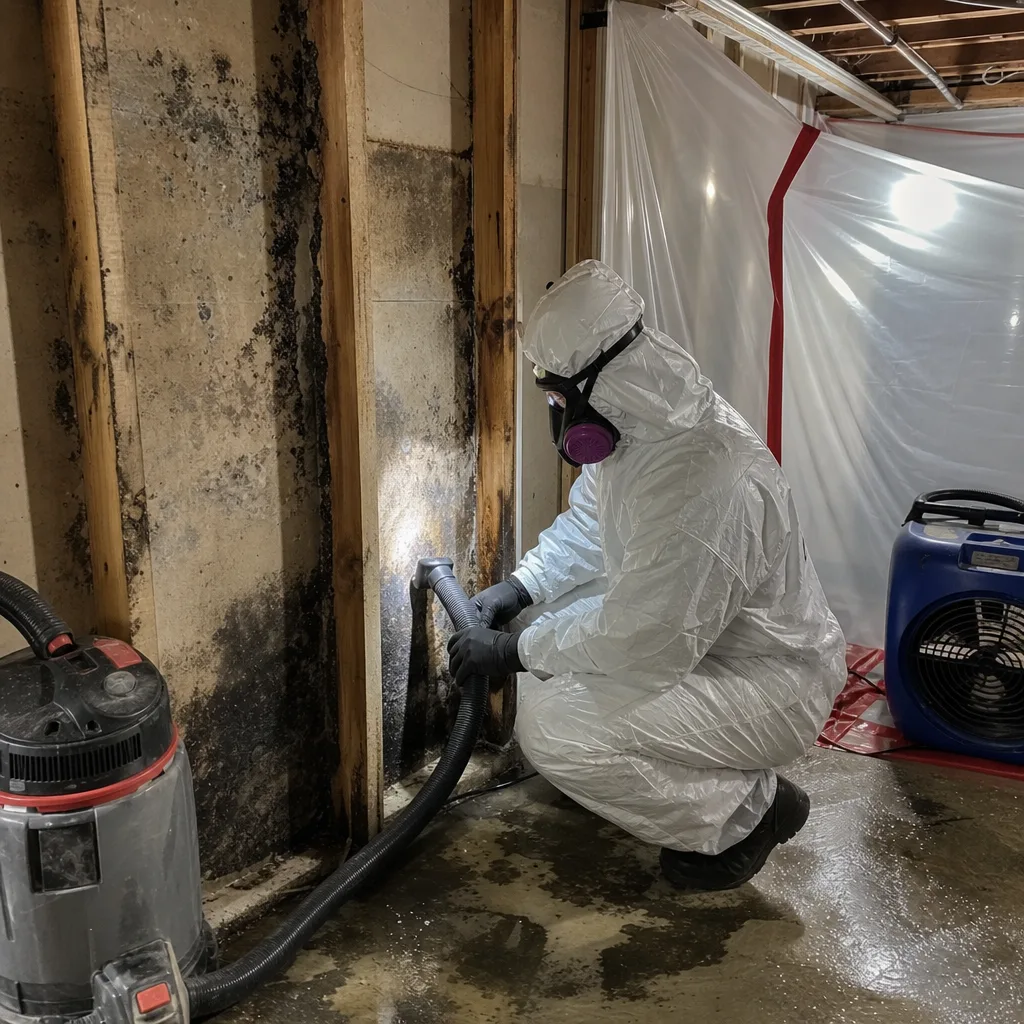
Every entry in your maintenance log must contain these six fields. Omit any, and an adjuster may reject the record as incomplete.
| Field | Content Standard | Example |
|---|---|---|
| 1. Date | Full date, no abbreviations | March 15, 2024 |
| 2. Inspector Name | Full name, relationship to property | James Chen, homeowner |
| 3. Moisture Meter Model | Manufacturer and model number | Delmhorst BD-2100, S/N 445892 |
| 4. Reading Location | Room, surface, specific point | Kitchen, north cabinet base, left of sink trap |
| 5. %WME Value | Numeric reading with unit | 11.2% WME |
| 6. Photo Reference Number | File name or archive location | 2024-03-15_KitchenSink_CabinetBase_01.jpg |
Additional fields that strengthen the record: interior temperature, relative humidity, vapor pressure differential, weather conditions, and any corrective action taken. These are not required but demonstrate professional-grade diligence.
We provide a blank log template in PDF format to any Pompano Beach homeowner who requests it. The format mirrors our own daily drying logs, which have supported thousands of insurance claims without dispute. Consistency between homeowner maintenance records and professional restoration documentation creates a seamless evidence chain.
Equipment and Standards: What Your Documentation Must Reference
Your inspection is only as credible as your equipment. Adjusters and opposing experts will challenge instruments that lack calibration documentation or recognized standards compliance.
For moisture measurement, reference IICRC S500 (Standard and Reference Guide for Professional Water Damage Restoration) and RIA guidelines. These specify pinless meter accuracy requirements and calibration intervals. A meter calibrated within 12 months, with certificate available, meets the standard. A $30 hardware store meter with no calibration history does not.
For air quality and humidity documentation, reference ASHRAE 62.1 and Florida Building Code mechanical ventilation requirements. A hygrometer reading 68% RH in a Pompano Beach bathroom with no exhaust fan documents code non-compliance, not just comfort concern. This distinction matters when insurers argue ventilation was adequate.
Professional restoration companies deploy equipment from manufacturers whose specifications are recognized in claims litigation: Phoenix dehumidifiers with documented grain depression performance, XPOWER and B-Air air movers with CFM ratings traceable to AMCA testing, Injectidry systems for hardwood and cavity drying with published vapor pressure differential capabilities. Your maintenance documentation need not specify these brands, but referencing the same standards (IICRC, RIA, IFA) aligns your records with professional practice.
The Haven Standard, Clause 3, requires our technicians to document equipment serial numbers, placement diagrams, and hourly performance data on every drying job. Homeowners who maintain comparable rigor in their preventive inspections create records that withstand the same scrutiny.
Common Mistakes to Avoid
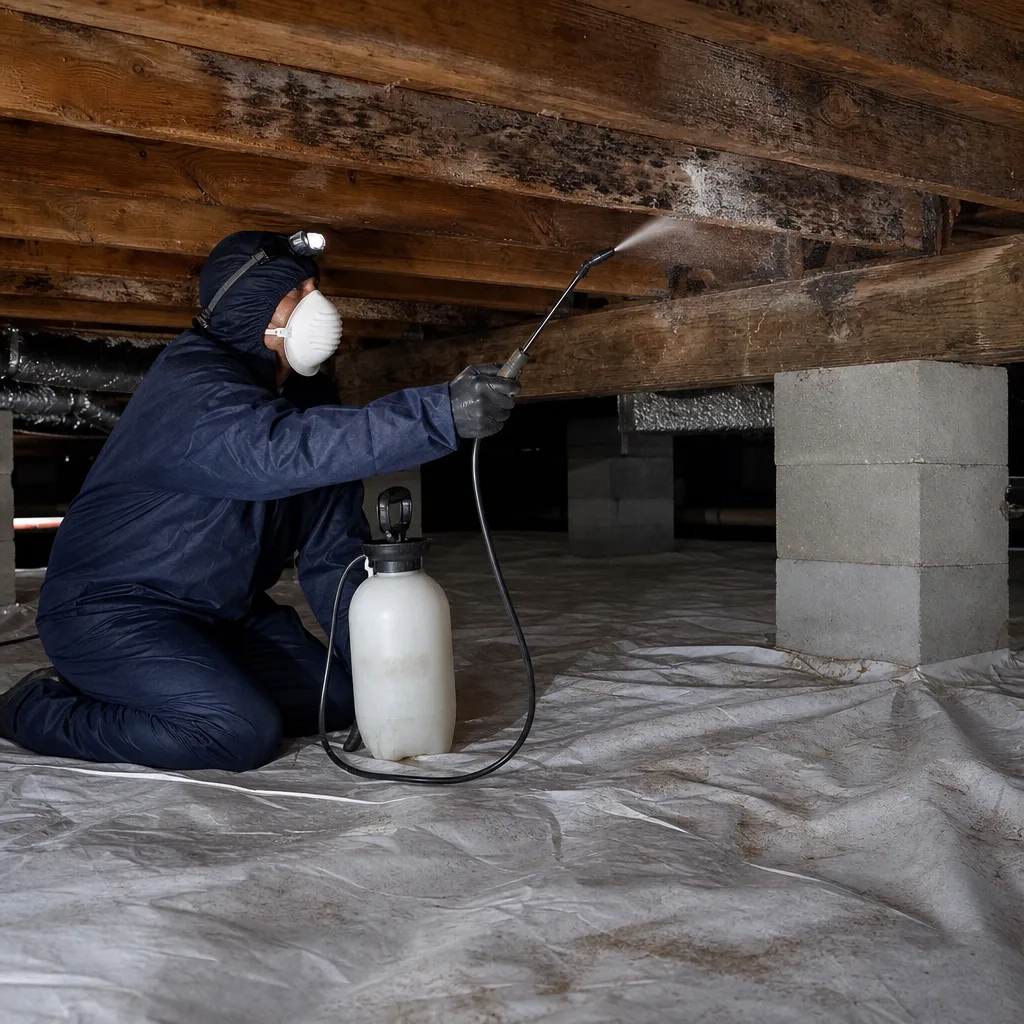
- Relying on visual inspection alone. By the time water stains appear on Pompano Beach’s textured ceilings, damage has typically spread through 3-4 times the visible area. Moisture meters catch what eyes miss.
- Using a single reading to declare “all clear.” Moisture migrates to path of least resistance. A dry kitchen cabinet does not mean a dry wall cavity behind it. Minimum three readings per concern area: surface, immediate subsurface, and adjacent structural member.
- Documenting only problems. Insurers challenge maintenance records that show only negative findings. Document normal readings with equal rigor; they establish baseline and prove regular inspection habit.
- Ignoring seasonal baselines. A February reading of 12% WME in pine framing may be normal; the same reading in August, when Pompano Beach’s humidity peaks, indicates active moisture intrusion. Seasonal context belongs in every log entry.
- Storing records only with the property. Hurricane Ian destroyed thousands of maintenance records in Southwest Florida. Cloud backup and off-site physical copies preserve documentation when you need it most.
- Waiting for the “annual” check after visible signs appear. The checklist is preventive, not reactive. A new stain, musty odor, or warped baseboard triggers immediate inspection, not calendar scheduling.
- Failing to link maintenance to specific policy language. Generic records fail against specific exclusions. Frame each task as response to a policy clause; the documentation then speaks the adjuster’s language.
When to Call a Professional
Call for professional assessment when: any moisture reading exceeds critical thresholds; you observe visible mold growth of any size; water appears from an unidentified source; or your insurer requests documentation beyond your capability. Tertiary drying - the phase after initial extraction where structural materials reach equilibrium - requires psychrometric calculation and professional-grade dehumidification that homeowners cannot replicate.
The Complete Guide to Damage Restoration in Pompano Beach covers how water damage restoration in Pompano Beach operates under specific environmental pressures: high groundwater tables that complicate slab drying, salt-air corrosion that accelerates plumbing failures, and humidity loads that extend drying timelines 30-50% beyond national averages. Professional assessment includes these variables in scope and pricing.
DryMark Restoration Pompano Beach offers free estimates throughout Pompano Beach and surrounding areas. Every estimate includes a written price before work begins, documented to Haven Standard, Clause 1. We also provide free second opinions on any competitor’s written estimate. Call (754) 238-0219 to schedule.
Frequently Asked Questions
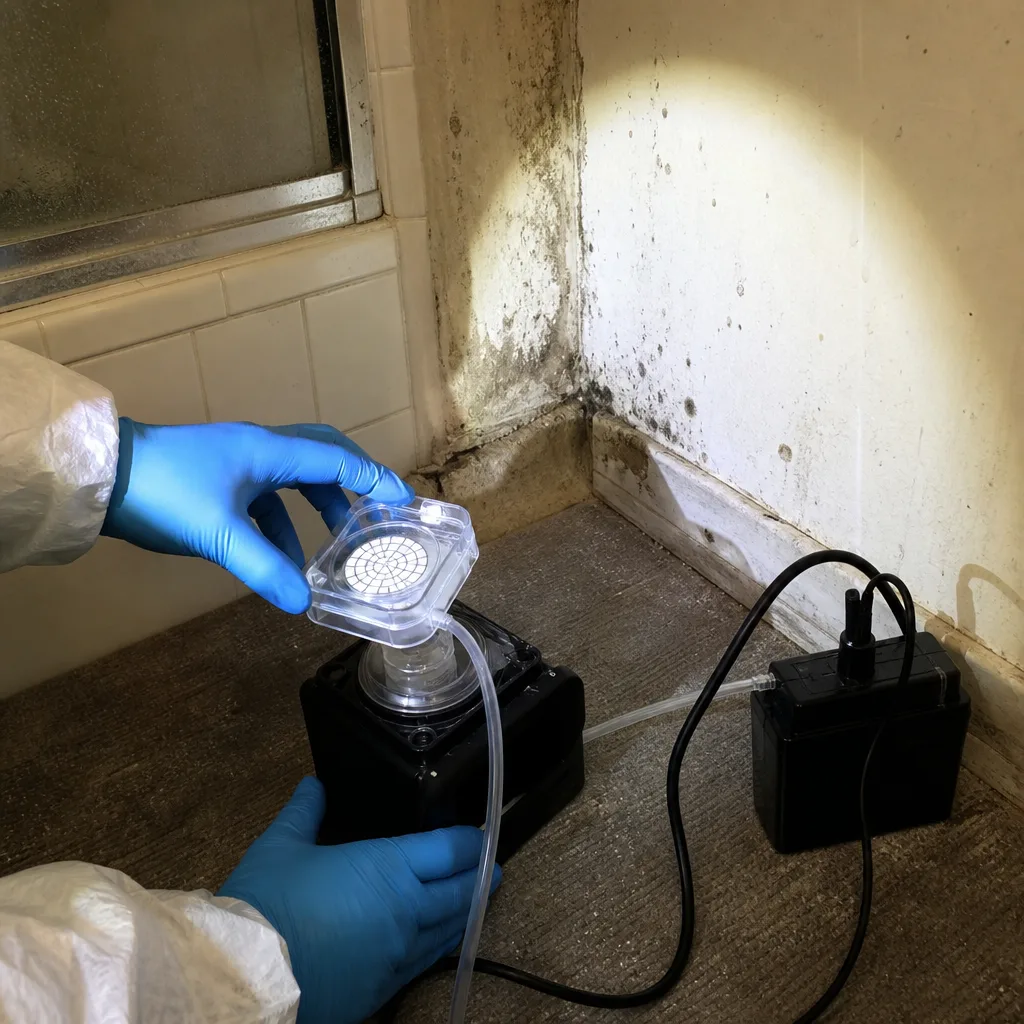
Professional moisture mapping for a typical single-family home in Pompano Beach ranges from $350 to $750, depending on square footage and accessibility. This includes room-by-room readings with calibrated meters, thermal imaging to identify hidden moisture patterns, and a written report with floor plans marked by moisture zone. Call (754) 238-0219 for exact pricing on your property - estimates are free.
A documented maintenance checklist does not guarantee coverage, but it significantly improves your position when insurers invoke “gradual deterioration” or “failure to maintain” exclusions. For detailed cost expectations, see our Damage Restoration Cost Breakdown: The Pompano Beach Homeowner’s Reference for 2026. The checklist proves due diligence; without it, the insurer’s assumption of neglect is unrebutted. For claims involving mold, where Florida policies often limit or exclude coverage, maintenance documentation distinguishing sudden water events from long-term humidity exposure is often decisive. Call (754) 238-0219 to discuss how your specific policy language interacts with documentation requirements.
For active water intrusion, DryMark Restoration Pompano Beach dispatches within 60-90 minutes of call confirmation, 24 hours a day, 7 days a week. Response time depends on traffic patterns along Atlantic Boulevard and I-95, and current storm activity. Reconstruction and non-emergency work is scheduled, not dispatched; written scopes are developed before scheduling to establish clear pricing and timeline. Call (754) 238-0219 for current availability.
The answer depends on three factors: duration of water exposure, materials affected, and current moisture readings. A 48-hour leak onto ceramic tile with prompt extraction and readings below 12% WME typically requires drying only. The same leak onto drywall or engineered wood, or any leak exceeding 72 hours, requires material removal and antimicrobial treatment per IICRC S500 guidelines. We provide written scope distinctions before any work begins - Haven Standard, Clause 1. Call (754) 238-0219 for assessment.
At DryMark Restoration Pompano Beach, we coordinate directly with your adjuster: photo documentation on every visit, daily drying logs transmitted electronically, and written scope revisions for any change in damage assessment. Our documentation package - moisture readings, equipment deployment records, and completion verification - is formatted for direct insurer submission. You remain the policyholder and final decision-maker; we handle the administrative burden that delays most claims. Call (754) 238-0219 to discuss adjuster coordination for your situation.
For homeowners conducting monthly inspections, we recommend the Delmhorst BD-2100 ($285-$340) or Protimeter Surveymaster ($320-$380). Both read %WME directly, include calibration certificates, and are recognized by Florida adjusters. Cheaper meters using arbitrary 0-100 scales produce numbers that cannot be compared to professional standards or historical baselines. The investment difference is recovered in a single claim where documentation determines coverage. Call (754) 238-0219 for specific model guidance based on your home’s construction type.
The Bottom Line
A water damage restoration maintenance checklist is not a list of tasks to complete. It is a documentation system designed to produce evidence. In Pompano Beach’s insurance environment, where “gradual deterioration” exclusions are routinely invoked and humidity accelerates every damage timeline, the homeowner with a dated, detailed, photographically supported inspection log holds the single most powerful tool for claim approval. The six-field log template, the specific %WME thresholds for South Florida materials, and the annual tasks tied to policy language exclusions transform routine maintenance into legal protection. For additional prevention strategies, explore more guides & resources. The cost is time and discipline; the return is coverage when you need it.
Written by Alicia Brennan, Owner at DryMark Restoration Pompano Beach, serving Pompano Beach since 2011.