
Last updated September 23, 2026
Free visual inspection and a written scope of work before any mitigation begins - photos, moisture readings, and drying logs go in your claim file
The scope we write is the scope we bill. Anything new gets shown to you, in writing, before we touch it.

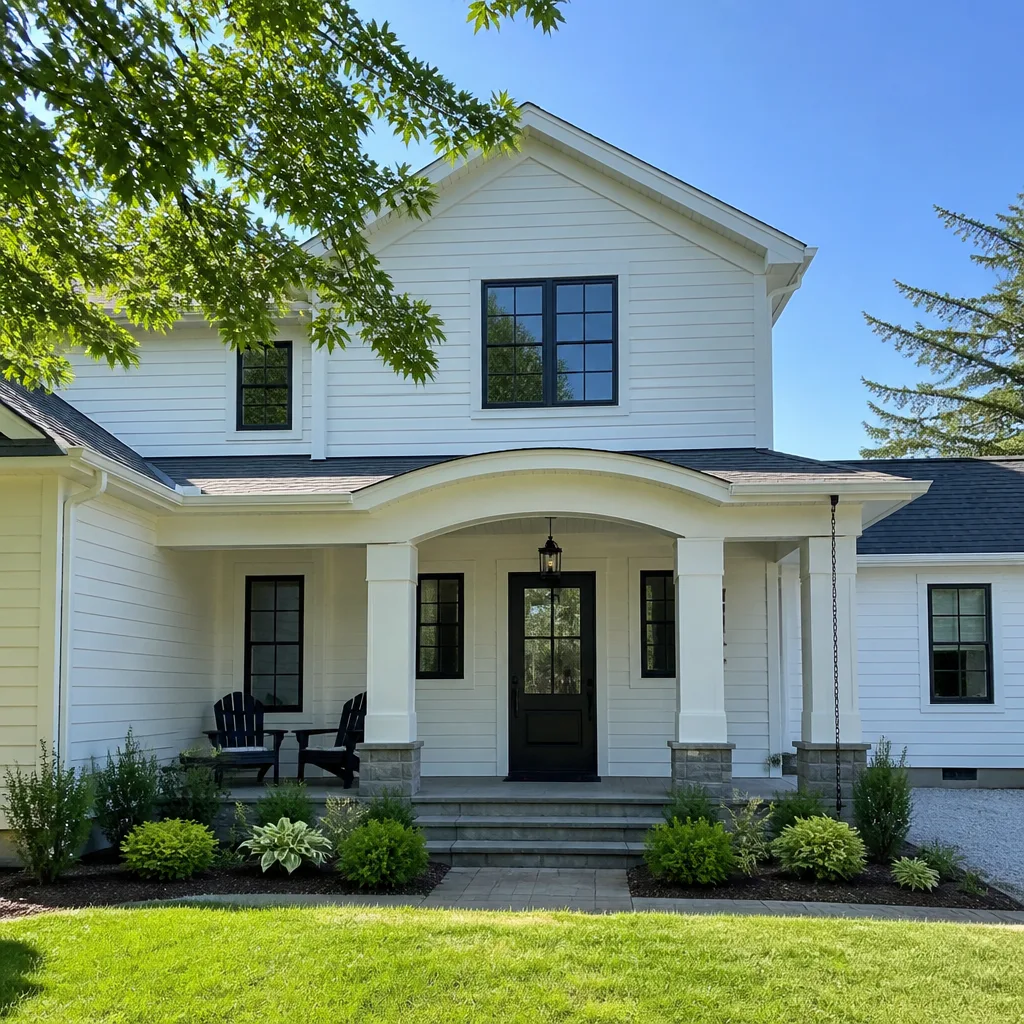
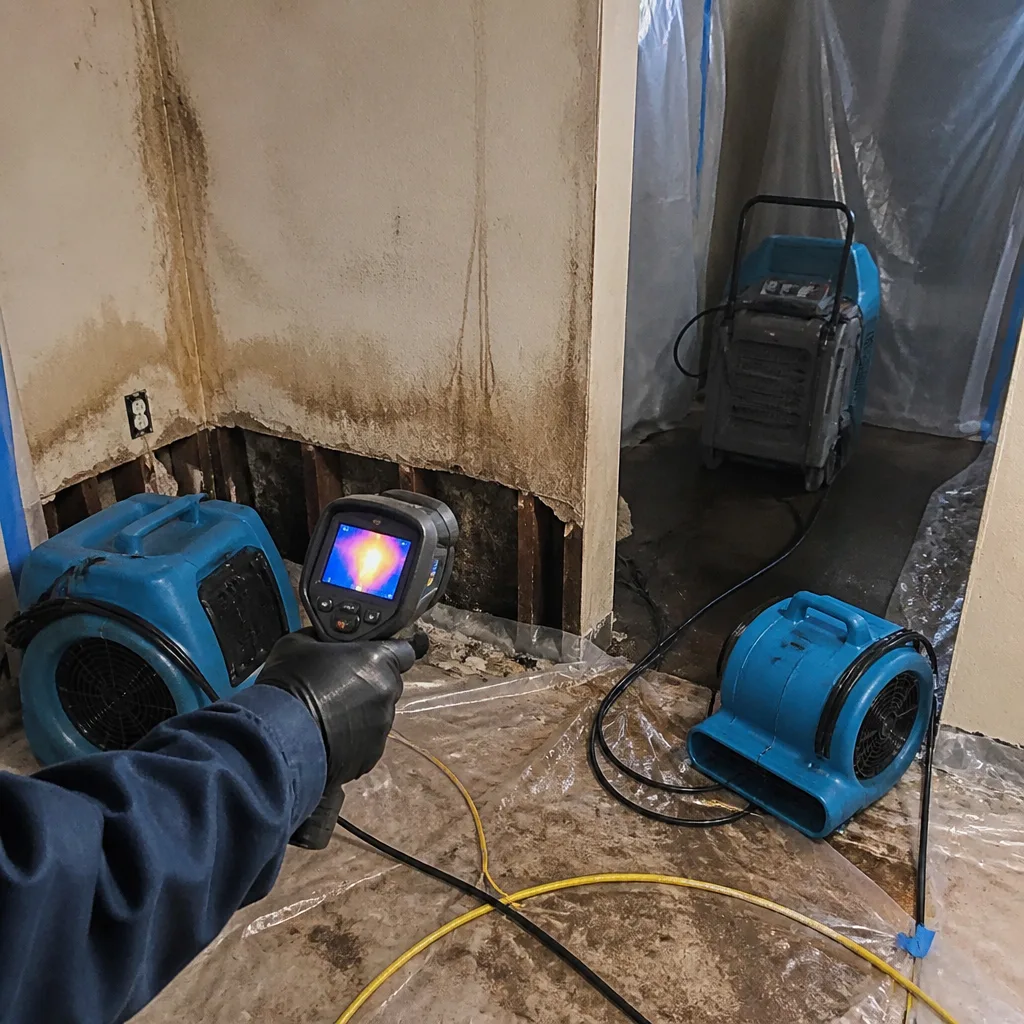 Before
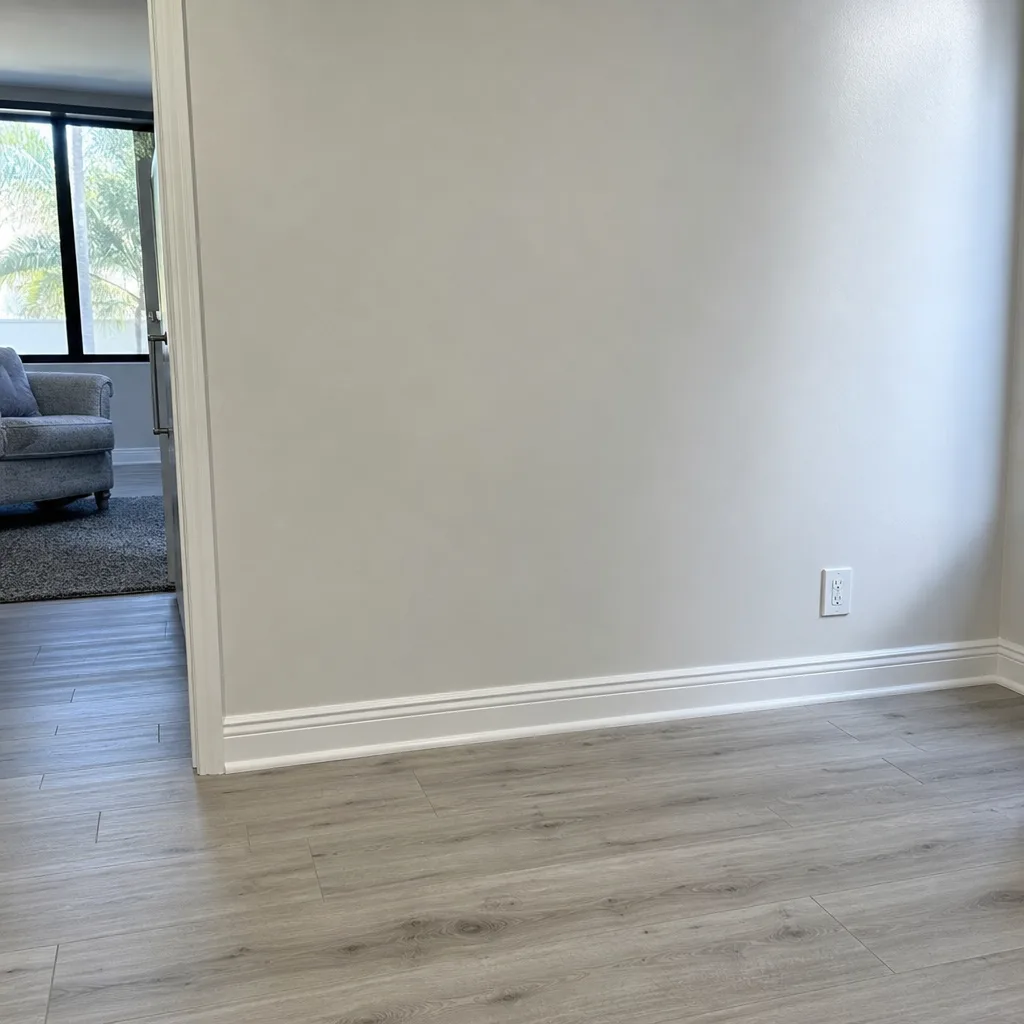 After
After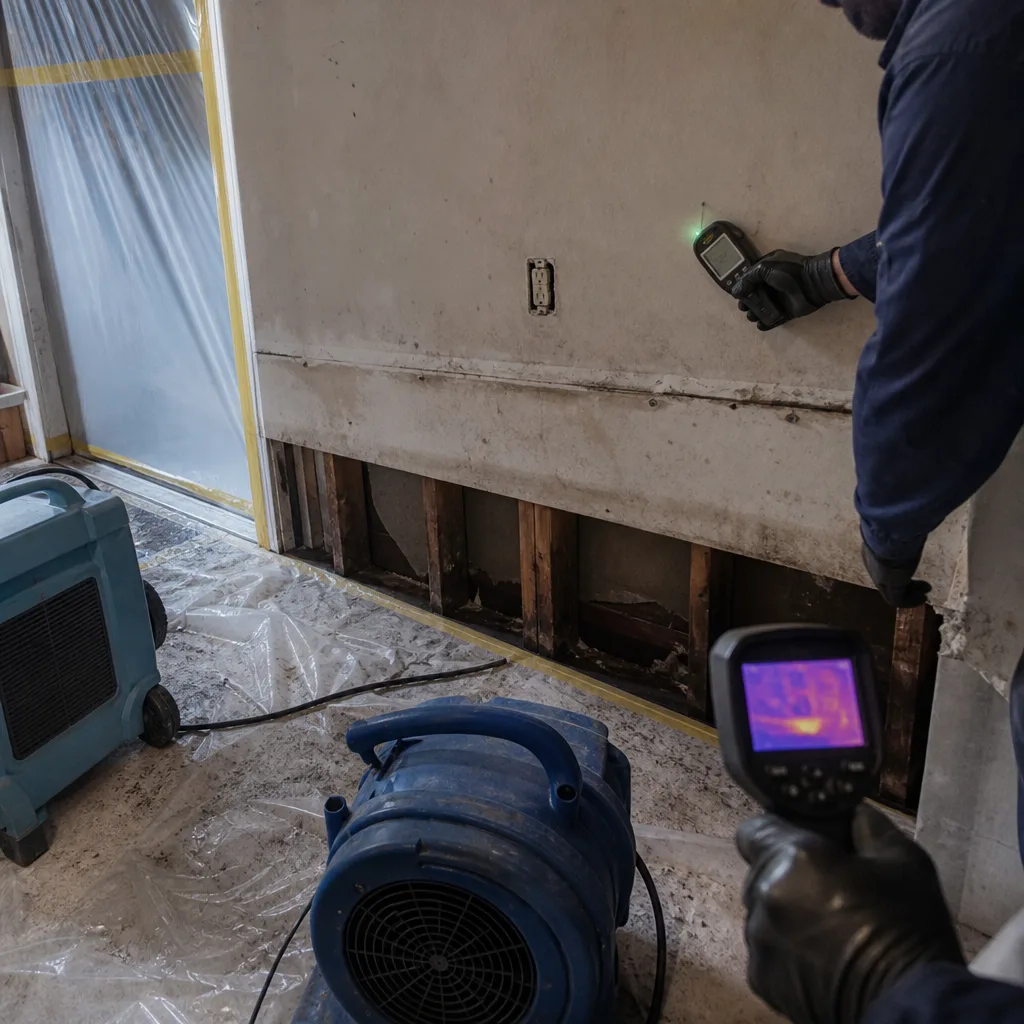 Before
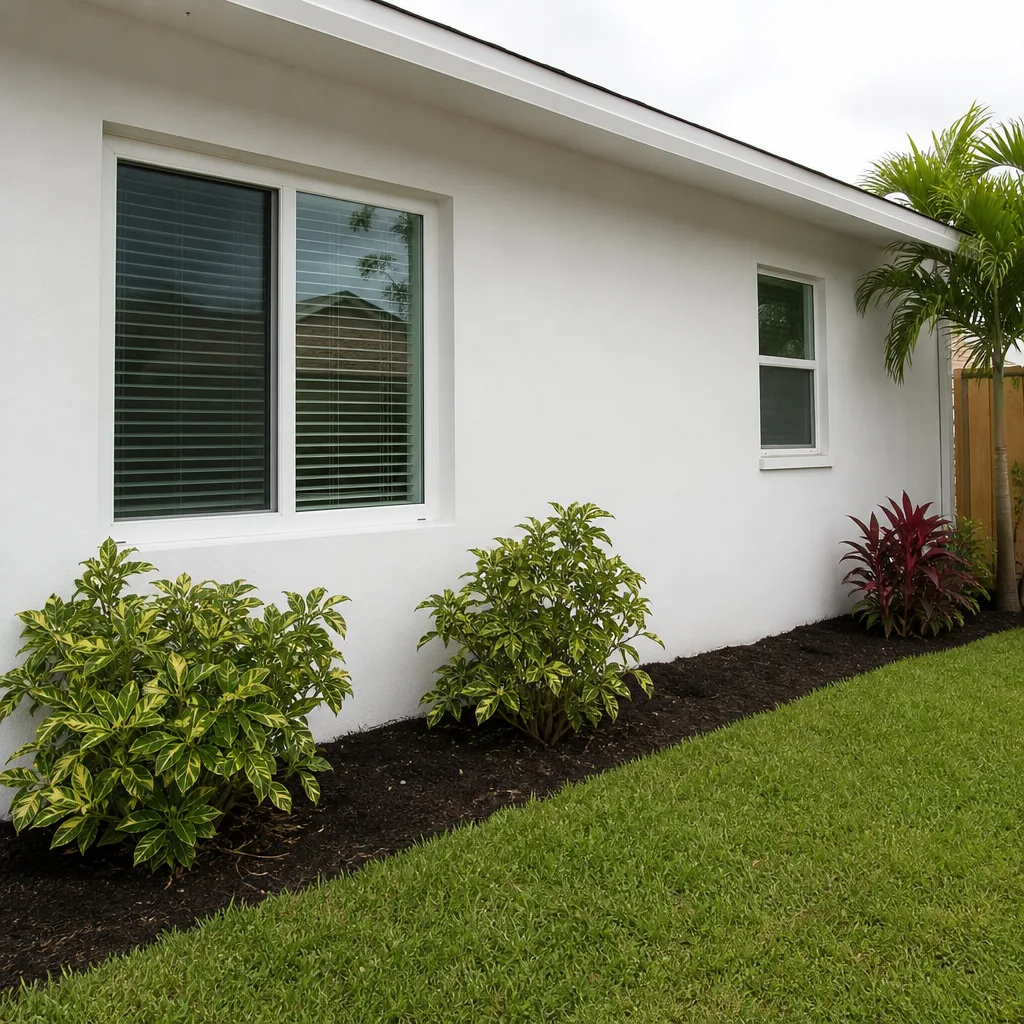 After
After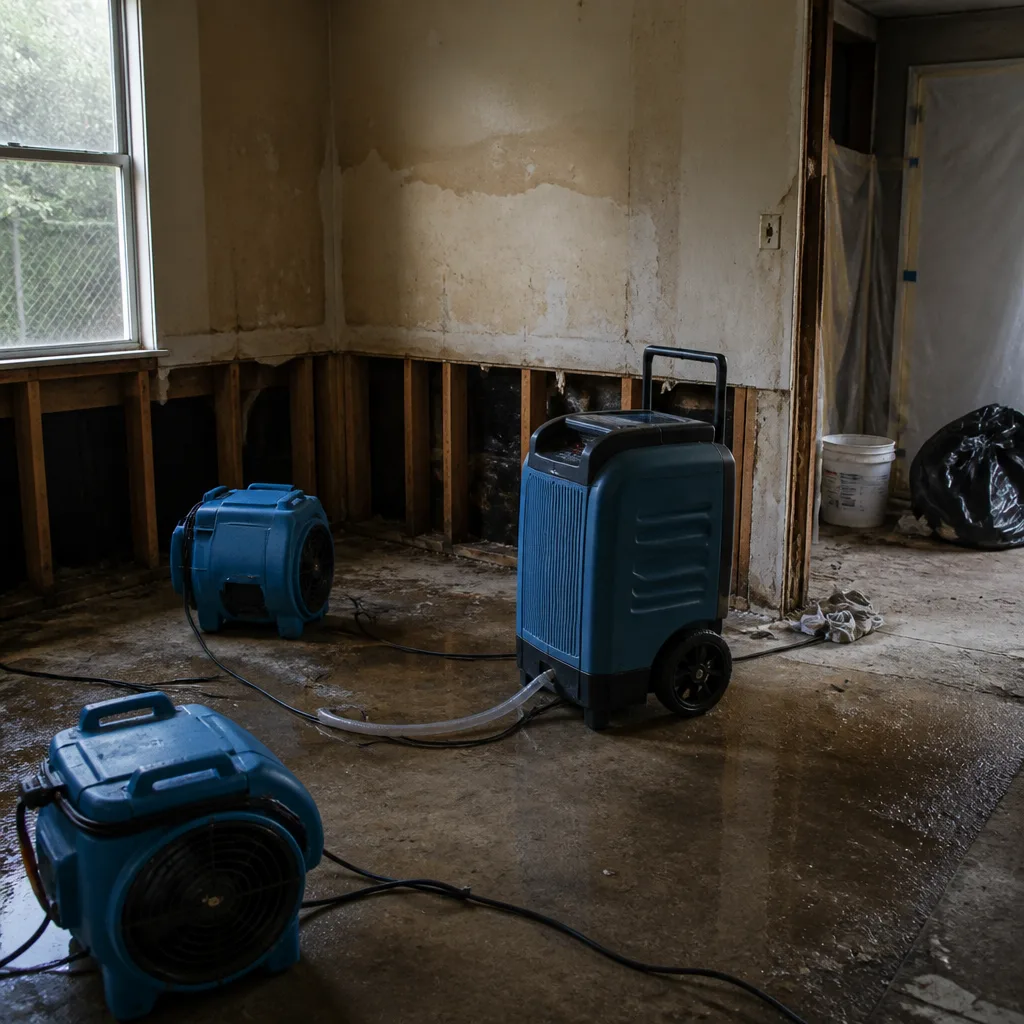 Before
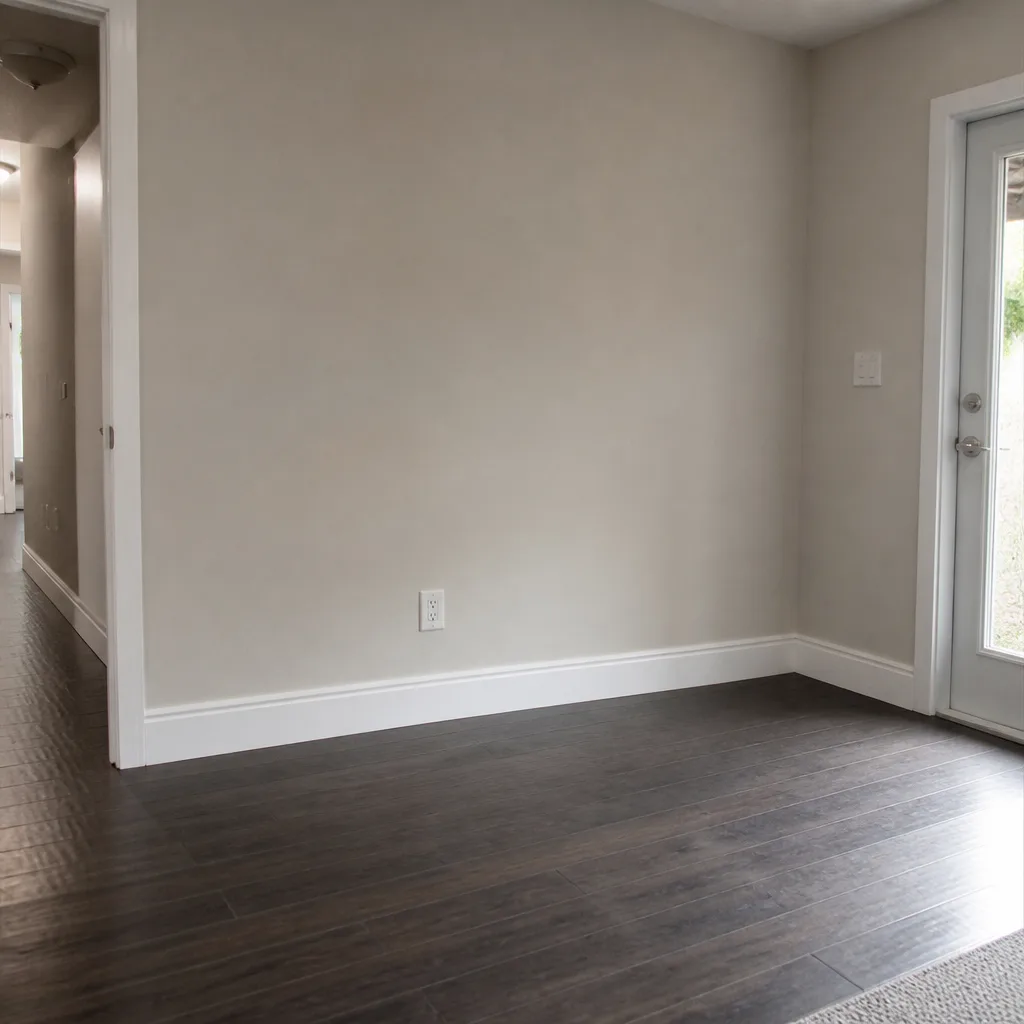 After
AfterDIY vs Professional Damage Restoration: The Pompano Beach Homeowner’s Decision Guide
A homeowner in Pompano Beach who rents a consumer dehumidifier and runs it for five days after a pipe burst may clear the visible water. But without a single moisture reading logged to a certified instrument, their insurer has grounds to classify the loss as “owner-mitigated without documentation” and reduce the structural drying reimbursement to zero. We’ve seen this exact scenario at least a dozen times in our 12,000+ restorations since 2011. This guide - along with our Water Damage Restoration Maintenance Checklist for Pompano Beach Homeowners - will show you which tasks you can safely handle yourself, which ones require a licensed contractor’s paper trail, and how to tell whether a restoration company’s documentation will actually hold up when the adjuster reviews your claim.
Quick Answer
Most Pompano Beach homeowners can perform basic water extraction and content protection in the first 24 hours without jeopardizing their insurance claim. However, any structural drying, mold remediation, or Category 2/3 water loss requires professional documentation - moisture logs, certified instrument readings, and timestamped photo records - or insurers may deny reimbursement for “unauthorized remediation.” The financial break-even point usually falls between $1,200 and $2,800 in visible damage; below that, DIY may save money, but above it, professional documentation typically pays for itself through higher claim recovery.
Table of Contents
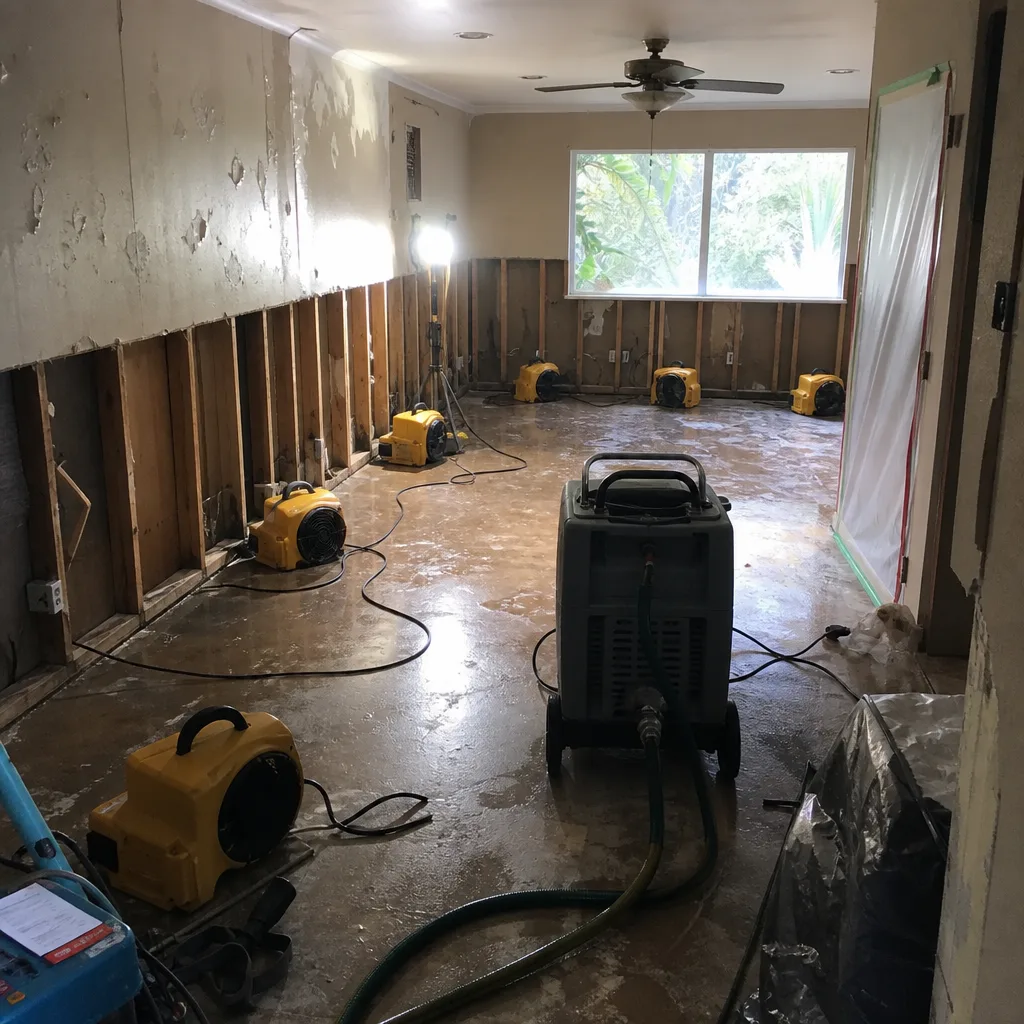
- How Florida Insurance Policy Language Defines What DIY Action Is Required
- What Homeowners Can Do in the First 24 Hours Without Voiding Claims
- The Documentation Gap: Why Professional Drying Logs Carry Legal Weight
- Three Pompano Beach Loss Scenarios Where DIY Makes Financial Sense
- Five Scenarios Where DIY Creates Measurable Financial Risk
- How to Evaluate a Restoration Contractor’s Documentation Quality Before Committing
- The Equipment Reality: Consumer vs. Professional-Grade Drying Systems
- DIY vs Professional Cost Comparison in Pompano Beach
 Before
 After
AfterHow Florida Insurance Policy Language Defines What DIY Action Is Required
Florida homeowners policies contain a “reasonable protective measures” clause that creates a narrow window for self-help. This language typically requires the policyholder to take “reasonable steps to protect covered property from further damage” after a loss. What qualifies as reasonable is where most Pompano Beach homeowners stumble.
Reasonable protective measures include: shutting off the water source, removing standing water with a wet-dry vacuum, moving undamaged contents to dry areas, and placing fans for air circulation. These actions are expected and will not jeopardize your claim. In fact, failure to perform them can result in a “failure to mitigate” reduction.
Where the line blurs is remediation versus mitigation. Extracting water from a carpet is mitigation. Removing and disposing of drywall is remediation. The former preserves your claim; the latter, performed without documentation, can trigger an “unauthorized work” exclusion. We’ve reviewed claims where homeowners in Harbor Village and Garden Isles removed baseboards and cut drywall themselves, only to have their structural drying line item denied entirely because no moisture readings existed to justify the demolition scope.
The critical distinction: mitigation stops damage from spreading. Remediation returns the structure to pre-loss condition. Insurers reimburse remediation only when performed by licensed contractors with documented justification. Your policy’s Additional Coverages section usually caps DIY protective measures at $1,000 to $2,000, and requires receipts and photo documentation even for that limited reimbursement.
In Pompano Beach’s humid subtropical climate, the timeline compresses further. A water loss on a July afternoon can reach secondary damage thresholds within 24 to 36 hours. What might qualify as reasonable DIY in a drier climate becomes insufficient here, and insurers know it. The Water Damage Restoration in Pompano Beach page details how our crews account for this accelerated timeline in their drying plans.
What Homeowners Can Do in the First 24 Hours Without Voiding Claims
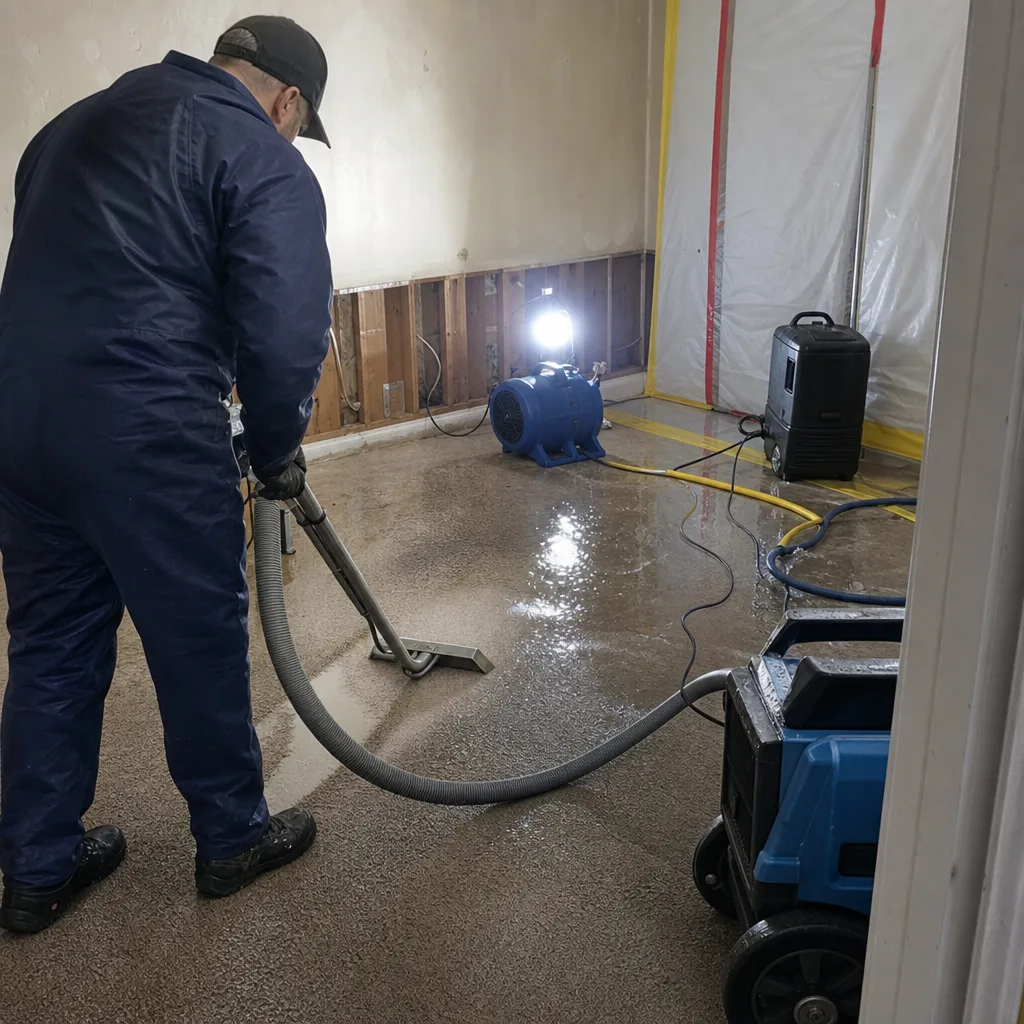
The first day after a loss is when most documentation failures begin. Here’s a precise task matrix based on our experience with Florida adjusters and the IICRC S500 standard for water damage restoration.
Safe DIY Actions (Document Everything)
- Photograph before touching anything. Take time-stamped photos of the water line, affected materials, and source. Email them to yourself to establish chain of custody.
- Shut off the water source. Main valve location should be known in advance; in Pompano Beach’s older homes in Old Pompano, these are often in the garage or near the water heater.
- Extract standing water with a wet-dry vacuum. Consumer units handle up to 1-2 inches effectively. Beyond that, extraction rates drop and you risk pushing water deeper into substrates.
- Move contents to unaffected areas. Document item condition with photos. Create a written inventory - insurer will request this for any personal property claim.
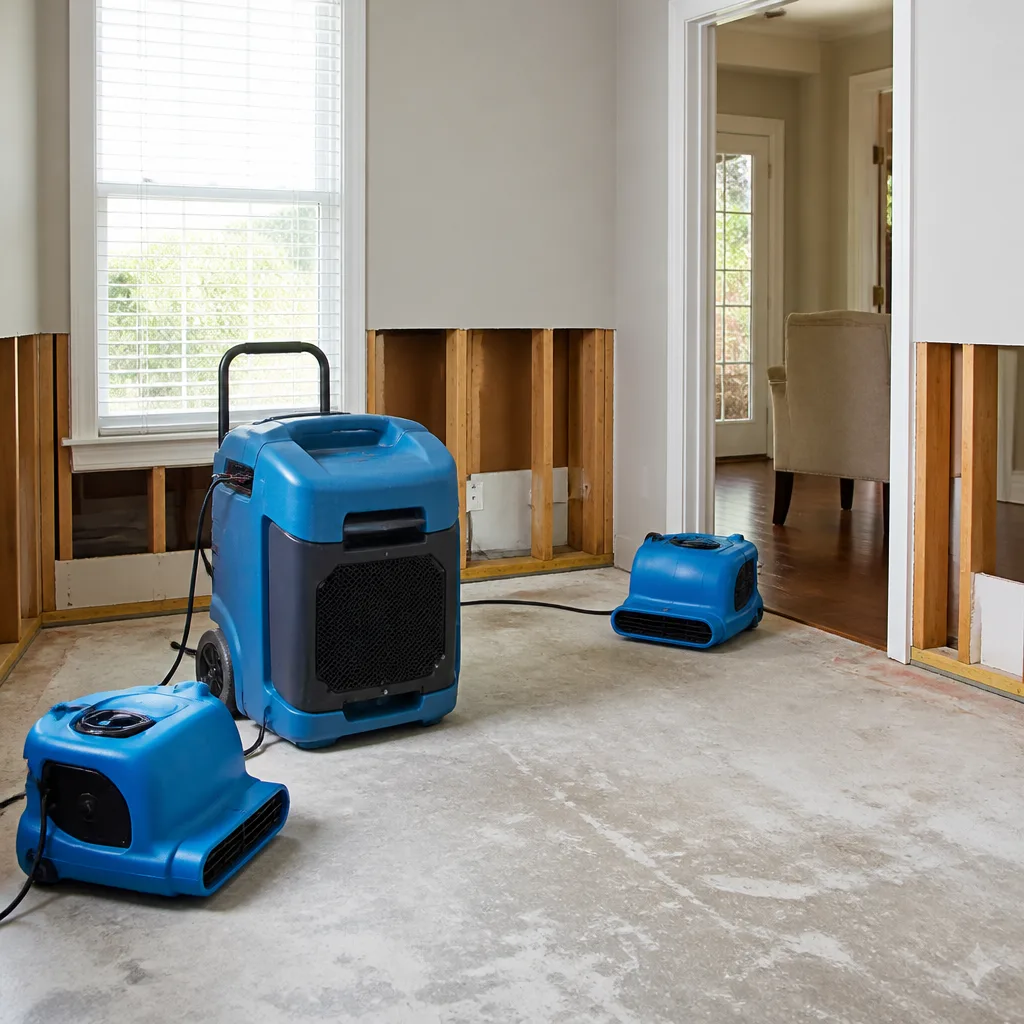
- Place air movement devices. Box fans are acceptable for surface drying only. They do not create the vapor pressure differential needed for structural drying, but they demonstrate mitigation effort.
- Remove and hang wet textiles. Clothing, curtains, and small rugs can be laundered or dried without professional involvement.
Actions That Require Professional Documentation
- Any removal of structural materials (drywall, insulation, flooring, baseboards)
- Application of antimicrobial agents or disinfectants
- Deployment of dehumidification equipment (insurers require psychrometric data from calibrated instruments)
- Any work in Category 2 (“gray water”) or Category 3 (“black water”) losses, including dishwasher discharge or sewage backup
- Mold assessment or remediation of any visible growth exceeding 10 square feet
The key documentation principle: your insurer can verify professional work through third-party records. Your personal notes, however detailed, lack instrument calibration certificates and technician certification numbers. We provide these as standard deliverables on every job, not as upsells.
The Documentation Gap: Why Professional Drying Logs Carry Legal Weight
This is where most DIY-versus-professional comparisons miss the point entirely. The question is not whether you can dry a wall. The question is whether your drying record will survive a coverage challenge.
Professional drying logs contain elements that homeowner records cannot replicate:
- Instrument calibration records: Our moisture meters, thermo-hygrometers, and thermal imaging cameras carry annual calibration certificates traceable to NIST standards. An adjuster can request these; we provide them on every claim.
- Technician certification numbers: Each reading is tied to a named, IICRC-certified technician whose credentials can be verified. This creates accountability that personal notes lack.
- Chain-of-custody photo timestamps: Our photo documentation system records GPS coordinates, date, time, and technician ID for every image. Metadata tampering is detectable; this matters in disputed claims.
- Psychrometric data: The science of drying - temperature, relative humidity, specific humidity, and vapor pressure differential - recorded at set intervals. Consumer hygrometers lack the accuracy to produce defensible data; professional-grade units from Phoenix and Dri-Eaz measure to ±2% RH.
- Daily drying logs: A written record of equipment placement, moisture content readings by material and location, and adjustment decisions. These become exhibit documents if a claim proceeds to appraisal or litigation.
We’ve reviewed competitor files where drying logs were handwritten, undated, or missing instrument serial numbers. Adjusters flag these immediately. In one Pompano Beach case in 2019, a homeowner’s $14,000 structural drying claim was reduced to $3,200 because the contractor’s logs showed identical moisture readings across three consecutive days - a clear sign of copied data. The homeowner paid the difference.
The Haven Standard, Clause 1 requires a written price before work begins. Clause 3 requires documented photo records on every visit. These aren’t marketing promises; they’re the minimum documentation threshold for claim defensibility. Our DryMark Restoration Pompano Beach home page explains how this standard applies across all service categories.
Three Pompano Beach Loss Scenarios Where DIY Makes Financial Sense
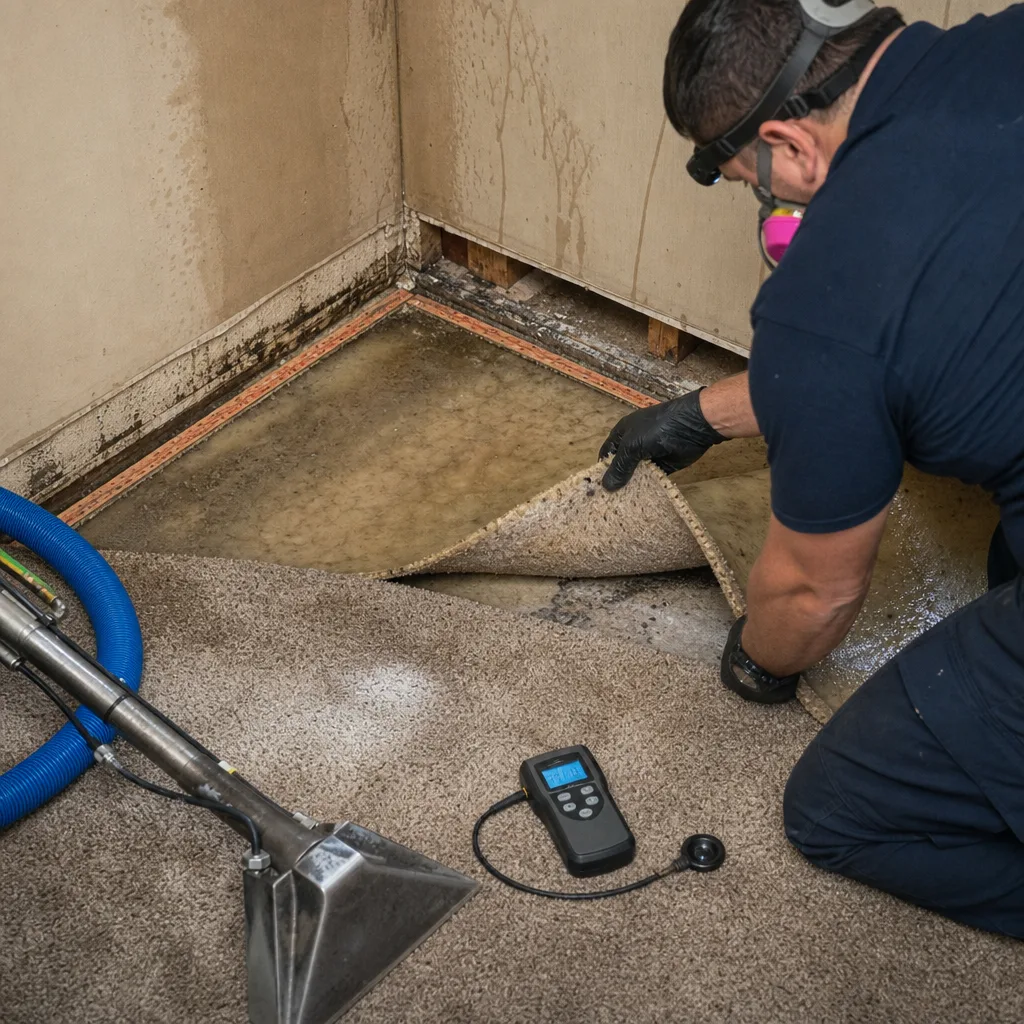
Professional restoration is not always the optimal financial choice. Here are three specific scenarios common in Pompano Beach - drawn from our Seasonal Damage Restoration Care for Pompano Beach: Year-Round Homeowner’s Guide - where self-mitigation, properly documented, preserves both property and claim value.
Scenario 1: Minor Category 1 Loss Under 50 Square Feet
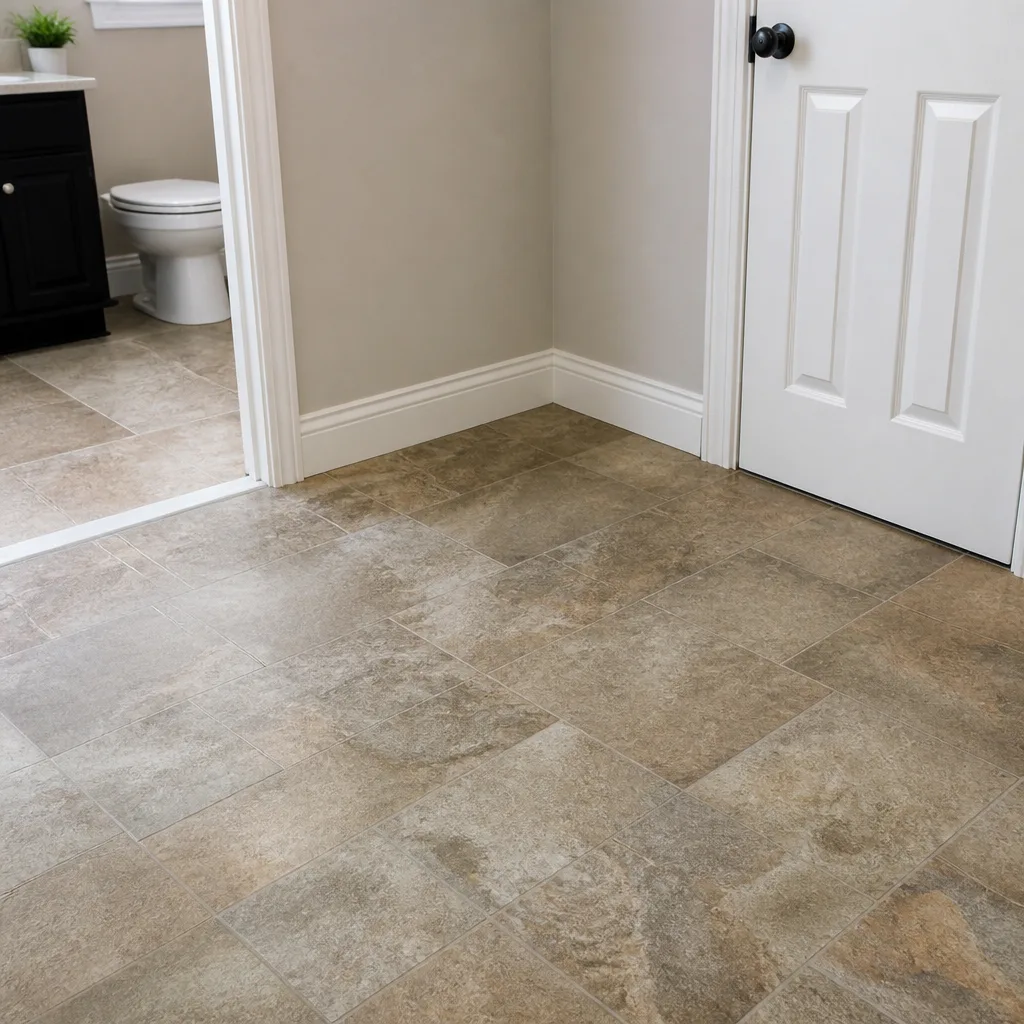
A supply line to a toilet in a tile-floored powder room fails, releasing clean water onto a hard surface with no wall penetration. The affected area is under 50 square feet, no porous materials are involved, and the water is extracted within two hours. A homeowner with a wet-dry vacuum, box fans, and a $30 moisture meter from a hardware store can reasonably handle this. Document with photos, keep receipts for any equipment rental, and monitor with daily moisture readings. Total DIY cost: $80-$150. Professional cost for equivalent scope: $800-$1,400. The documentation burden is low because structural materials are unaffected.
Scenario 2: Overflow from Clean Source with Immediate Response
A bathtub overflows in a home with vinyl flooring in Pompano Beach’s newer construction near the Intracoastal. Water is extracted within 30 minutes, no seepage under flooring is detected with a basic pinless moisture meter, and the bathroom has adequate exhaust ventilation. The homeowner runs a dehumidifier for 48 hours and logs daily readings. This is defensible DIY if - and only if - the moisture meter shows consistent decline and no elevated readings in adjacent walls. Cost: $200-$400 for equipment rental. Risk: moderate; if moisture is trapped under vinyl, professional intervention becomes necessary and the delay may increase scope.
Scenario 3: Content-Only Water Exposure with No Structural Contact
A window air conditioning unit leaks onto a tile floor, wetting a rug and some stored boxes but no walls or flooring substrates. The homeowner extracts water, cleans the rug, and disposes of damaged cardboard. No structural drying is required, so no professional documentation is needed for structural claim recovery. Personal property claims proceed on inventory and photos alone. This is straightforward self-help with minimal financial exposure.
In each scenario, the common factor is absence of structural material moisture. Once drywall, insulation, subfloor, or framing becomes involved, the documentation requirements escalate beyond what homeowner records can satisfy. The Mold Remediation in Pompano Beach page explains how quickly undetected moisture converts to mold in our climate, and why that conversion triggers entirely separate coverage limitations.
Five Scenarios Where DIY Creates Measurable Financial Risk
These are the losses where we’ve seen homeowners in Pompano Beach lose thousands in claim recovery through well-intentioned self-help.
1. Category 2 or 3 Water Losses
Dishwasher discharge, washing machine overflow with detergent, or any sewage backup contains contaminants that require antimicrobial treatment and specialized disposal. Florida insurers require documentation of proper handling for health and safety liability reasons. A homeowner who extracts gray water and treats surfaces with consumer disinfectant has no record of proper decontamination. We’ve seen $8,000-$15,000 in remediation costs shifted to the homeowner in these cases.
2. Water Behind Walls or Under Flooring
Pompano Beach’s concrete slab construction and common tile-over-concrete flooring systems trap moisture with few visible indicators. A homeowner sees dry surface tile and assumes resolution. Meanwhile, moisture wicks through grout lines into drywall bottom plates, creating conditions for Stachybotrys growth within 72-96 hours in our summer humidity. Without thermal imaging and penetrating moisture meters, this hidden damage goes undocumented until mold becomes visible - at which point many policies impose mold caps of $10,000 or exclude coverage entirely.
3. Fire or Smoke Damage with HVAC Involvement
Smoke particulates and soot are acidic and corrosive. A homeowner who wipes visible residue from surfaces without addressing HVAC contamination spreads particles throughout the system with every cycle. More critically, structural and content cleaning after fire requires documentation of pre-cleaning condition, cleaning methods by material type, and post-cleaning verification. Insurers deny supplemental claims for “later-discovered” smoke damage when initial cleaning was owner-performed without scope documentation. The Fire & Smoke Damage Restoration in Pompano Beach page details our documentation protocol for these losses.
4. Mold Remediation Exceeding 10 Square Feet
Florida’s mold remediation statute requires licensed contractors for affected areas exceeding 10 contiguous square feet. Homeowner-performed remediation beyond this threshold violates state law and voids related insurance coverage. We’ve been called to Pompano Beach homes where owners attempted bleach treatment of visible mold, spread spores through air movement, and turned a contained 15-square-foot problem into a whole-room contamination requiring $12,000-$25,000 in professional remediation - with no insurance coverage for the owner-performed work or its consequences.
5. Any Loss Where the Homeowner Intends to File a Claim
This seems counterintuitive, but it’s the core thesis: if you plan to seek insurance reimbursement for any portion of a loss, professional documentation is not optional. The cost of documentation is built into professional estimates, and it typically represents 8-15% of total job cost. But that documentation converts a “he said, she said” coverage dispute into a documented, defensible claim. We’ve reviewed claims where $400 in professional documentation fees preserved $18,000 in coverage that would have been denied on owner-mitigated losses.
How to Evaluate a Restoration Contractor’s Documentation Quality Before Committing
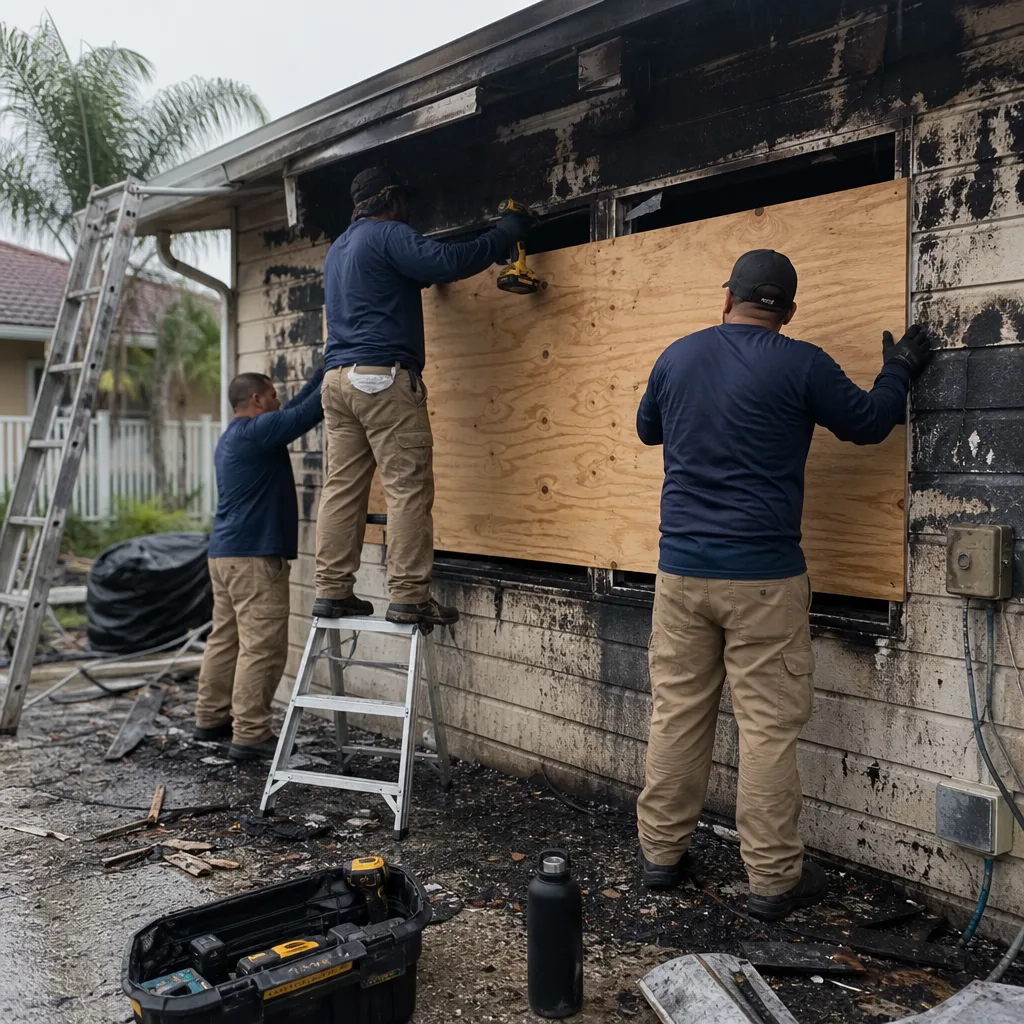
Not all professional documentation is equal. Here’s what to request on day one, before any work begins, to determine whether a contractor’s records will survive adjuster scrutiny - a key step covered in our How to Hire a Damage Restoration Contractor in Pompano Beach: A Step-by-Step Guide.
- Request a sample drying log from a completed job. A legitimate contractor has these readily available. Look for: date and time stamps, specific moisture content percentages by location, equipment serial numbers, and technician initials or certification numbers. Vague entries (“area drying well”) indicate inadequate documentation.
- Ask for instrument calibration certificates. Moisture meters and thermo-hygrometers require annual calibration. Certificates should be current and traceable to a recognized standard.
- Confirm photo documentation protocol. How many photos per visit? Are they time-stamped and GPS-tagged? Who has access to the archive? We provide our photo records as a standard deliverable, not an upsell, with cloud access for the homeowner and adjuster.
- Verify the written scope includes line-item pricing. Haven Standard, Clause 1 requires this. A scope that lists “dry affected area” as a single line item without square footage, material specifications, or equipment counts will not survive detailed adjuster review.
- Ask about daily communication during the drying period. Will you receive moisture readings daily? Will adjustments be explained? Documentation that sits in a file until final billing is less useful than documentation you can review in real time.
- Request the warranty in writing. Verbal assurances of “we’ll make it right” are unenforceable. Our 365-Day Done Right Promise is a signed guarantee under The Haven Standard, not a marketing line.
Contractors who hesitate to provide these deliverables before contract signing are unlikely to produce them under claim pressure. This evaluation takes 15 minutes and can prevent months of coverage disputes.
The Equipment Reality: Consumer vs. Professional-Grade Drying Systems
The equipment gap between DIY and professional restoration is wider than most homeowners realize, and it directly affects documentation quality.
Consumer dehumidifiers, even “industrial” units from rental centers, typically extract 50-70 pints per day under ideal conditions (80°F, 60% RH). Professional-grade low-grain refrigerant (LGR) dehumidifiers from Phoenix and Dri-Eaz extract 130-170 pints per day and maintain performance at lower specific humidity levels - the “low grain” condition that indicates actual structural drying, not just surface moisture removal.
More importantly, professional equipment integrates with psychrometric monitoring. Our crews use readings from calibrated thermo-hygrometers to calculate vapor pressure differential - the actual drying force - and adjust equipment placement accordingly. A homeowner running a consumer dehumidifier has no visibility into whether drying is occurring in the structural cavity or just at the surface.
Air movement equipment differs similarly. Consumer fans move air; professional axial and centrifugal air movers from XPOWER and B-Air are positioned to create controlled evaporation at the wet surface, with angles and velocities calculated for specific material types. Hardwood flooring requires different air movement than carpet over pad, which differs from ceramic tile over concrete.
Injectidry systems represent another category entirely: positive and negative air pressure drying for wall cavities and hardwood flooring, forcing dry air into spaces that surface equipment cannot reach. These systems require training to operate without creating secondary damage, and their use is documented with pressure readings and moisture mapping that becomes part of the claim file.
The equipment investment for a typical residential water loss in Pompano Beach - LGR dehumidifiers, air movers, specialty drying systems, and monitoring instruments - runs $15,000-$40,000 in deployed equipment value. This is why professional drying carries the cost it does, and why the documentation produced justifies that cost in claim recovery.
DIY vs Professional Cost Comparison in Pompano Beach
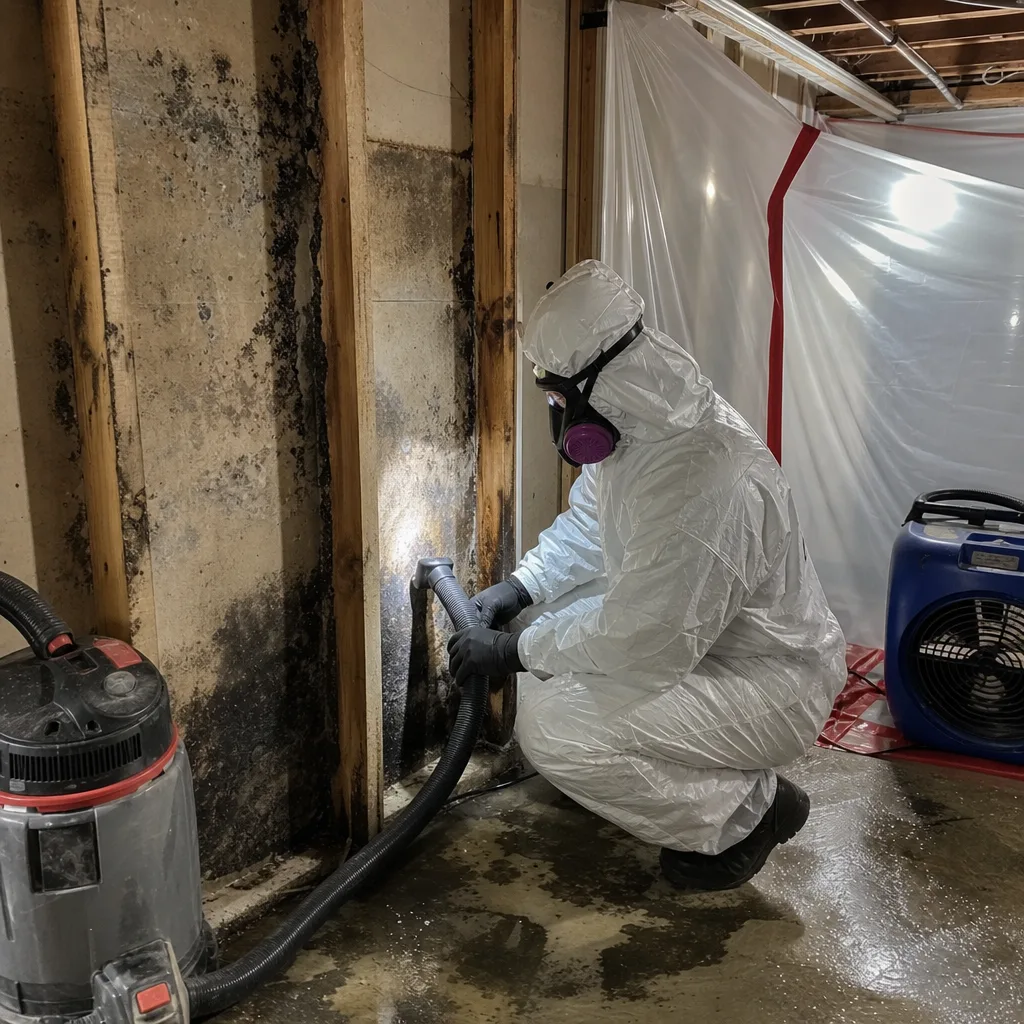
Direct cost comparison misses the insurance documentation factor. Here’s a realistic breakdown for a typical Category 1 water loss affecting 200 square feet of carpet and pad, with drywall wicking to 12 inches.
| Cost Component | DIY Approach | Professional Restoration |
|---|---|---|
| Equipment rental (dehu, fans, wet-vac) | $350-$600 | Included in service |
| Materials (pad, tack strip, minor drywall) | $200-$400 | Included in service |
| Documentation for insurance | $0 (no defensible documentation) | Included in service |
| Total out-of-pocket | $550-$1,000 | $500-$1,000 deductible |
| Insurance recovery for structural drying | $0-$500 (often denied for lack of documentation) | $2,800-$4,500 (documented, defensible) |
| Net cost after insurance | $550-$1,000 (plus uncovered structural damage) | $500-$1,000 deductible |
| Risk of mold/secondary damage | High in Pompano Beach humidity | Covered by 365-Day Done Right Promise |
The break-even point shifts based on loss size and category. For losses under $1,200 in visible damage with no structural material involvement, DIY may preserve more value. Above $2,800, professional documentation typically generates insurance recovery that exceeds the service cost differential. Between those points, the decision hinges on your confidence in self-documentation and your risk tolerance for claim denial.
Our Free Second Opinion on any competitor’s written estimate applies here as well. Bring us a DIY cost projection or a competitor’s quote, and we’ll review the documentation requirements specific to your loss type - no charge, no obligation. Haven Standard, Clause 1 applies: you’ll receive a written price before any work begins.
Common Mistakes to Avoid
- Assuming visible dryness equals structural dryness. Surface readings with a consumer moisture meter don’t indicate conditions inside wall cavities or under flooring. We’ve found 18% moisture content in drywall behind “dry” paint in Pompano Beach homes.
- Discarding damaged materials before photo documentation. Insurers require pre-disposal photos for reimbursement. Remove nothing until you’ve established a complete photo record, including metadata.
- Using bleach on mold. Bleach doesn’t penetrate porous materials and can worsen spore dispersal. More importantly, any mold remediation you perform beyond 10 square feet without a Florida-licensed contractor voids related coverage.
- Failing to establish a drying baseline. Professional documentation requires “day zero” readings to demonstrate progress. Homeowners who start drying without initial moisture percentages have no comparative data for claim justification.
- Ignoring the HVAC system after any fire or significant water loss. Contaminated ductwork spreads damage throughout the home and creates coverage disputes when “later-discovered” damage is attributed to owner negligence.
- Accepting verbal estimates or scope descriptions. Haven Standard, Clause 1 exists because verbal agreements fail under claim scrutiny. Every restoration contractor should provide written pricing before work begins; absence of this is a red flag.
- Delaying professional involvement for “minor” losses in summer months. Pompano Beach’s June through September humidity accelerates microbial growth dramatically. A loss that might dry safely in 48 hours in March can develop mold in 36 hours in August.
When to Call a Professional
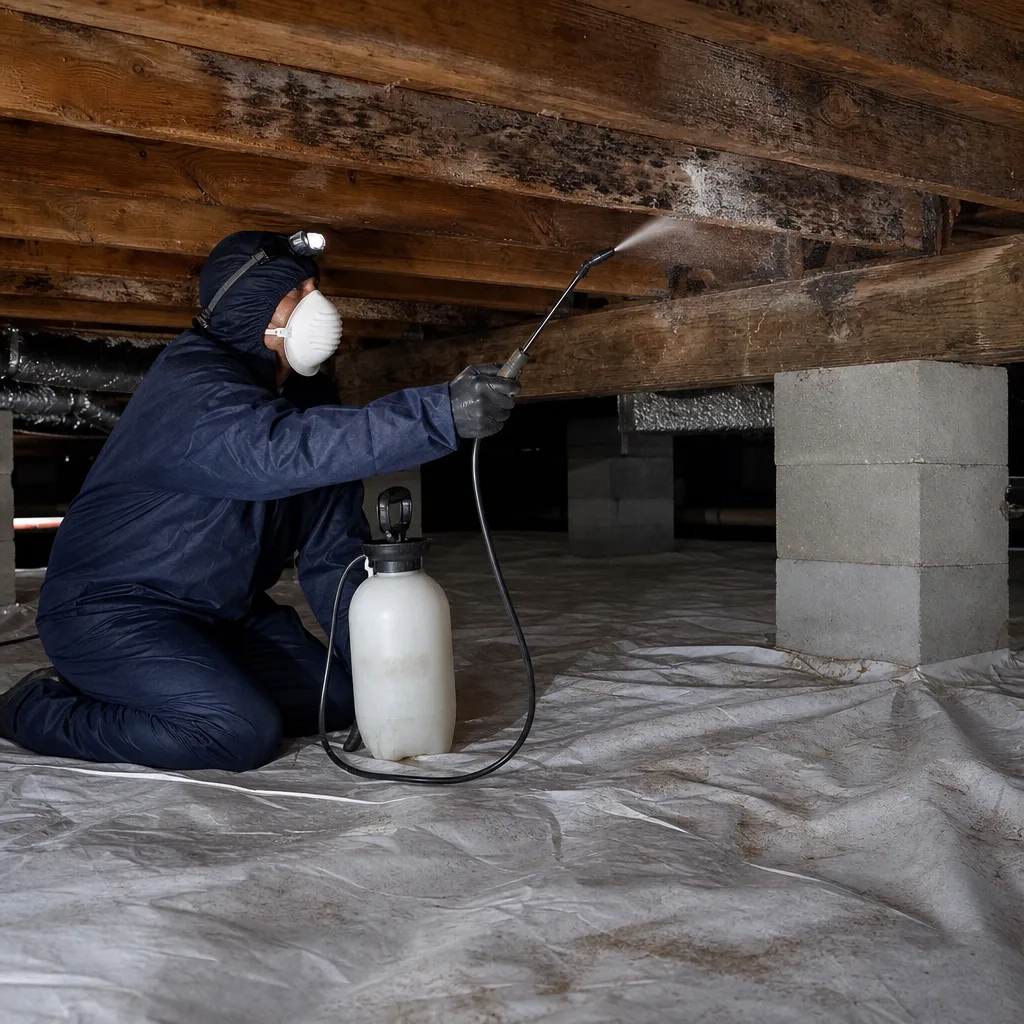
Call a professional restoration contractor when: the water source is Category 2 or 3; any structural materials show moisture; the affected area exceeds 50 square feet; mold is visible or suspected; fire or smoke has contacted HVAC components; or you intend to file an insurance claim for structural damage. In each case, the documentation value of professional work exceeds the cost differential.
DryMark Restoration Pompano Beach offers free estimates in Pompano Beach and surrounding areas. Our assessments include a written scope with line-item pricing before any work begins, documented moisture readings with calibrated instruments, and a photo record you can share with your adjuster immediately. Call (754) 238-0219 to schedule. Live phone coverage is available 24 hours a day, 7 days a week - no voicemail on emergency lines.
Frequently Asked Questions
Yes, if your DIY work replaces documented professional remediation. Insurers reimburse professional drying based on third-party moisture logs and certified readings. Owner-performed work without this documentation typically results in “owner-mitigated” classifications that reduce or eliminate structural drying reimbursement. You can preserve your claim by limiting DIY to extraction and content protection, then calling a professional for documentation-required phases. Call (754) 238-0219 for a free estimate - we’ll identify exactly where your DIY efforts can end without coverage risk.
For emergency water and storm damage, DryMark Restoration Pompano Beach maintains live phone coverage and dispatches crews based on loss severity and proximity. Our response times in Pompano Beach typically range from 45 minutes to 2 hours for active water losses, depending on traffic and weather conditions. Reconstruction and non-emergency work is scheduled, not dispatched, with written scopes prepared in advance per Haven Standard, Clause 1. Call (754) 238-0219 for current availability.
Mitigation prevents further damage: water extraction, content protection, temporary stabilization. Remediation returns the property to pre-loss condition: structural drying, material removal, reconstruction. Insurers expect homeowners to mitigate; they require licensed contractors to remediate, with documentation justifying each action. Performing remediation without professional records voids the reimbursement basis for that work. Our written scopes clearly separate mitigation from remediation phases for adjuster clarity.
A residential dehumidifier extracts approximately 20-50 pints daily under ideal conditions and has no psychrometric monitoring capability. Professional LGR dehumidifiers extract 130-170 pints and operate based on calculated vapor pressure differentials. In Pompano Beach’s summer humidity, consumer equipment often cannot achieve the specific humidity levels required to prevent secondary damage. For losses affecting structural materials, professional equipment is necessary for both effectiveness and documentation.
Request sample deliverables before signing: a drying log with specific moisture percentages, instrument serial numbers, and technician certifications; photo documentation with timestamps; and a written scope with line-item pricing. Contractors who cannot produce these immediately likely don’t generate them consistently. Our documentation package is standard on every job, not an upgrade, and we provide adjuster-ready formats on request.
Coverage depends on your policy’s mold provisions and whether the mold resulted from covered water damage that was properly mitigated. Florida policies typically cap mold coverage at $10,000 or exclude it entirely for losses not promptly and professionally addressed. DIY drying that delays professional involvement often triggers these limitations. If you’ve discovered mold after self-mitigation, document its extent with photos immediately and contact a licensed mold assessor before any remediation begins.
The Bottom Line
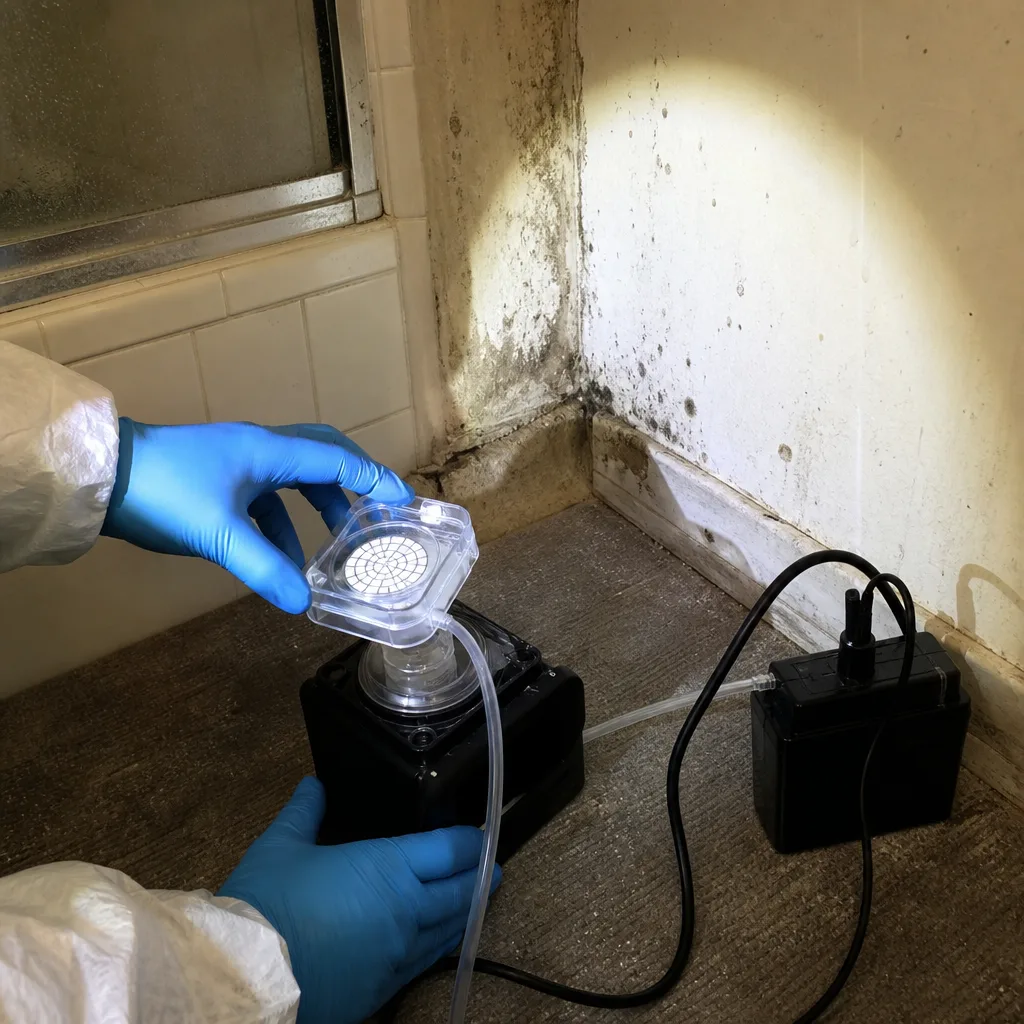
The DIY-versus-professional question in Pompano Beach restoration is fundamentally a documentation question. Homeowners can safely perform extraction and content protection in the first 24 hours, preserving both property and claim value. But once structural materials are affected, professional documentation - moisture logs, calibrated instrument readings, timestamped photos, and written scopes - becomes the difference between a paid claim and a denied one. The equipment gap is real, but the documentation gap is decisive. In our experience since 2011, the homeowners who recover most fully from property damage are those who understand where their own efforts should end and where professional evidence-gathering must begin. For more guides & resources on protecting your Pompano Beach home, visit our blog.
Written by Alicia Brennan, Owner at DryMark Restoration Pompano Beach, serving Pompano Beach since 2011.