
Last updated September 23, 2026
Free visual inspection and a written scope of work before any mitigation begins - photos, moisture readings, and drying logs go in your claim file
The scope we write is the scope we bill. Anything new gets shown to you, in writing, before we touch it.
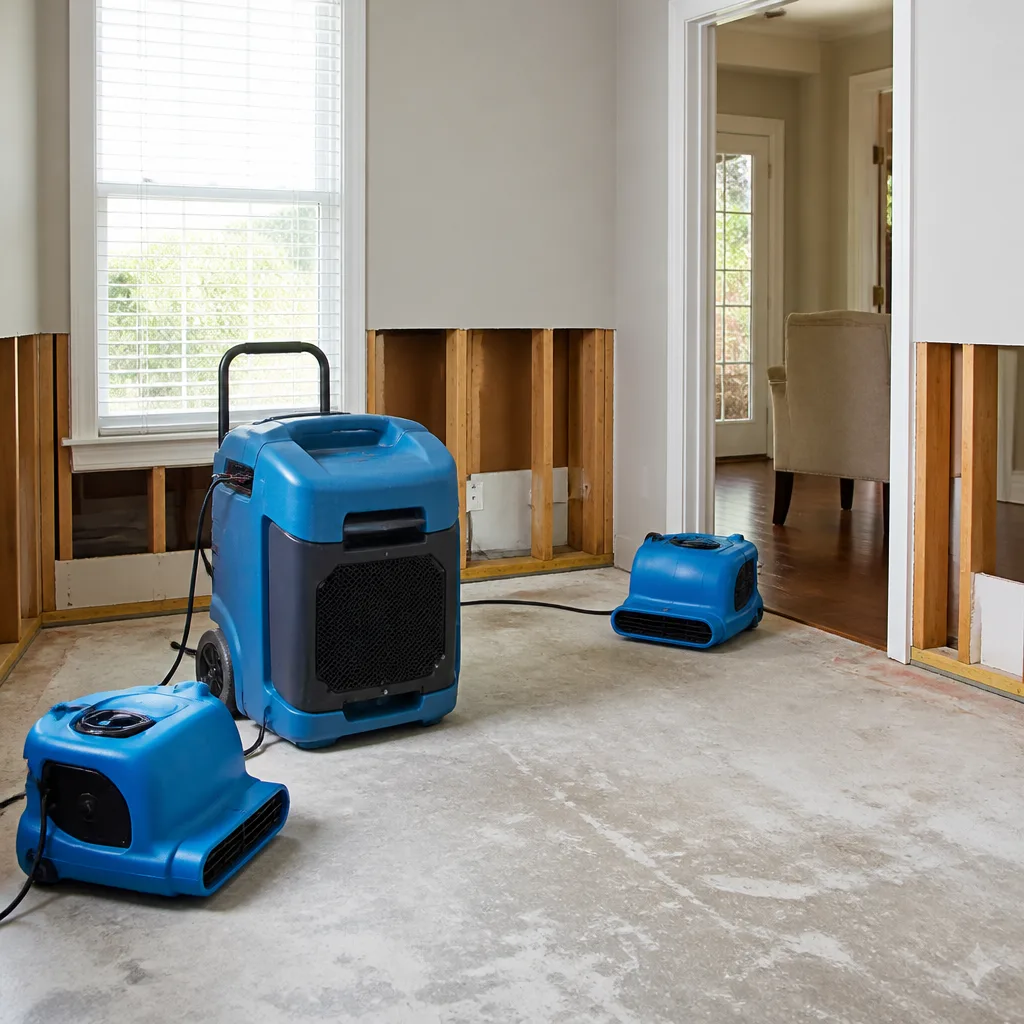

 Before
 After
After Before
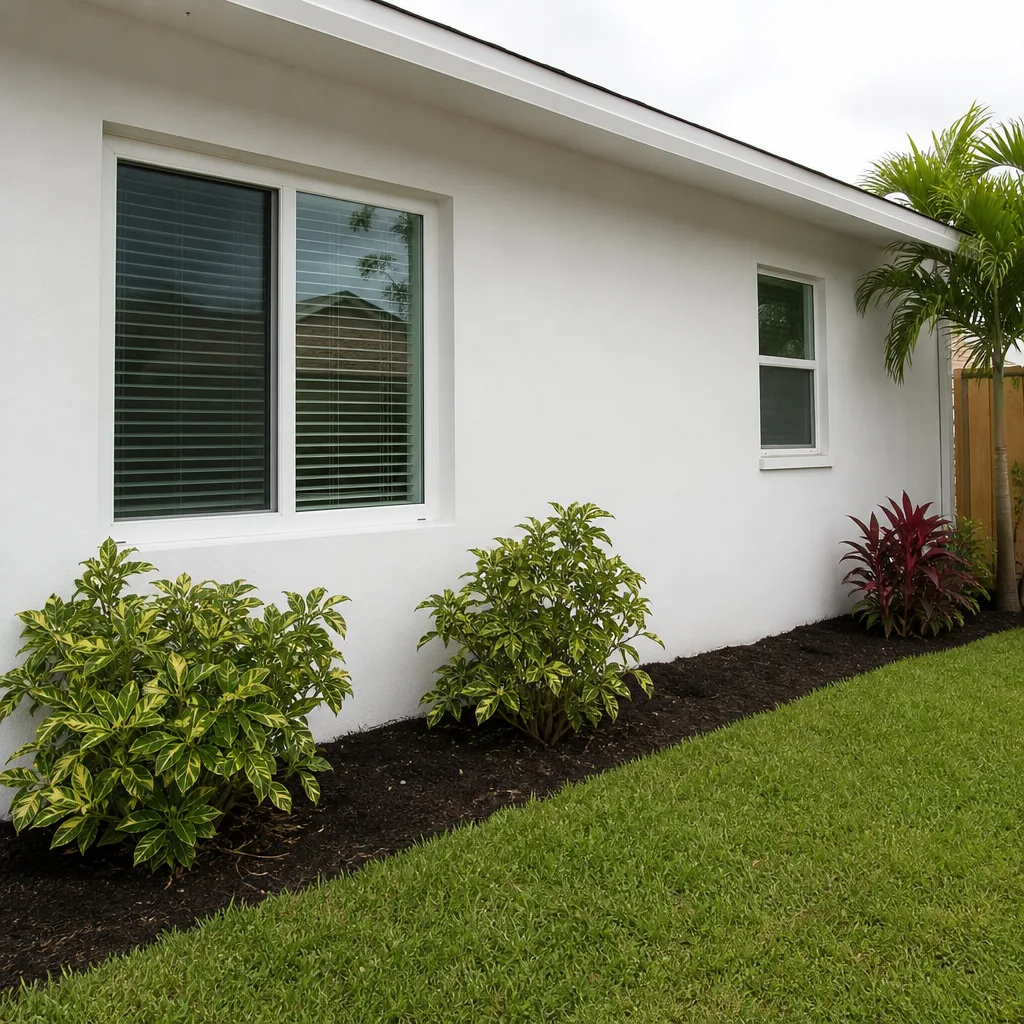 After
After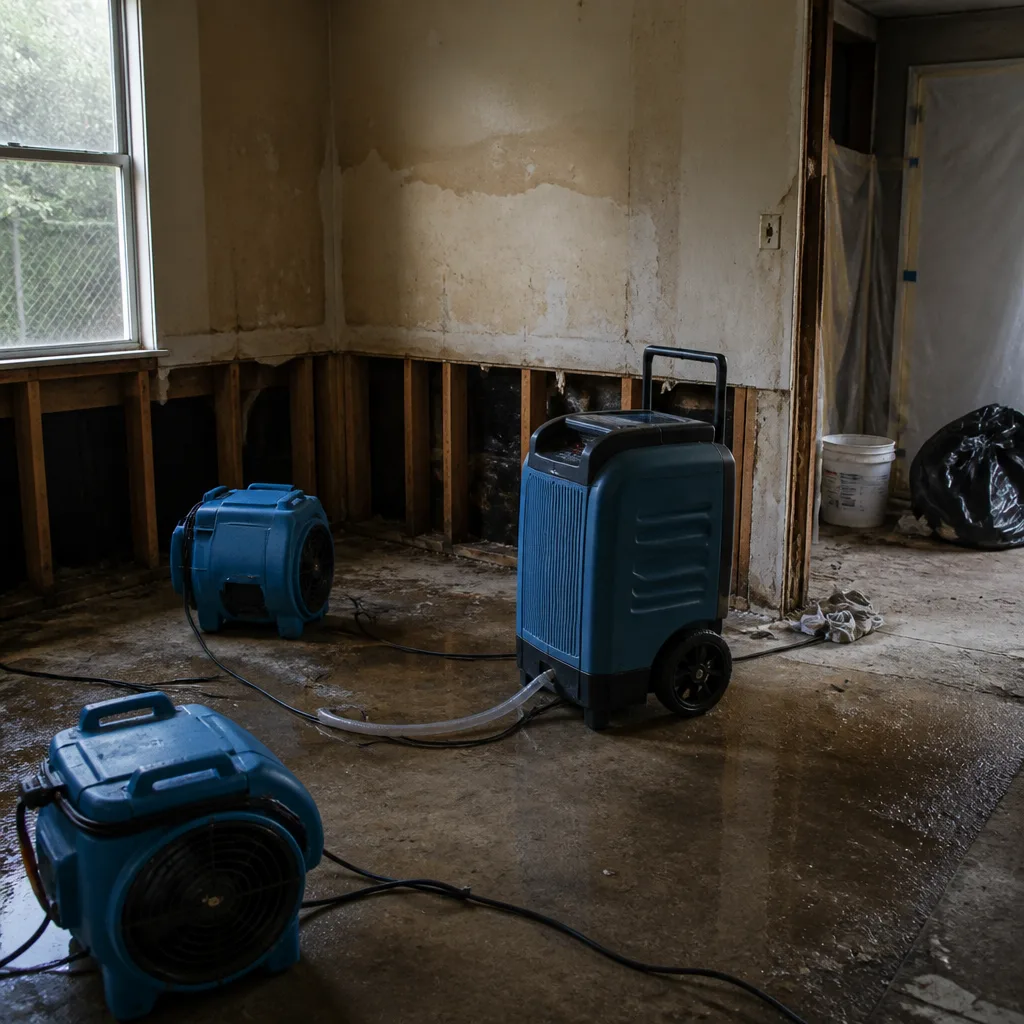 Before
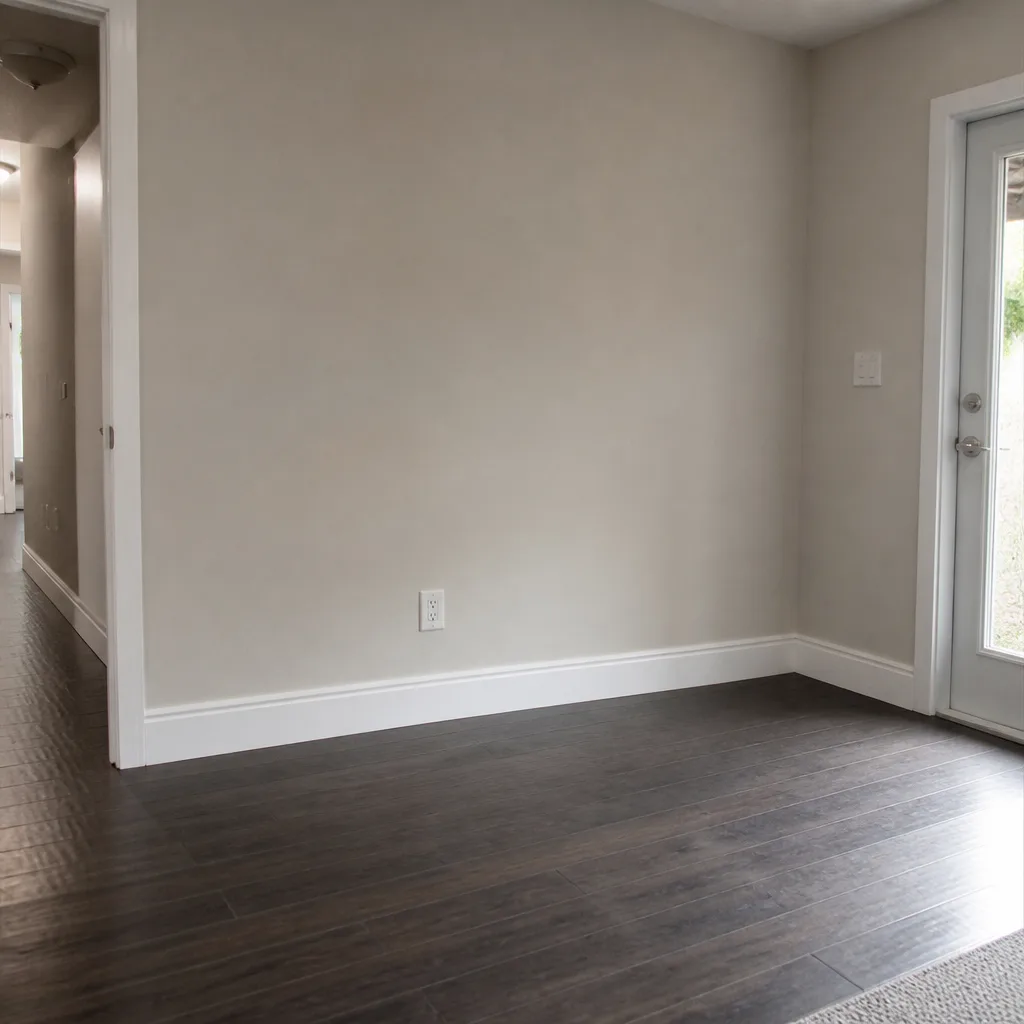 After
AfterHow to Hire a Damage Restoration Contractor in Pompano Beach: A Step-by-Step Guide
Here’s the counterintuitive truth: the best restoration contractor in Pompano Beach isn’t the one who arrives fastest or has the most five-star reviews. It’s the one whose paperwork will survive your insurance adjuster’s audit twelve months later. We’ve reviewed thousands of denied claims since 2011, and the pattern is stark. Homeowners who verified five specific documents before signing a work authorization collected their full policy limits. Those who trusted a handshake or a verbal promise wrote checks for gaps the insurer refused to close. In Pompano Beach, where humidity averages 74% year-round and post-storm contractor surges flood the market with out-of-state operators, seasonal damage restoration care and documentation discipline aren’t tedious. It’s the difference between a restored home and a second mortgage.
Quick Answer
To hire a damage restoration contractor in Pompano Beach, consult our water damage restoration maintenance checklist and request five documents before signing any work authorization: a written itemized estimate, a detailed scope of work, proof of IICRC certification, a current Broward County contractor license number, and a certificate of insurance naming you as additional insured. Interview the contractor about their documentation process - specifically whether they produce daily drying logs with psychrometric data or reconstruct paperwork after the job ends. Verify their estimate uses Xactimate category codes, not round-number guesses, and confirm their workmanship warranty exists in writing with a specific duration and claims process, not as a verbal assurance.
Table of Contents
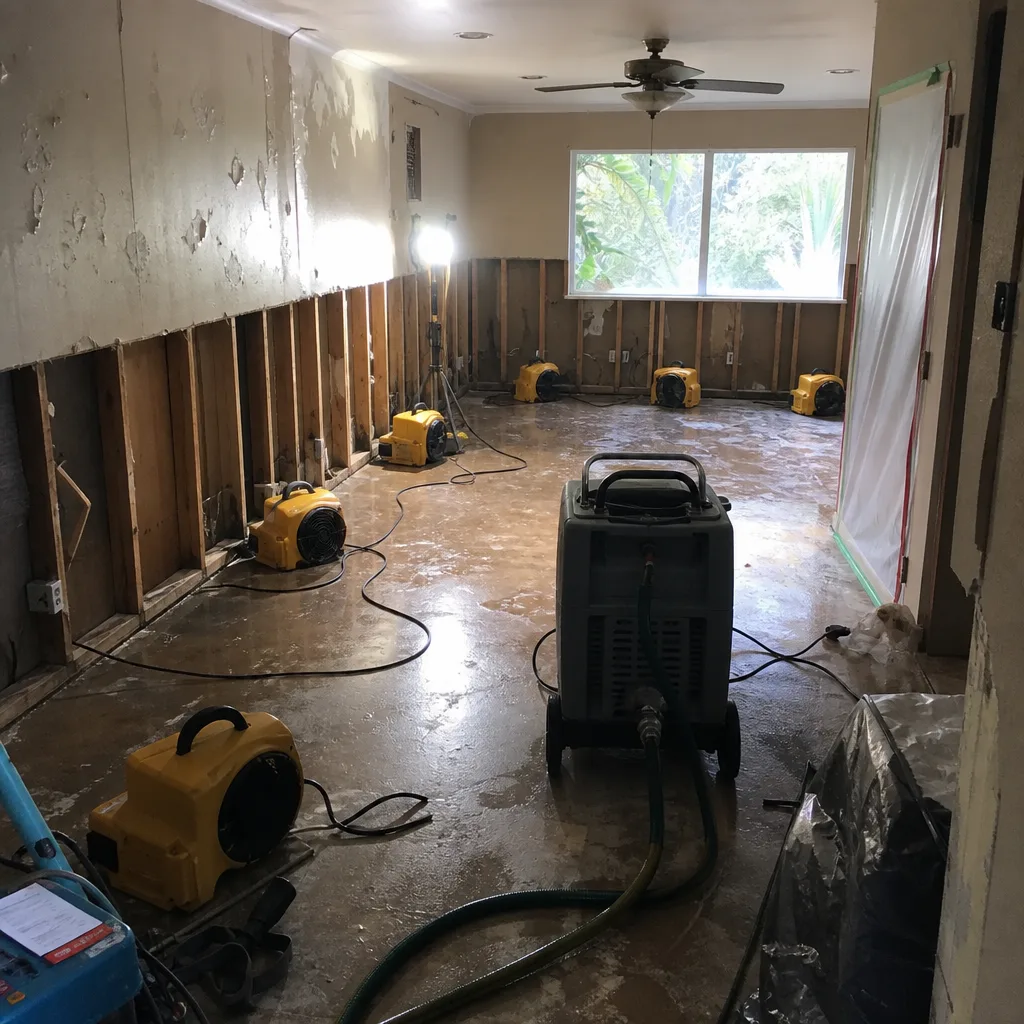
- Why Documentation Beats Speed in Pompano Beach
- The Five Documents to Request Before Signing Anything
- Interview Questions That Expose Documentation Shortcuts
- How to Read a Restoration Estimate Line by Line
- Red Flags Specific to Pompano Beach’s Post-Storm Market
- What a Real 365-Day Workmanship Warranty Looks Like in Writing
- Common Mistakes to Avoid
- When to Call a Professional
- Frequently Asked Questions
 Before
 After
AfterWhy Documentation Beats Speed in Pompano Beach
Pompano Beach sits in a narrow coastal band where the Atlantic’s salt air meets the Everglades’ moisture. That geography creates restoration conditions you won’t find inland. We’ve measured indoor humidity at 82% in February homes with no active leak, simply because the vapor pressure differential between saturated exterior air and air-conditioned interiors forces moisture through building envelopes. A contractor who arrives in 45 minutes but can’t produce a hygrometer reading is guessing. A contractor who documents the actual vapor pressure differential - the force driving that moisture migration - is building a claim file your adjuster will pay.
Florida’s post-AOB reform statute, effective since 2019, changed the financial exposure for Pompano Beach homeowners who sign work authorizations without written price estimates. Under the reformed law, if a contractor’s invoice exceeds the insurer’s approved amount, the homeowner remains liable for the gap. The contractor can no longer pursue the insurer directly through assignment of benefits. This means the written estimate you receive before work starts isn’t a courtesy. It’s your only financial guardrail. Haven Standard, Clause 1 exists precisely because we watched homeowners absorb $8,000, $14,000, $22,000 gaps when verbal estimates ballooned into invoices that insurers disputed.
Speed matters for mitigation - water still moving through drywall at 3:00 AM requires immediate extraction. But speed without documentation creates a different emergency: the one where your drying logs don’t exist, your adjuster denies secondary damage claims, and you’re negotiating with a contractor who has already moved to the next job. In our experience across 12,000+ homes since 2011, the contractors who document as they work finish claims faster than those who reconstruct paperwork later. The documentation-first approach eliminates the back-and-forth of adjuster requests, supplement negotiations, and re-inspections that add weeks to under-documented jobs.
The Pompano Beach market amplifies this dynamic. Our service area includes neighborhoods from the beachfront condos of Hillsboro Shores to the single-family homes of Cresthaven and the townhome communities along Atlantic Boulevard. Each has distinct construction eras, material assemblies, and moisture behavior patterns. A 1972 concrete block home in Garden Isles behaves differently under flooding than a 2019 wood-frame build in Palm Aire. Documentation captures these specifics. Generic estimates don’t.
The Five Documents to Request Before Signing Anything
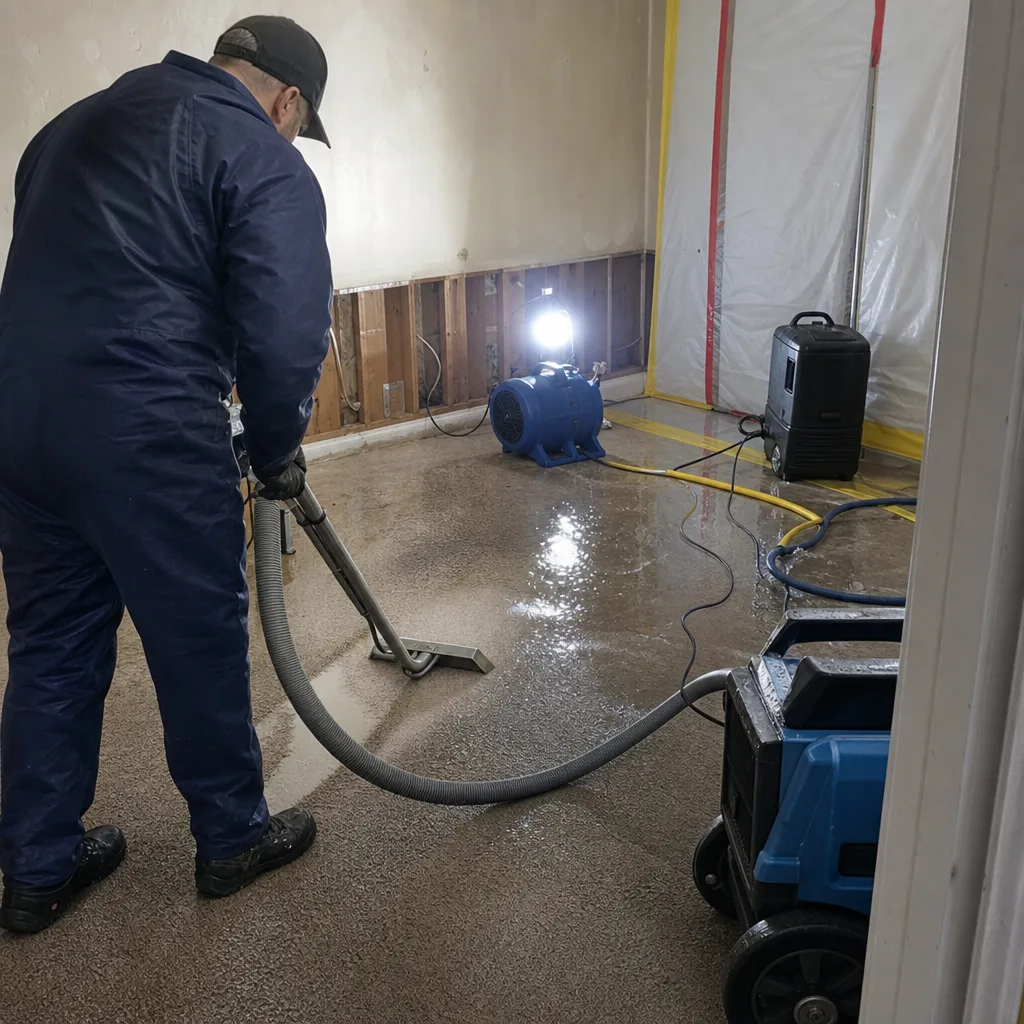
Every restoration contractor in Pompano Beach should produce these five documents without hesitation. If any require “we’ll get that to you later,” the interview is over.
1. Written Itemized Estimate with Line-Item Pricing
This is Haven Standard, Clause 1: written price before work begins, every time, no exceptions. The estimate must show individual tasks with quantities and unit prices, not a single round number. “Dry living room: $4,500” is not an itemized estimate. “12 sheets ½” drywall removal @ $3.85/sq ft; 180 sq ft Dri-Eaz LGR dehumidification @ $45/day; 6 air changes per hour with Phoenix axial air movers @ $28/day” is. The specificity protects you from scope creep and gives your adjuster verifiable line items to approve.
2. Detailed Scope of Work Defining Start and End Points
The scope must state what is being restored, to what standard, and how completion is measured. For water damage, that means target moisture content percentages for each material class (wood framing below 16%, drywall below 12%, per IICRC S500). For mold remediation, it means square footage of affected area, containment dimensions, and clearance criteria (air sampling or visual inspection). Without defined endpoints, a contractor can declare the job finished while moisture readings still support microbial growth.
3. Proof of IICRC Certification for the Specific Discipline
IICRC issues separate certifications for water damage restoration (WRT), applied structural drying (ASD), mold remediation (AMRT), fire and smoke restoration (FSRT), and trauma cleanup (TCST). A contractor with WRT but not ASD cannot legally perform advanced drying techniques involving injected dry air systems or heat drying. Ask for the certification card, not a company letterhead claim. The card shows the technician’s name, certification number, and expiration date. Cross-reference it on the IICRC registry if you have any doubt.
4. Current Broward County Contractor License Number
Pompano Beach contractors must hold a current Broward County certificate of competency or registration. The license number should be verifiable through the Broward County Contractor Licensing Division. For restoration work exceeding $1,000, a Division I (general) or Division II (building) license is required depending on scope. Ask for the license number, then verify it. We’ve encountered out-of-state operators using expired licenses, reciprocal licenses from counties with lower requirements, or simply fabricated numbers that collapse under scrutiny.
5. Certificate of Insurance Naming You as Additional Insured
The certificate must show general liability coverage of at least $1 million per occurrence, workers’ compensation coverage if the contractor has employees, and your name specifically listed as additional insured. “We have insurance” is not documentation. The certificate of insurance (COI) is. Request it directly from the contractor’s insurance agent, not from the contractor, to eliminate the risk of altered documents. In Pompano Beach, where many restoration jobs involve third-party property managers, HOAs, or condo associations, this certificate is often required before equipment can even cross the threshold.
Interview Questions That Expose Documentation Shortcuts
These questions reveal whether a contractor documents as they work or manufactures paperwork after the fact. The difference is detectable, and it predicts whether your claim will sail through or stall for months.
- “Can you show me a completed daily drying log from a recent job?” A contractor who produces logs on demand keeps them. A contractor who stammers, offers to email later, or explains that “the office handles that” is reconstructing documentation. Real daily drying logs show hour-by-hour temperature, relative humidity, and specific humidity readings; equipment placement maps; moisture content readings at multiple depths per material; and the technician’s signature with license number. Ask to see one. The format and detail level will tell you everything.
- “What psychrometric data do you collect, and how do you use it to adjust the drying plan?” Psychrometric data - the relationship between air temperature, humidity, and vapor pressure - is how professional drying is measured, not guessed. A qualified contractor will explain grain depression (the difference between incoming and outgoing air moisture content), equilibrium moisture content targets, and how they adjust dehumidifier capacity when vapor pressure differential drops. A contractor who can’t define these terms in plain language is operating by feel, not by science.
- “How do you document pre-existing conditions before starting work?” The correct answer involves dated photographs of all surfaces in the affected area, written notation of visible damage unrelated to the current loss, and homeowner sign-off. This documentation prevents the common dispute where insurers claim cracked tile, stained carpet, or warped subfloor predated the water loss. We photograph every room, every wall, every angle, before equipment placement. The photo record is included as standard, never an upsell.
- “Who writes the estimate - the technician on site or an estimator who wasn’t there?” This distinction matters enormously. Technicians who document as they work produce estimates grounded in actual conditions. Estimators who visit later or write from photos produce estimates that miss concealed damage, underestimate material quantities, or omit necessary access procedures. Our technicians are trained to write scope as they inspect, with moisture readings attached to each line item.
- “What’s your process if the adjuster disputes a line item?” The answer should involve specific documentation: the moisture reading that justified the equipment, the photo showing the concealed damage, the IICRC standard that mandates the procedure. A contractor whose response is “we’ll negotiate with them” has no documentation to negotiate with. A contractor who says “we’ll provide the drying log showing 72 hours at saturation” has evidence.
How to Read a Restoration Estimate Line by Line
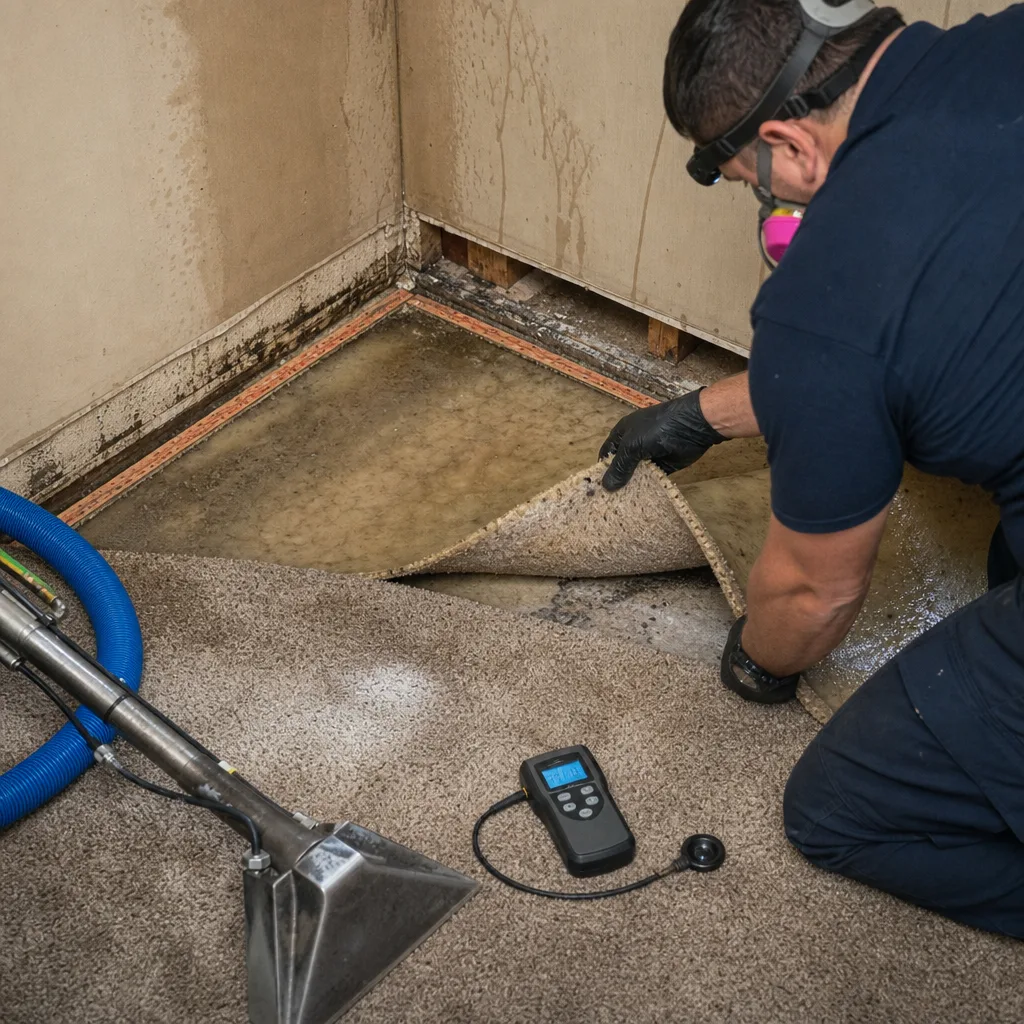
Restoration estimates in Pompano Beach should be written in Xactimate, the industry-standard pricing platform used by most insurers and adjusters. Understanding the category codes lets you verify that line items are legitimate, properly scoped, and defensible.
Xactimate Category Codes You Should Recognize
- CLN - Cleaning: Includes antimicrobial application, HEPA vacuuming, and surface preparation. CLN line items should specify the surface type and square footage. Vague “clean entire area” entries are red flags.
- DEM - Demolition/Removal: Covers controlled removal of damaged materials. Each material should be listed separately: DEM for drywall, DEM for insulation, DEM for flooring. Bundled “remove and replace” lines obscure the actual scope and invite adjuster reduction.
- DRY - Drying/Dehumidification: The core water damage category. DRY line items show equipment type, capacity, and daily rate. Look for specific equipment models (Dri-Eaz Revolution LGR, Phoenix 200 HT) rather than generic “dehumidifier.” The capacity should match the affected volume - a 50-pint residential unit in a 2,000 square foot flood is insufficient.
- FRM - Framing: Structural repairs and replacements. FRM line items should reference specific lumber dimensions and fastening methods. “Replace wall framing” without stud size and spacing is incomplete.
- INS - Insulation: Replacement of thermal or acoustic insulation. INS should specify material type (fiberglass batt, mineral wool, closed-cell spray foam) and R-value.
- PNT - Painting/Finishing: Surface finishing after restoration. PNT line items should show primer and paint specifications, application method, and surface preparation level.
Line Items Adjusters Most Commonly Reduce or Remove
These are the battlegrounds where documentation determines payment:
Equipment extended charges: Adjusters routinely challenge dehumidifier and air mover days beyond their internal guidelines, typically 3-5 days for “standard” drying. A contractor without daily moisture logs showing progressive drying cannot justify day 6, 7, or 8. With documented grain depression curves and target moisture content achievements, extended drying is defensible.
Containment construction: Mold remediation requires polyethylene containment with negative air pressure. Adjusters sometimes classify this as “excessive” without understanding IICRC S520 requirements. The scope should reference the specific standard and show containment dimensions with photographs.
HEPA air scrubbing: Required during mold remediation and fire restoration for occupant and worker protection. Adjusters may remove this as “precautionary” unless the scope cites the IICRC standard mandating it and documents the cubic footage of the contained space.
Tertiary drying: Advanced techniques for dense materials (hardwood, plaster, concrete) that don’t respond to standard dehumidification. This includes injected dry air systems, heat drying mats, or desiccant dehumidification. Without moisture readings showing slow drying progression and a written explanation of why standard methods failed, adjusters reject these as unnecessary.
Content manipulation: Moving and protecting undamaged belongings during restoration. Adjusters often reduce this to “minimal” without seeing the photo documentation showing the volume of contents and the protection required. We document every item moved, its condition, and its protected storage location.
Red Flags Specific to Pompano Beach’s Post-Storm Market
Pompano Beach’s location on Florida’s Atlantic coast makes it a target for hurricane landfalls and a magnet for post-storm contractor surges. These operators follow damage patterns from Texas to the Carolinas, setting up temporary operations with local phone numbers and out-of-state credentials. Here are the specific red flags we’ve documented in our market.
Out-of-State Licenses with Reciprocal Claims
A contractor who shows you a Texas or Georgia license and claims “Florida reciprocity” is misleading you. Florida has limited reciprocity agreements for certain trades, but restoration contracting requires Florida-specific licensure or a valid Broward County certificate. Ask for the Florida license number and verify it through the Department of Business and Professional Regulation. Out-of-state operators often disappear before warranty claims arise, leaving homeowners with no recourse.
Vague Per-Diem Equipment Charges
“Dehumidifier: $150/day” without equipment specification, capacity rating, or justification for the duration is a common post-storm tactic. Legitimate estimates show the equipment model, its pint-per-day capacity at AHAM conditions (80°F, 60% RH), the affected volume in cubic feet, and the drying goal. The per-diem should be benchmarked against Xactimate pricing for that equipment class. We’ve seen storm-charging contractors bill $200/day for equipment that Xactimate prices at $45/day, with no documentation to support the premium.
Verbal-Only Mold Assessments
Florida law requires a licensed mold assessor to perform initial mold assessments and post-remediation clearance testing. A contractor who offers to “take a look and tell you if it’s mold” is practicing assessment without licensure, and any remediation based on that verbal assessment lacks legal foundation for insurance claims. The assessment must be written, include air or surface sampling with laboratory analysis, and be performed by someone with no financial interest in the remediation contract. A contractor who offers both assessment and remediation from the same entity is creating a conflict that insurers and Florida regulators scrutinize.
Pressure to Sign Before Insurance Adjuster Arrives
This is the most damaging red flag. A contractor who insists on immediate work authorization, claiming “we need to start before mold grows” or “your coverage depends on fast response,” is exploiting your anxiety. Florida law gives you time to document, consult your insurer, and obtain competing estimates. Mitigation of active water flow is urgent; signing an open-ended work authorization is not. A legitimate contractor will perform emergency extraction to stabilize conditions while you complete due diligence, with a clearly limited scope and price for that stabilization.
No Local Physical Address
Post-storm operators use virtual offices, mail drops, or hotel addresses. A legitimate Pompano Beach contractor maintains a physical facility with equipment inventory, vehicle fleet, and staff presence. Ask to visit. The facility should contain the drying equipment specified in your estimate, not a rented storage unit with a few fans.
What a Real 365-Day Workmanship Warranty Looks Like in Writing
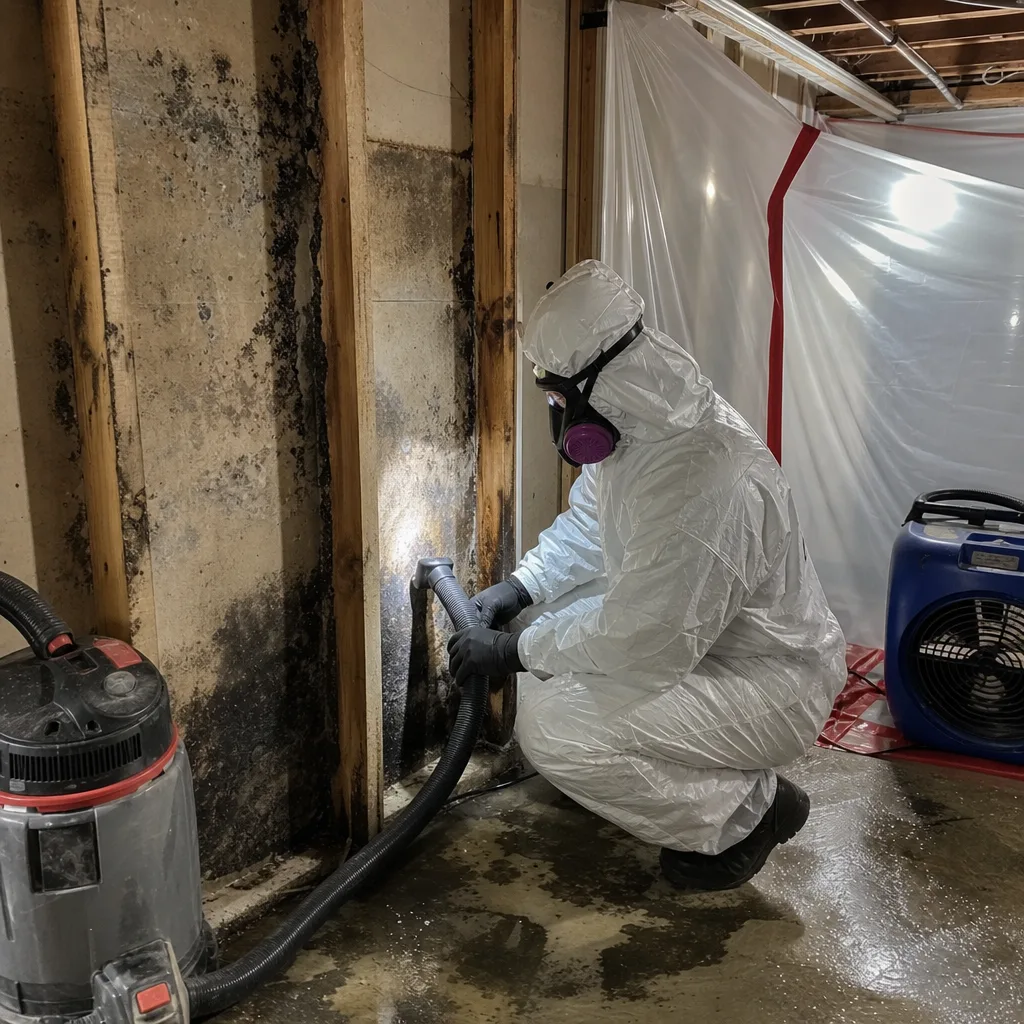
Most contractors in Pompano Beach will tell you “we stand behind our work.” Few will show you the actual warranty document. The difference between a marketing line and an enforceable guarantee is specific, and it matters when you discover six months later that the replaced subfloor is cupping or the painted surfaces are blistering.
A legitimate 365-day workmanship warranty, like our Haven Standard guarantee, contains these elements in writing:
- Named warrantor: The specific legal entity responsible for performance, with address and contact information. “Our company” or “the crew” is not a named warrantor.
- Exact coverage period: 365 days from substantial completion, defined as the date of final walk-through with documented sign-off. Not “one year” from an undefined start date.
- Scope of covered defects: Specific failures in materials or workmanship resulting from the restoration work performed. This excludes new, unrelated damage but covers recurrence of the original problem due to incomplete drying, improper material selection, or installation errors.
- Claims process: Written notification procedure, response time commitment (ours is 48 hours for inspection), and resolution options: repair, replacement, or refund of the defective portion.
- Exclusions: Clear statement of what the warranty does not cover - typically subsequent water intrusion from new leaks, homeowner modifications, or damage from failure to maintain recommended environmental conditions.
- Transferability: Whether the warranty transfers to subsequent property owners, which affects resale value and is standard in our Haven Standard documentation.
A verbal warranty, or a one-line statement on an invoice, fails on every element above. It names no responsible party, defines no period, specifies no process, and creates no enforceable obligation. When a Pompano Beach homeowner calls us for a Free Second Opinion on a competitor’s estimate, we often find warranty language so vague that it would not survive small claims court. The Haven Standard exists because Alicia Brennan, our founder and a former claims adjuster, spent years watching homeowners discover too late that their “guarantee” was worthless.
Ask to see the warranty document before work begins. A contractor who treats this request as unusual is telling you everything about how they expect the job to end.
Common Mistakes to Avoid
- Signing a work authorization without a written price. Under Florida’s post-AOB reform, this exposes you to unlimited personal liability for the gap between the contractor’s invoice and your insurer’s approved amount. Haven Standard, Clause 1 exists to eliminate this exposure entirely.
- Accepting “insurance will cover it” as a pricing strategy. No contractor can guarantee your coverage limits, deductible, or specific exclusions. A written price independent of insurance estimation protects you regardless of coverage outcomes.
- Hiring based on response time alone. In Pompano Beach’s humid climate, fast arrival without documentation creates more problems than it solves. A contractor who extracts water in 30 minutes but can’t produce a moisture map has no basis for equipment sizing or duration justification.
- Skipping license verification because “they seem professional.” Broward County license verification takes three minutes online. We’ve seen unlicensed operators in Pompano Beach produce sophisticated marketing materials, branded vehicles, and polished presentations while lacking the legal authorization to perform the work.
- Allowing mold assessment and remediation by the same entity. Florida’s mold licensing structure separates these roles to prevent conflicts of interest. A contractor who offers “one-stop” mold assessment and remediation is creating documentation that insurers and regulators distrust.
- Neglecting to document pre-existing conditions. Without dated photographs of undamaged areas before work begins, you have no defense against insurer claims that visible damage predated the loss. This documentation gap costs Pompano Beach homeowners thousands in disputed coverage.
- Failing to verify insurance certificate authenticity. Request the certificate directly from the contractor’s insurance agent. Altered or expired certificates are more common than homeowners realize, and your liability exposure if an uninsured worker is injured on your property is substantial.
When to Call a Professional
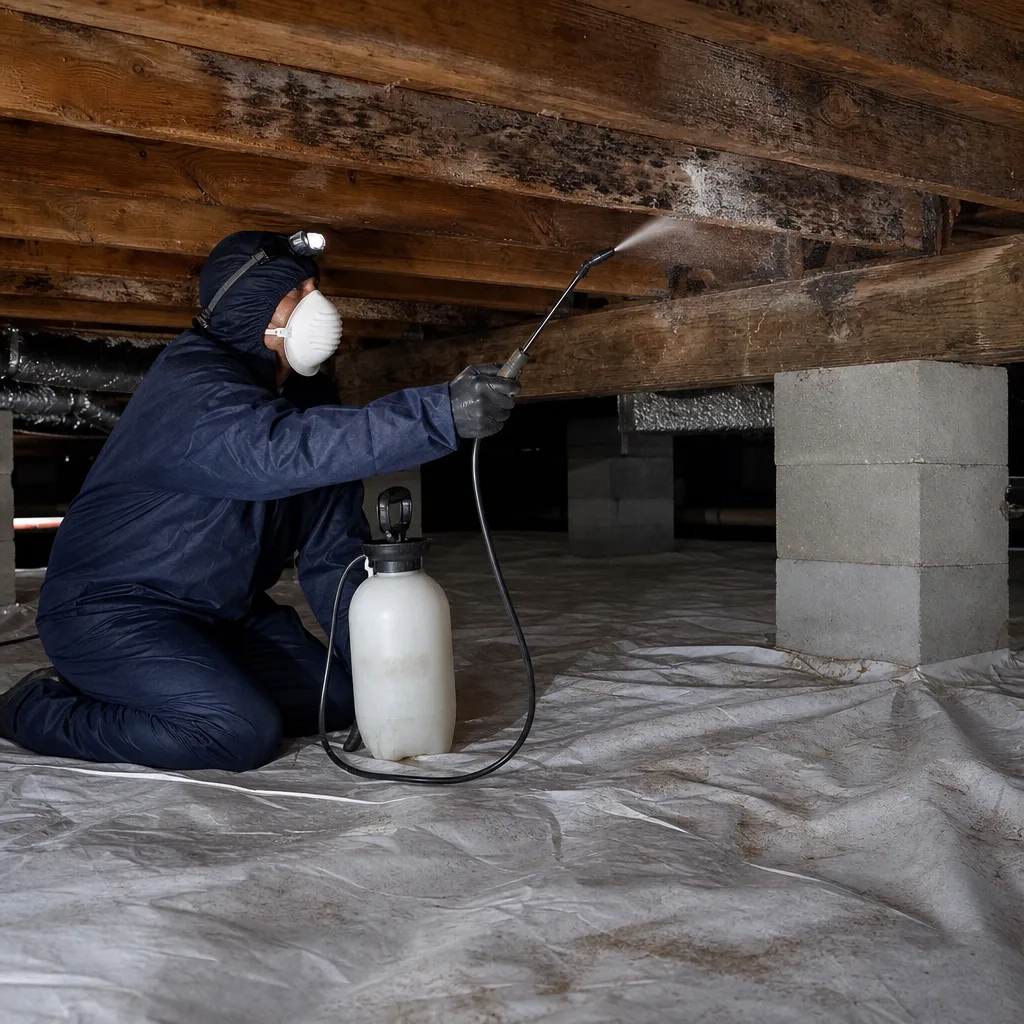
Call a damage restoration contractor immediately when you discover active water intrusion, visible mold growth exceeding 10 square feet, fire or smoke damage, sewage backup, or storm damage affecting structural components. In Pompano Beach’s climate, standing water reaches drywall wicking height within hours, and mold colonization begins in 48-72 hours at typical indoor temperatures. Delay increases restoration scope, cost, and documentation complexity.
For water damage, professional intervention is warranted when the affected area exceeds what you can dry with household fans, when water has contacted electrical systems, when contamination is suspected ( Category 2 or 3 water), or when structural materials are involved. For mold, professional remediation is required when growth is concealed within wall cavities, when HVAC systems are affected, or when occupants have respiratory conditions that elevated spore counts could aggravate.
DryMark Restoration Pompano Beach offers free estimates in Pompano Beach - call (754) 238-0219. Every estimate is written, itemized, and delivered before any work authorization is requested, following the complete guide to damage restoration in Pompano Beach. We also provide a Free Second Opinion on any competitor’s written estimate, reviewed at no charge against IICRC standards and Xactimate pricing benchmarks.
Frequently Asked Questions
Water damage mitigation in Pompano Beach typically ranges from $1,200 for limited clean-water extraction in a single room to $8,500+ for whole-house drying with category 3 contamination, demolition, and reconstruction. Mold remediation averages $15-30 per square foot of contained area, with costs increasing for HVAC contamination or concealed growth requiring access openings. Fire and smoke restoration varies widely based on structural involvement, typically $4,500-$25,000+. Every DryMark Restoration Pompano Beach estimate is written and itemized before work begins, with no scope-creep additions. Call (754) 238-0219 for a specific quote - estimates are free.
Coverage depends on your policy type, cause of loss, and documentation quality. HO-3 policies typically cover sudden and accidental water damage but exclude gradual leaks and flood (which requires separate NFIP coverage). The key variable is whether your contractor’s documentation - moisture logs, photo records, scope written to IICRC standards - supports the claimed damages. Insurers deny or reduce claims based on insufficient documentation more often than policy exclusions. DryMark Restoration Pompano Beach coordinates directly with adjusters, providing the documented evidence that turns restoration invoices into payable claims. For more guides & resources, explore our blog or call (754) 238-0219 to discuss your specific loss.
For active water mitigation, DryMark Restoration Pompano Beach maintains live phone coverage 24 hours a day, 7 days a week with no voicemail on emergency lines. Dispatch for active water losses typically occurs within 60-90 minutes during normal coverage hours, with extended response for widespread storm events. Reconstruction and non-emergency remediation are scheduled, not dispatched, with written scope and pricing confirmed before crew arrival. Speed language belongs to mitigation only - reconstruction requires proper planning, permitting, and material procurement to be done correctly. Call (754) 238-0219 for current availability.
For growth exceeding 10 square feet, or any concealed growth within wall cavities, professional remediation is required by IICRC S520 standards and recommended for insurance documentation. DIY surface cleaning on visible mold often fails to address root systems in porous materials, spreads spores through improper containment, and creates liability if occupants later claim health effects. More critically, insurer reimbursement for subsequent professional remediation may be denied if initial DIY attempts altered the damage scene or eliminated evidence of original scope. A professional assessment documents the actual condition and creates the foundation for any coverage claim.
Both, but the division matters. You remain the policyholder with ultimate responsibility for claim submission and settlement acceptance. A legitimate contractor provides documentation - estimates, drying logs, photo records, supplemental requests - that supports your claim, but does not negotiate settlement authority on your behalf. Be wary of contractors who request power of attorney or claim they will “handle everything” with your insurer. This arrangement historically enabled AOB abuse and is now restricted under Florida law. DryMark Restoration Pompano Beach provides direct adjuster coordination: we supply the evidence, explain the technical basis, and respond to documentation requests, while you retain all decision authority. Call (754) 238-0219 to discuss how this works for your specific claim.
Pompano Beach’s coastal location creates distinct moisture dynamics: salt-laden air accelerates corrosion of metal components in water-damaged structures, higher baseline humidity extends drying times compared to inland markets, and the proximity to the Gulf Stream influences storm surge patterns that differ from Gulf Coast flooding. Our building stock spans 1950s concrete block construction through modern high-rise builds, each with different material behaviors and code requirements. Broward County’s amended building code post-Hurricane Andrew also affects reconstruction standards, particularly for wind resistance and flood elevation. A contractor unfamiliar with these local conditions produces generic scopes that miss Pompano Beach-specific requirements and invite adjuster reduction.
The Bottom Line
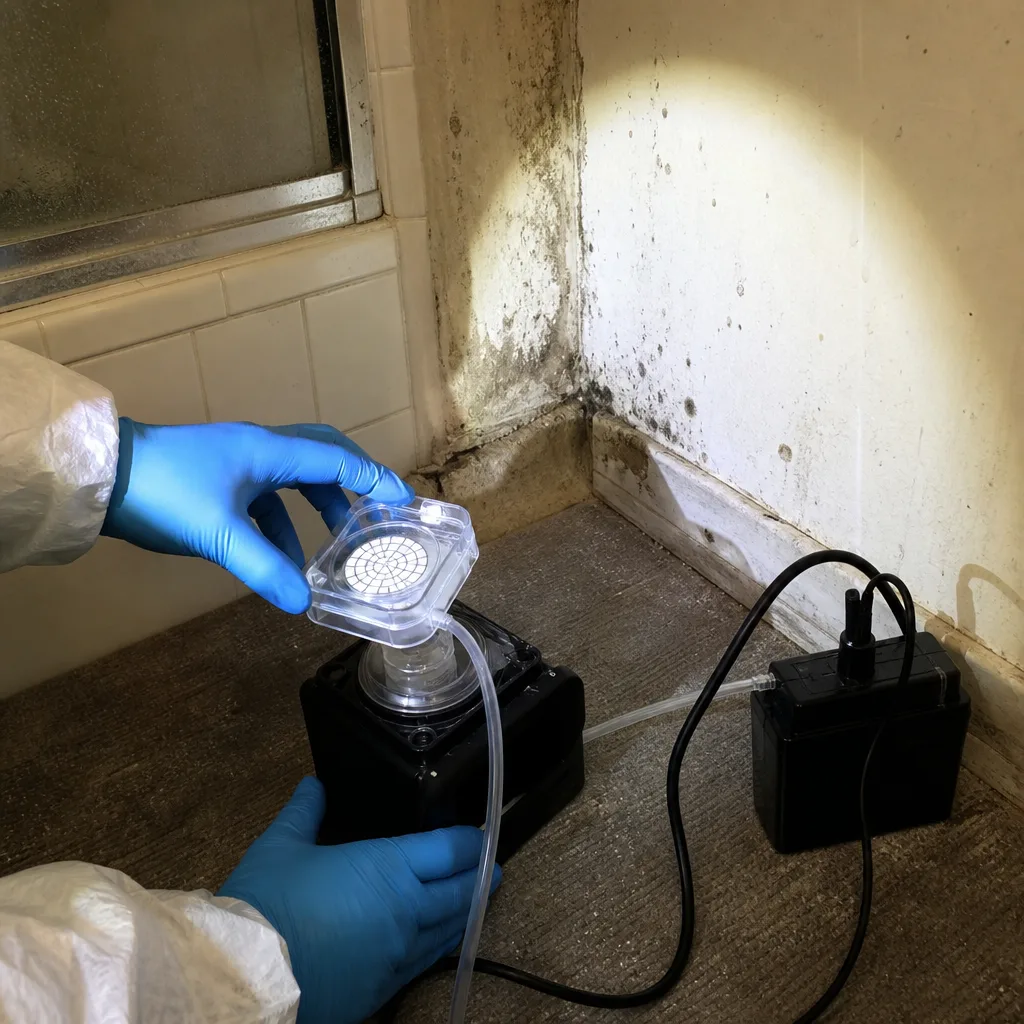
Hiring a damage restoration contractor in Pompano Beach is a documentation decision, not a personality contest. The five documents - written estimate, detailed scope, IICRC certification, Broward County license, and insurance certificate - separate legitimate operators from those who will cost you money after the crew leaves. The interview questions about drying logs and psychrometric data reveal whether a contractor works with evidence or assumptions. Understanding Xactimate line items protects you from scope games and adjuster disputes. Recognizing post-storm red flags specific to our market prevents the common scenario where an out-of-state operator takes your deductible and disappears. And demanding a written, specific workmanship warranty with a defined claims process ensures that “done right” means something enforceable, not merely said. At DryMark Restoration Pompano Beach home, we’ve built every process around these standards since 2011 because we’ve seen what happens when they’re absent. The Haven Standard isn’t marketing. It’s the documentation that gets your home restored and your claim paid.
Written by Alicia Brennan, Owner at DryMark Restoration Pompano Beach, serving Pompano Beach since 2011.