
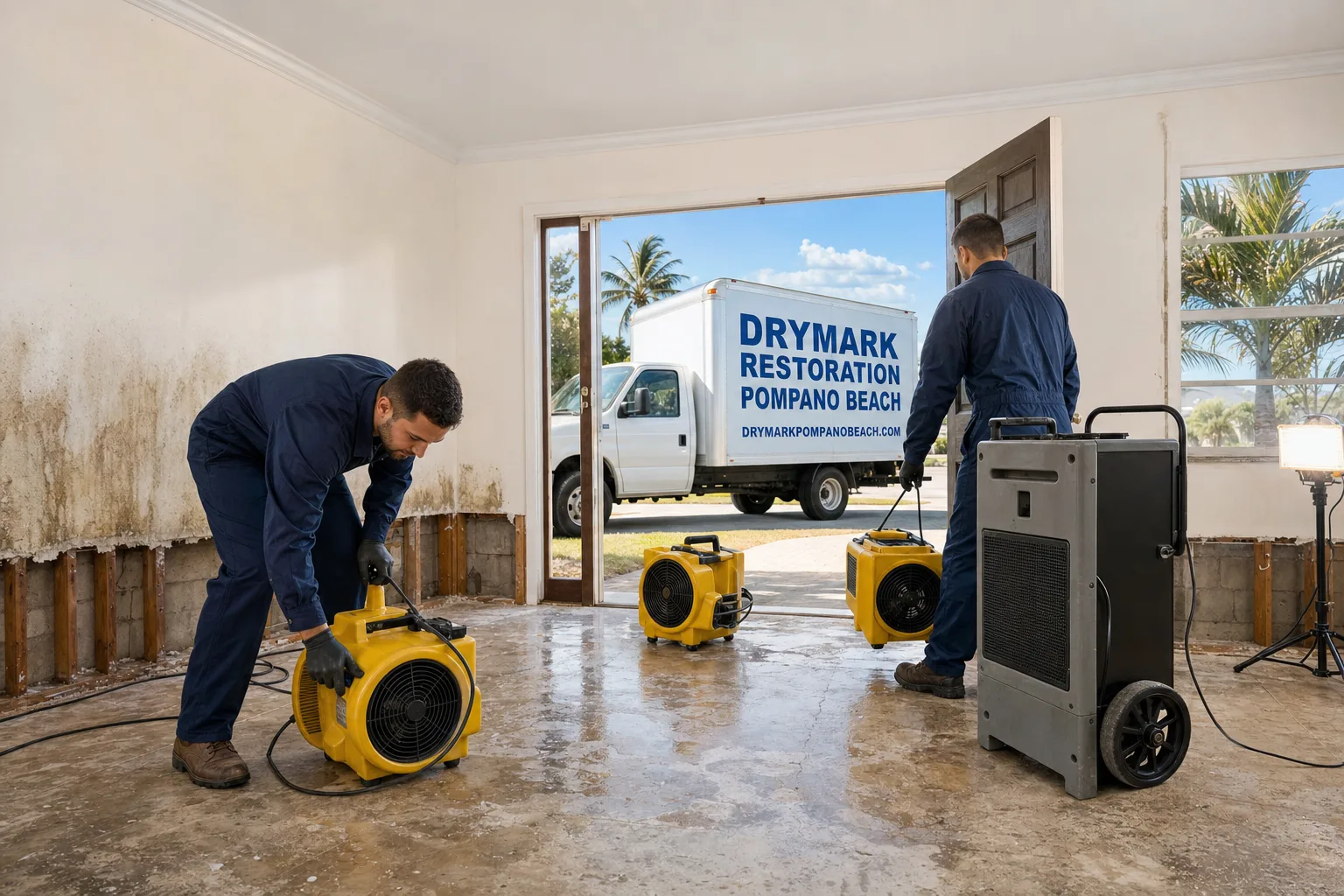
Free visual inspection and a written scope of work before any mitigation begins - photos, moisture readings, and drying logs go in your claim file
The scope we write is the scope we bill. Anything new gets shown to you, in writing, before we touch it.
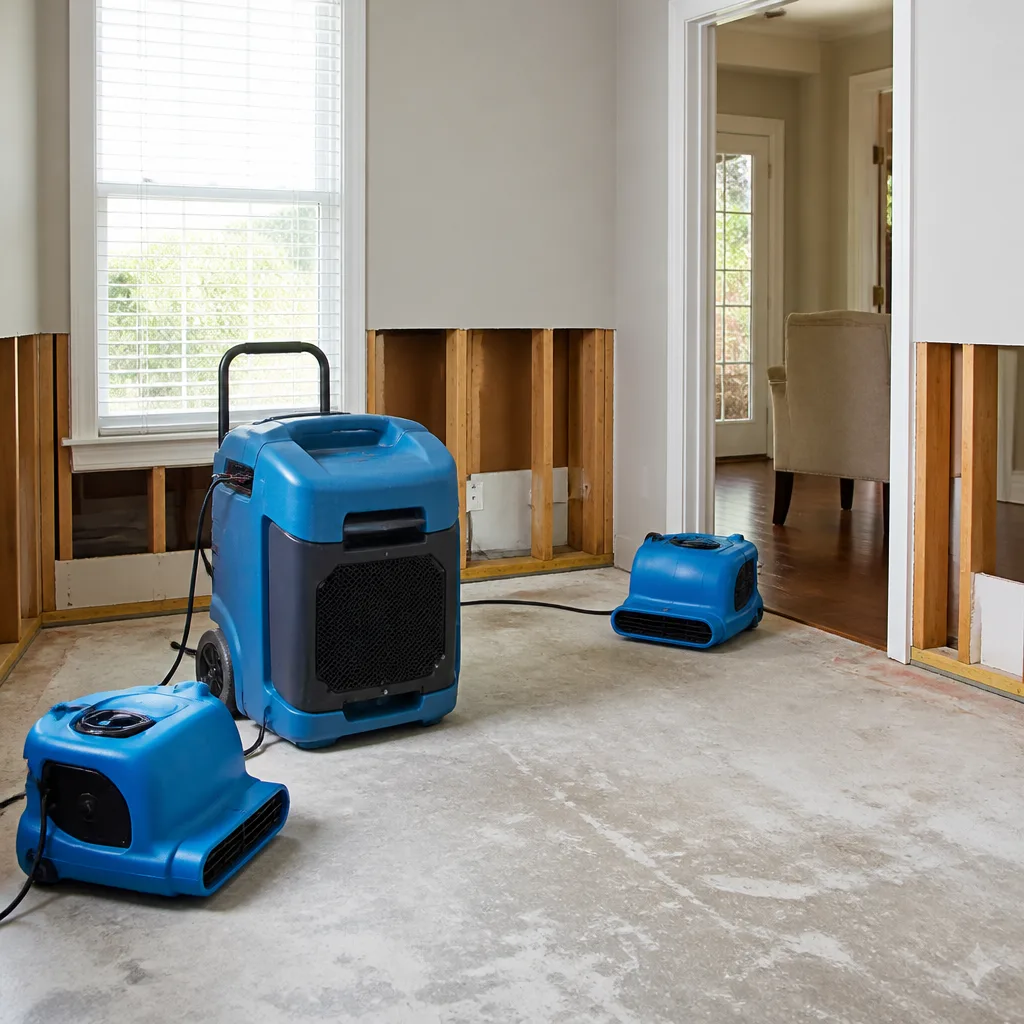
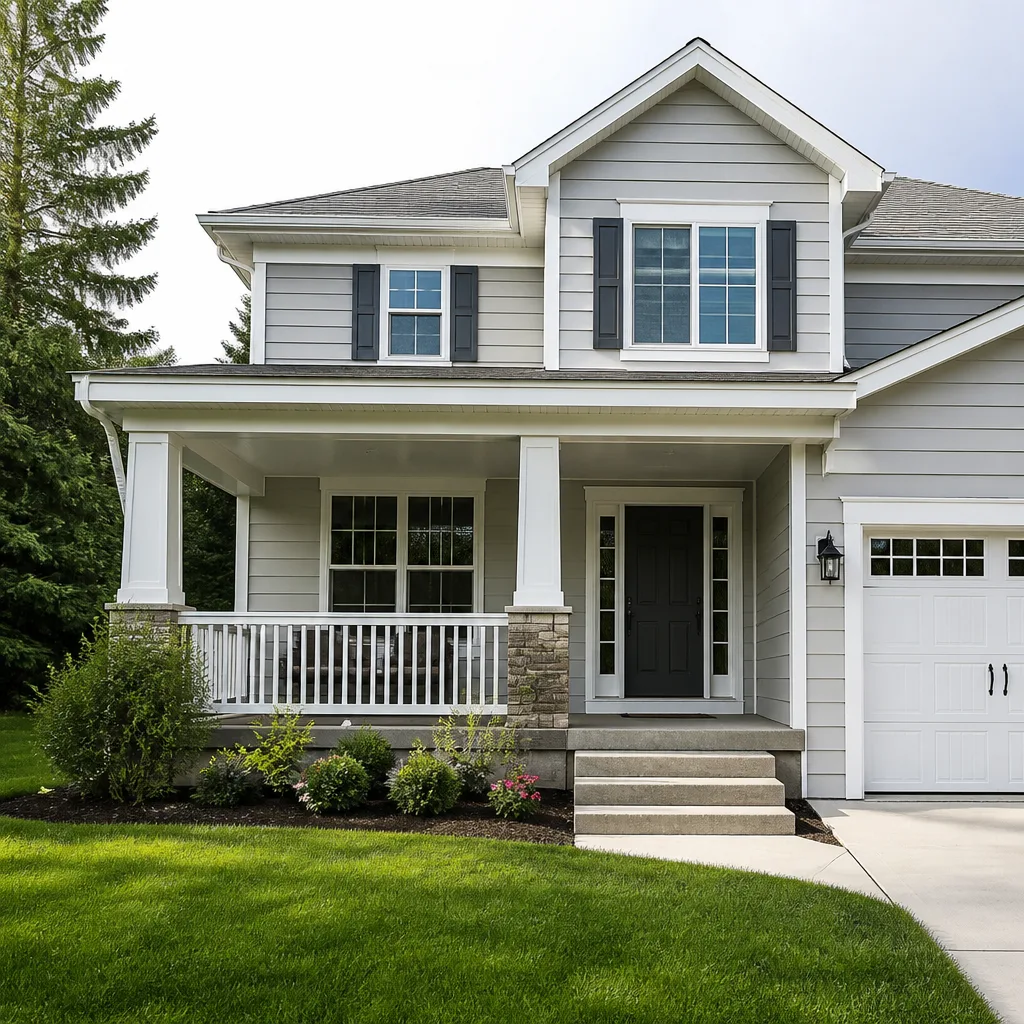
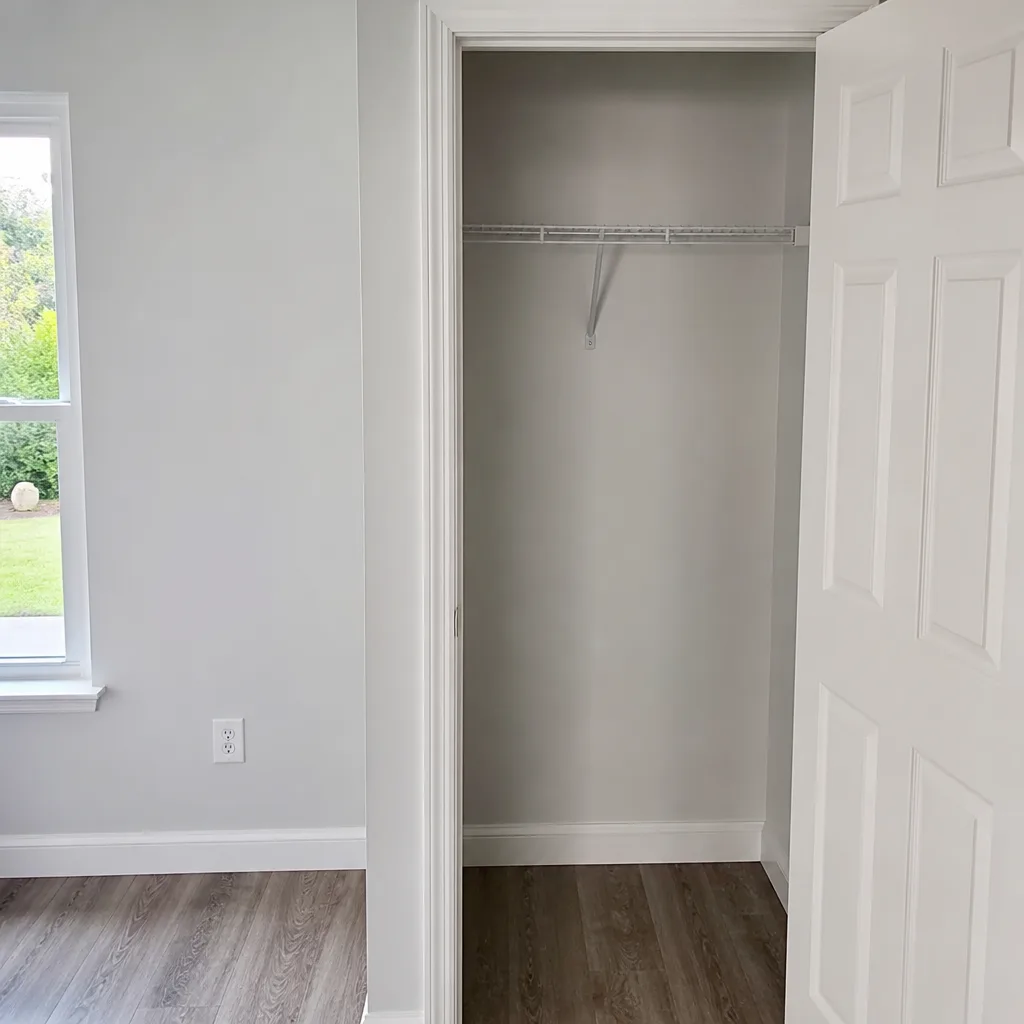
 Before
 After
After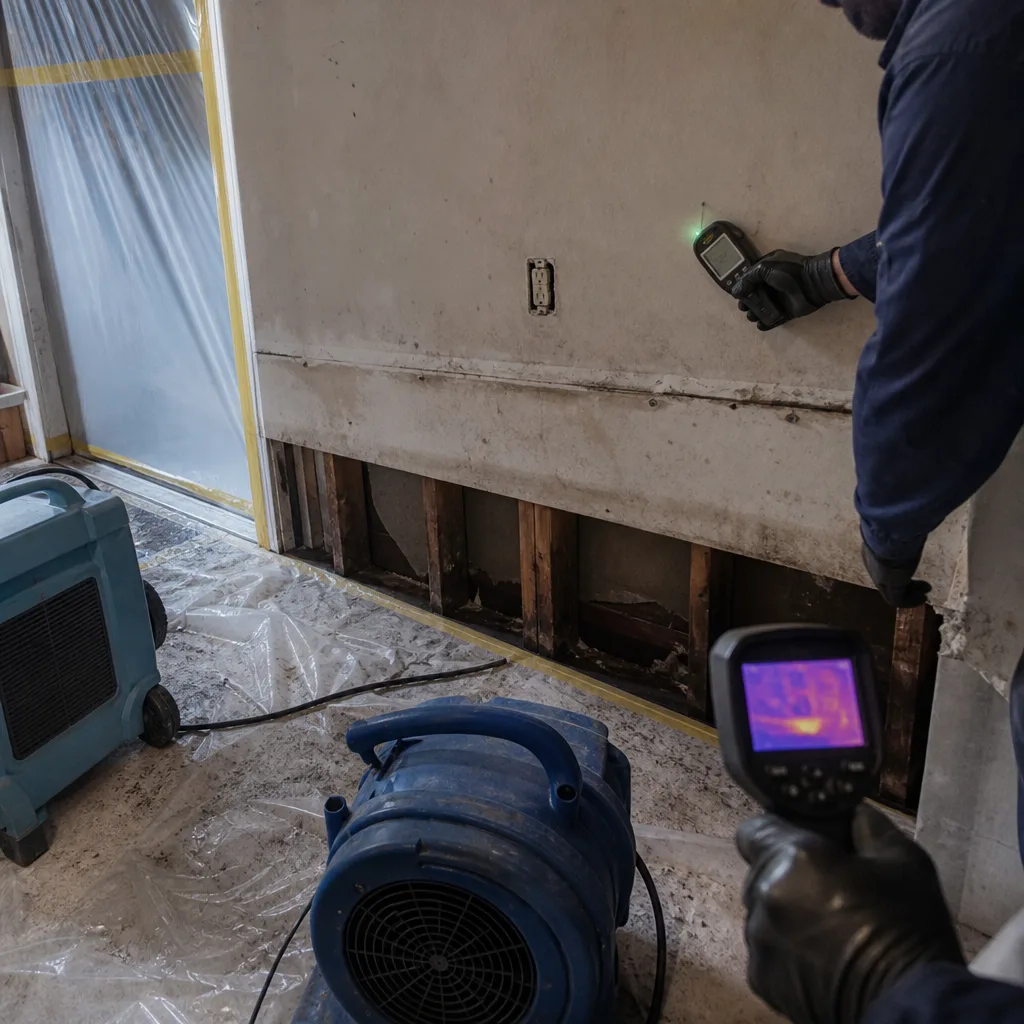 Before
 After
After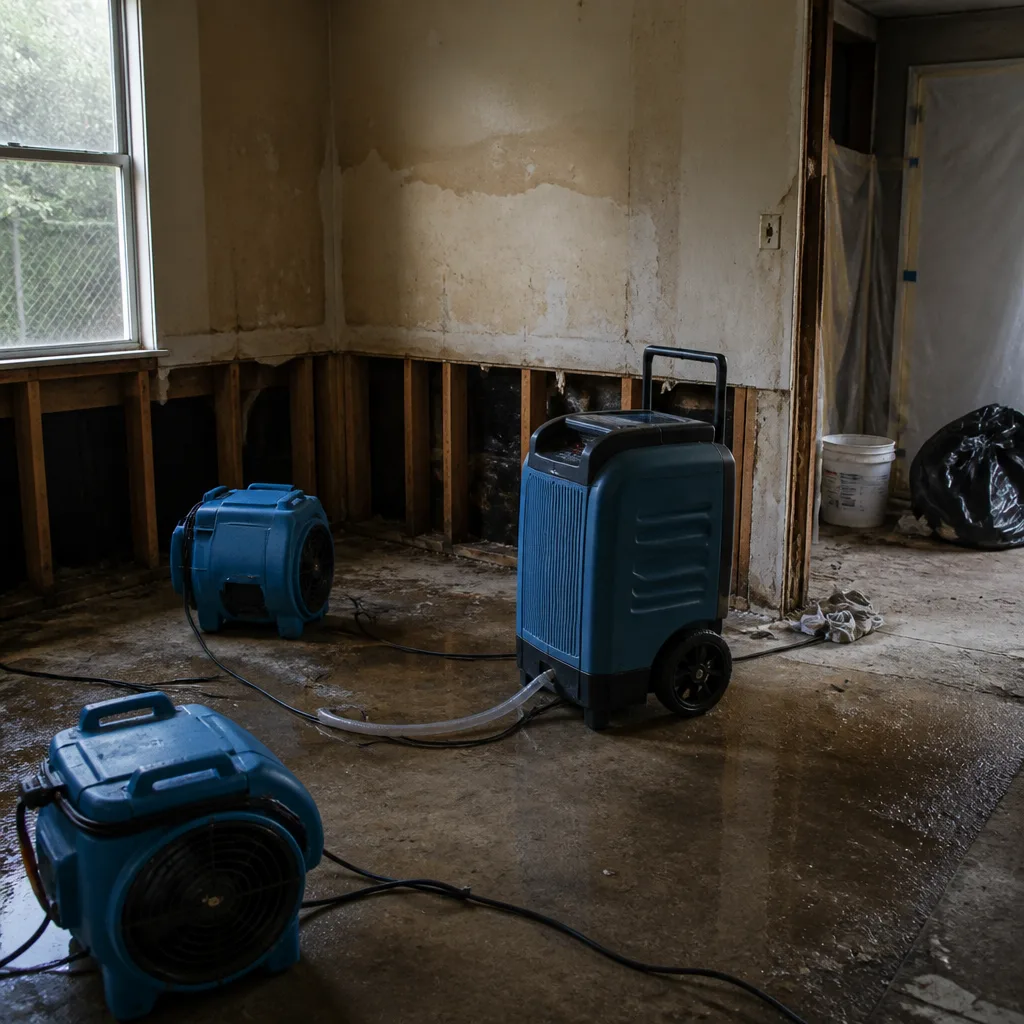 Before
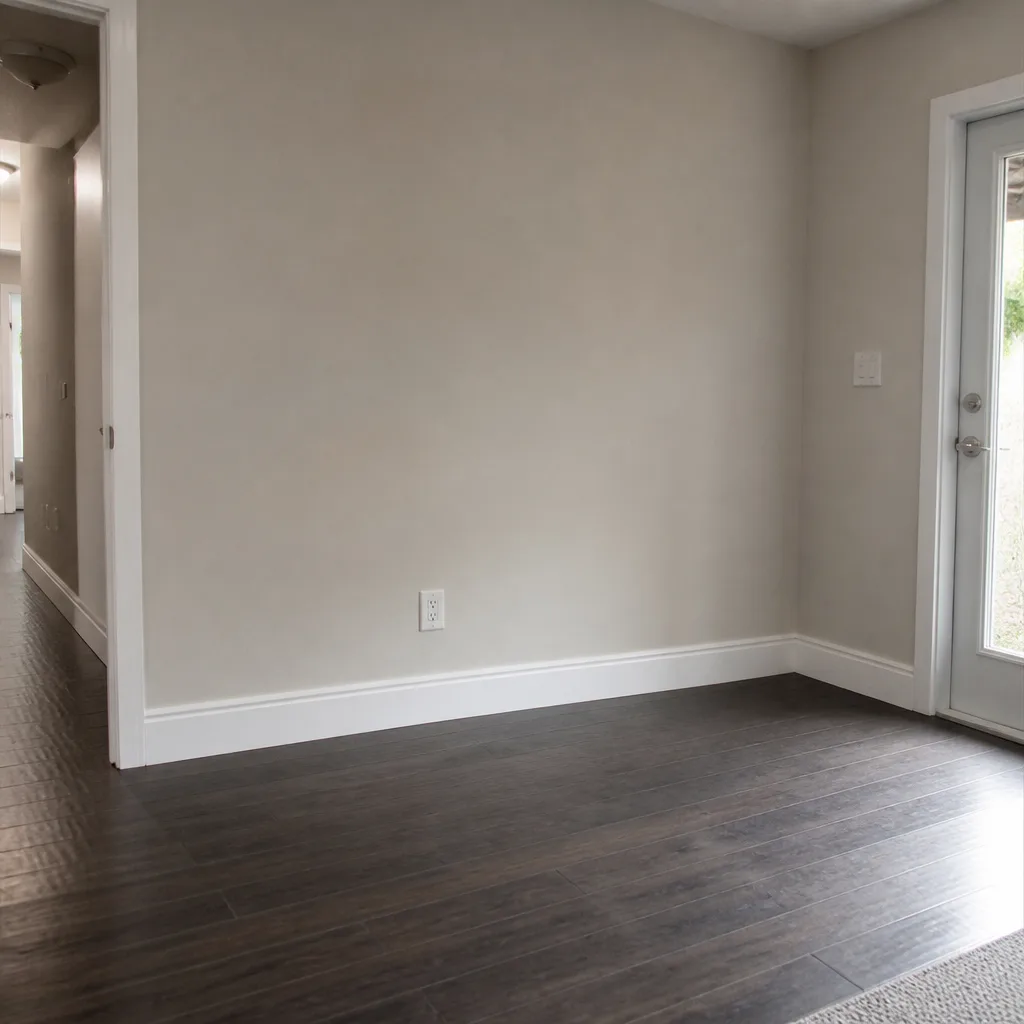 After
AfterFast, Reliable Water Damage Restoration Across Fort Lauderdale
Water damage restoration in Fort Lauderdale typically runs $2,800-$7,500 for residential drying and mitigation, with emergency extraction starting at $450-$950 and full structural drying adding $1,800-$4,200 depending on affected square footage and material saturation. Most Fort Lauderdale homes we see require same-day response because the city’s 70%+ year-round humidity and near-surface water table compress the safe drying window to 24-48 hours before mold colonization begins. Call (754) 238-0219 now and a live person will answer, dispatch a crew, and begin documentation for your insurance claim before anyone sets foot on your property.
We coordinate dispatch from our Miami (South FL) office and maintain crews dedicated to Fort Lauderdale response, including the canal-front neighborhoods of Rio Vista, Colee Hammock, and Tarpon River where water intrusion follows patterns that inland restoration companies rarely encounter. Our Water Damage Restoration team has handled over 12,000 homes since 2011, every one with a written price before work started and a photo record on every visit.
Why DryMark Restoration Pompano Beach Is Fort Lauderdale’s Preferred Water Damage Restoration Company
Back to Dry Restoration, led by Alicia Brennan, was founded in 2011 by a former claims adjuster who built the company around the documentation gap that costs homeowners their insurance settlements. In Fort Lauderdale specifically, that gap is deadly: insurers routinely deny claims when restoration contractors cannot produce daily moisture logs, psychrometric data, and photo-documented drying progress that proves the structure was returned to pre-loss condition. We close that gap on every job.
Our Fort Lauderdale customers find us through the three-star reviews they actually read, where the consistent thread is our documentation: written scopes, room-by-room moisture readings, and direct adjuster coordination that gets invoices paid without dispute. Live phone coverage runs 24 hours a day, 7 days a week with no voicemail trees - when water is still moving through your walls at 2 a.m., a person answers and a crew is already being dispatched.
Response time to Fort Lauderdale averages under 90 minutes from initial call to on-site arrival for emergency water extraction. We know the local conditions that slow other contractors: the low-lying grid around Middle River Terrace where storm drains reverse flow, the slab-on-grade construction throughout Progresso Village, and the condominium tower plumbing cascades along A1A. That local knowledge means we arrive with the right equipment and the right protocol already in mind.
Our Water Damage Restoration Services in Fort Lauderdale
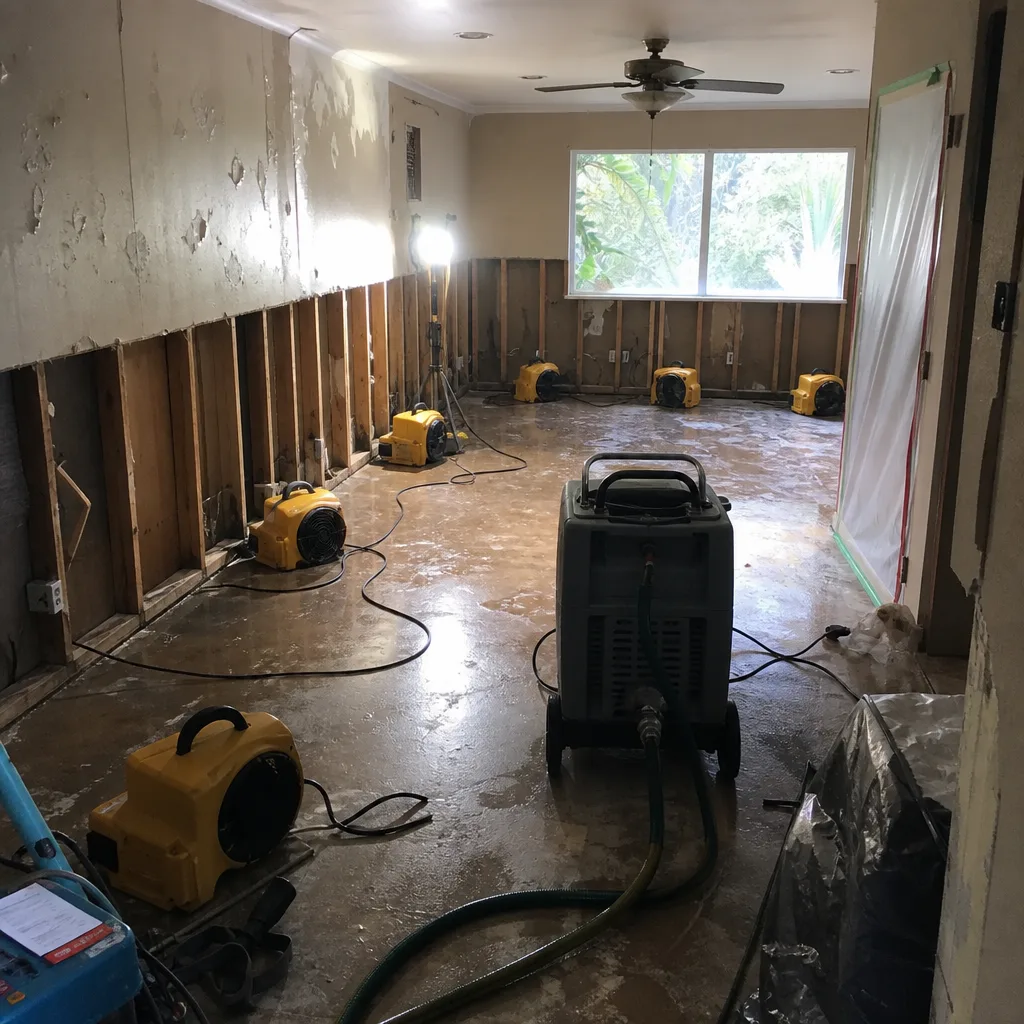
Emergency Water Extraction
We deploy truck-mounted extraction systems and portable submersible pumps for Fort Lauderdale homes flooded by burst pipes, appliance failures, or storm intrusion. In canal-adjacent neighborhoods like Rio Vista, we often arrive to find no standing water visible - yet saturated slab edges and wicking lower walls that standard surface readings miss entirely. Our extraction protocol includes slab-level moisture mapping before any drying plan is written, because Fort Lauderdale’s porous limestone substrate can push groundwater up through hairline cracks during sustained rain events, leaving floors saturated from underneath even when no surface water ever entered the front door.
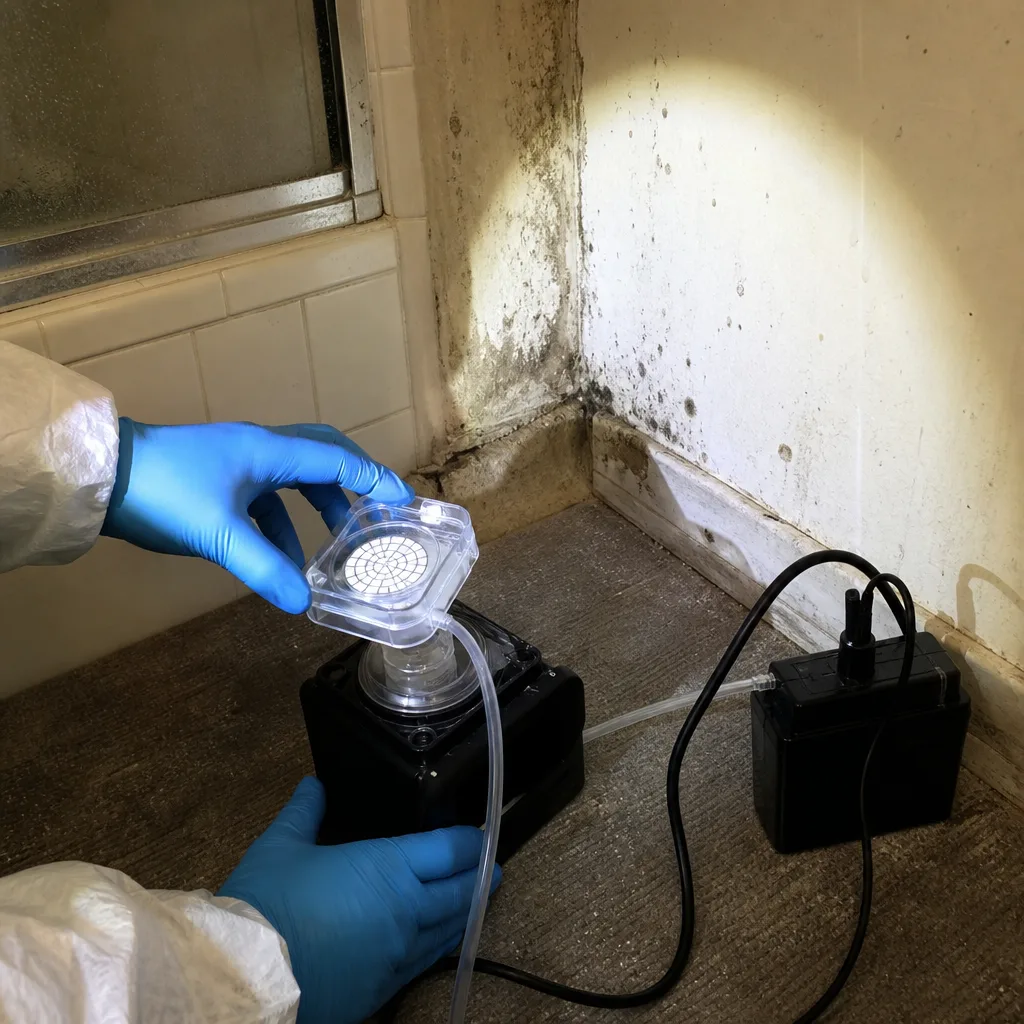
Structural Drying & Dehumidification
This is where Fort Lauderdale’s climate makes or breaks a restoration. Our crews use Phoenix dehumidifiers, XPOWER air movers, and Injectidry cavity drying systems to establish vapor pressure differentials that pull moisture from concrete block walls, wood framing, and subfloors. Psychrometric data - temperature, relative humidity, and specific humidity readings - is logged every 24 hours and delivered to you and your adjuster as standard documentation, never an upsell. The Haven Standard, Clause 1 applies: a written price before any work starts, with no scope-creep additions once the crew is inside.
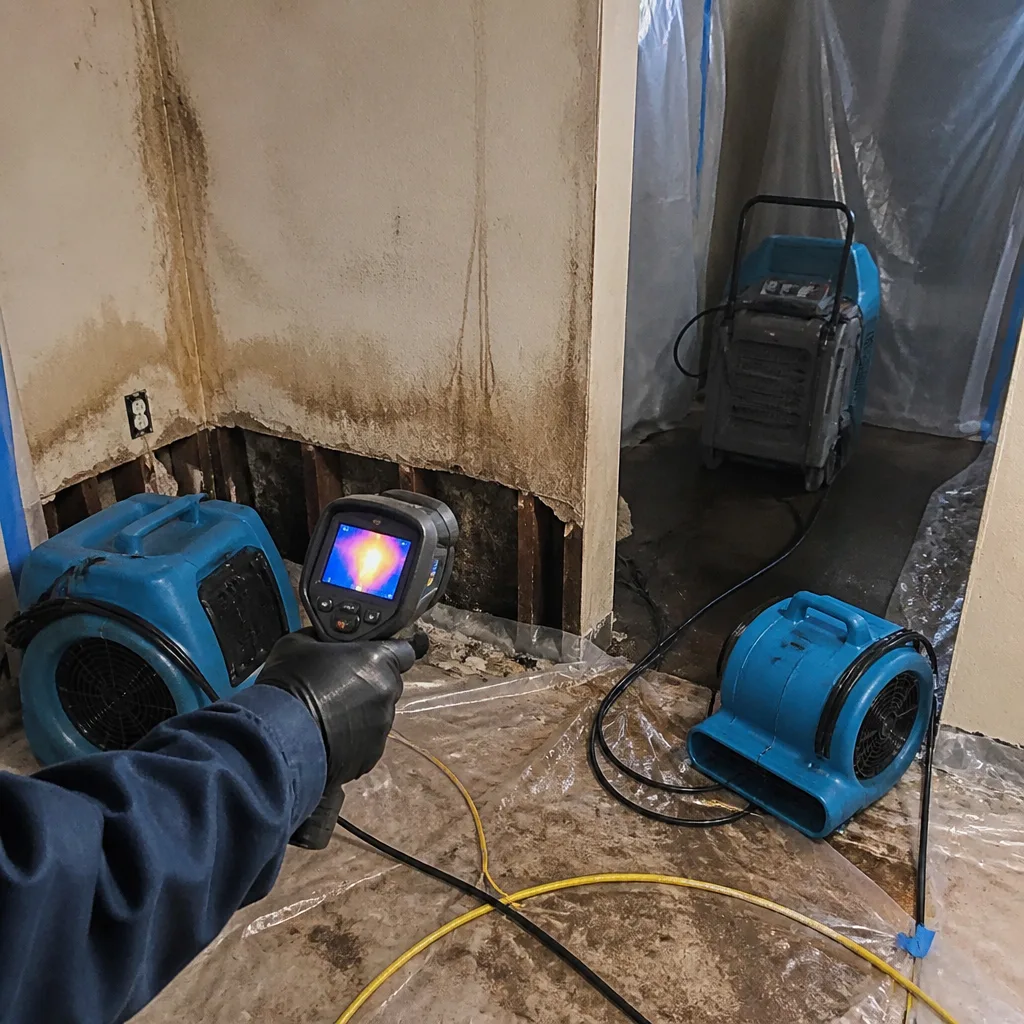
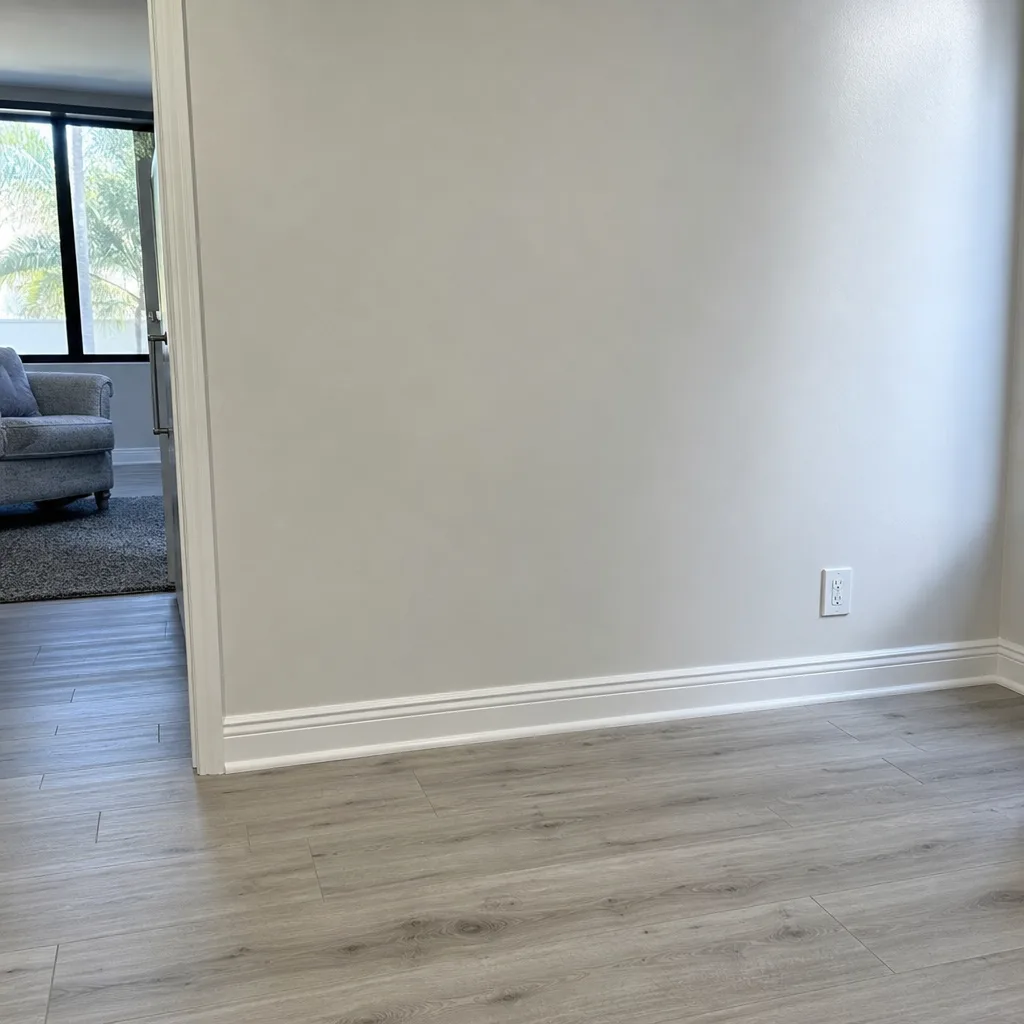
After a wet-season deluge in Rio Vista, our crew responded to a canal-front home with no visible surface flooding but elevated moisture readings at the slab edge and wicking up the lower CBS walls. We used thermal imaging and pin meters to trace the intrusion to hydrostatic slab lift through hairline cracks, set up containment, ran Phoenix dehumidifiers and XPOWER air movers, and applied antimicrobial treatment to the bottom 24 inches of drywall before documenting drying logs for the scope of work.
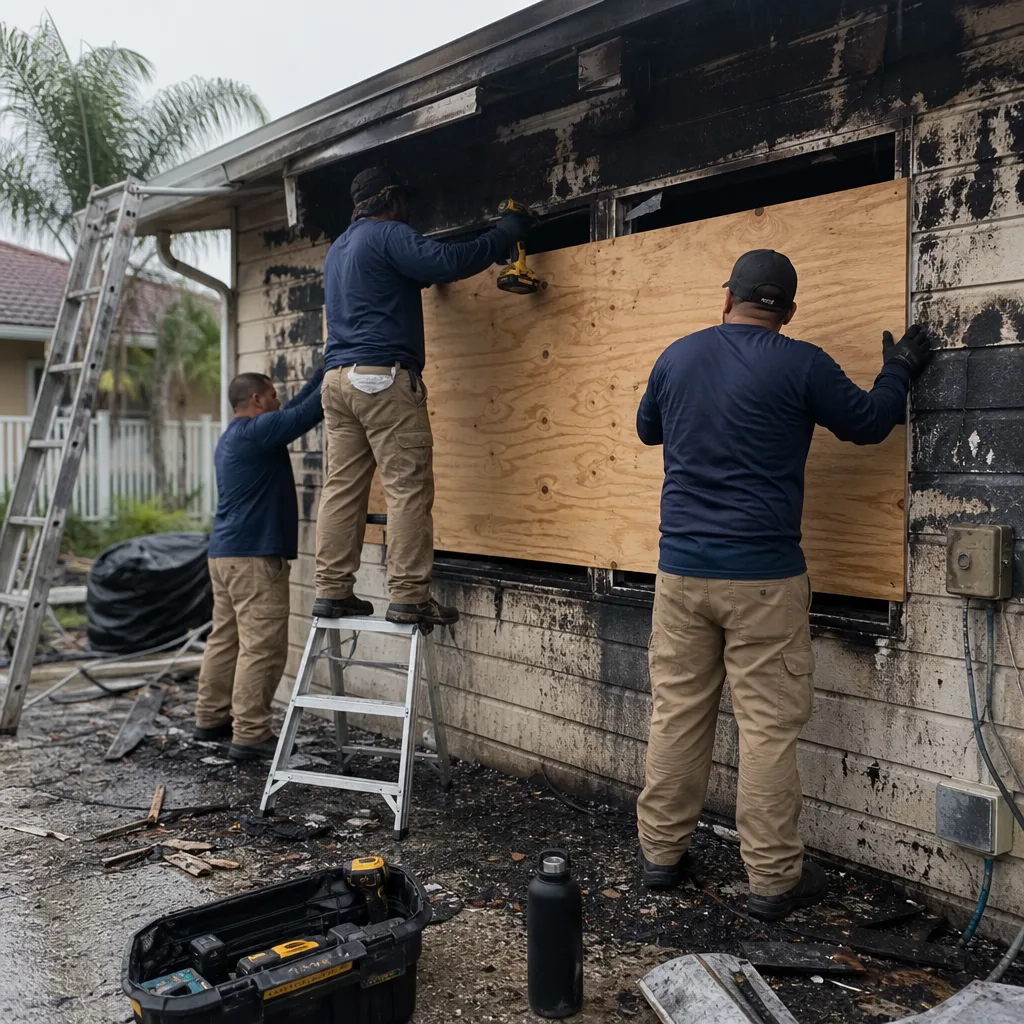
Flood Cleanup
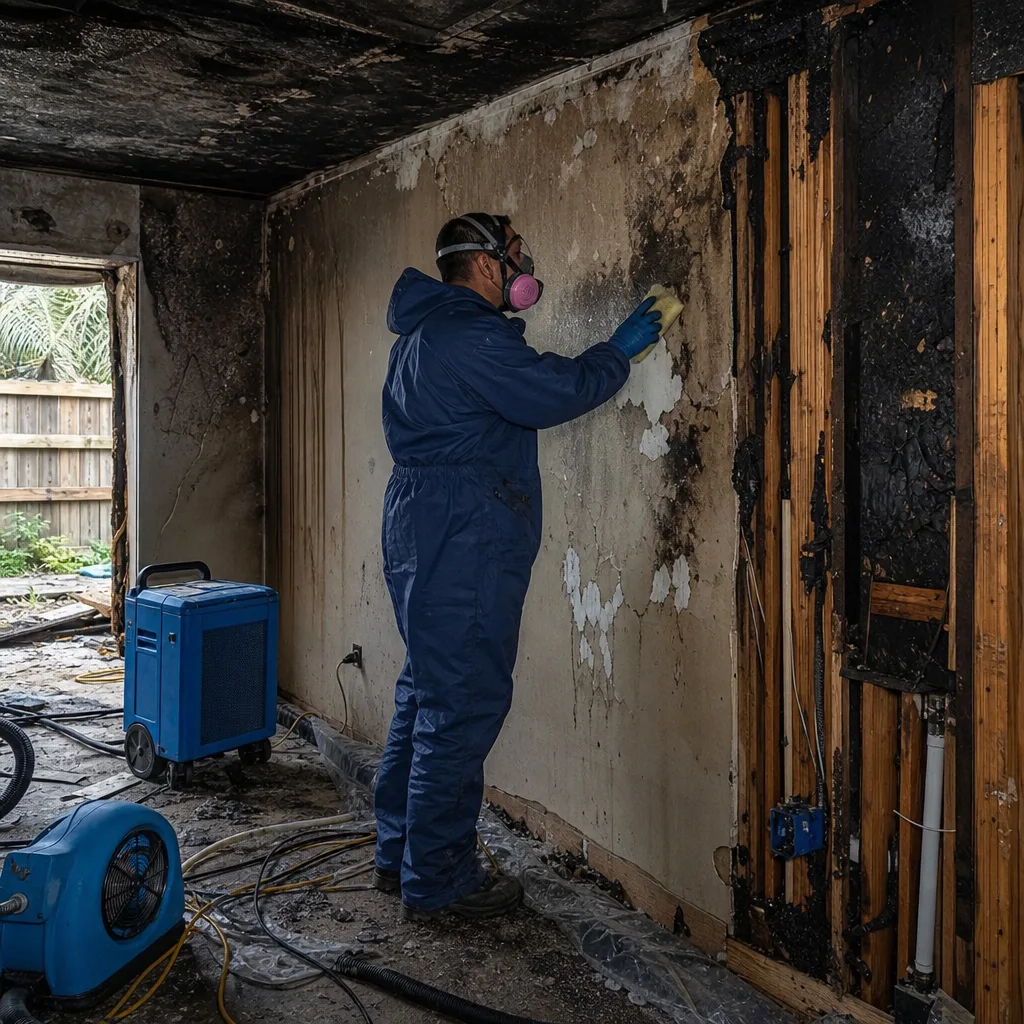
Fort Lauderdale’s 165+ miles of navigable canals create flood damage patterns that simply don’t exist in inland cities. The April 2023 rainfall event proved this concretely: 26+ inches in roughly 24 hours overwhelmed the drainage grid, reversing flow back through storm drains and flooding homes miles from any waterway with Category 3 water from the inside out. Our flood cleanup protocol distinguishes between clean water intrusion (Category 1), gray water with chemical or biological contaminants (Category 2), and black water from sewage or storm drain backflow (Category 3) - each requiring different removal, disposal, and documentation standards per IICRC and IFA guidelines.
Burst Pipe Restoration
Older Fort Lauderdale neighborhoods like Tarpon River and Middle River Terrace still contain original galvanized and early copper plumbing that fails catastrophically during pressure fluctuations. We extract standing water, document affected materials by classification (Class 1 through 4 saturation), and provide a written scope for pipe repair coordination with your plumber - all photo-documented for your insurance claim.
Ceiling & Roof Leak Water Damage
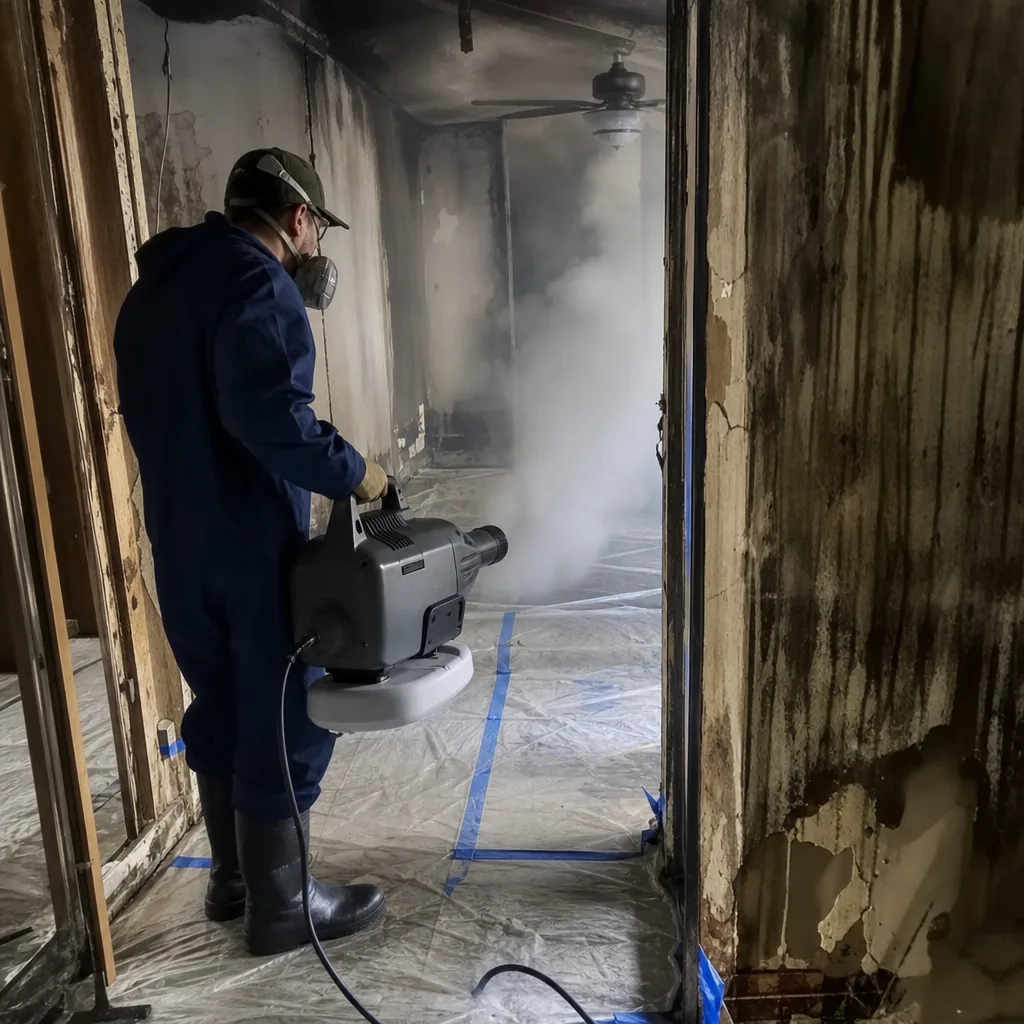
The 1950s-1970s built-up roofing systems common in Fort Lauderdale’s older neighborhoods fail gradually under UV degradation and hurricane wind uplift, creating slow hidden leaks that saturate CBS walls from above while canal-adjacency may saturate them from outside. Our ceiling and roof leak protocol includes thermal imaging to trace water migration paths, cavity drying through Injectidry systems, and documented removal of wet insulation that compressed cellulose or fiberglass cannot be restored in place.
What happens when you call
- 1
A real person answersNo phone trees - you reach a local pro.
- 2
You get an upfront price rangeHonest numbers before anyone is dispatched.
- 3
A background-checked tech heads outLicensed & insured, dispatched right away.
- 4
You approve before work beginsNothing starts until you say go.
 Before
 After
AfterTrusted Brands We Service in Fort Lauderdale
Our equipment fleet includes professional-grade drying systems from Dri-Eaz, Phoenix, and XPOWER, documented to IICRC, RIA, and IFA standards. We maintain local inventory of replacement components - dehumidifier coils, air mover housings, Injectidry hose assemblies - so that Fort Lauderdale jobs are never delayed waiting for parts shipment. Every piece of equipment is logged to your job file with serial numbers and calibration dates, producing the daily drying logs that turn restoration invoices into payable insurance claims.
Common Water Damage Restoration Problems We See in Fort Lauderdale Homes
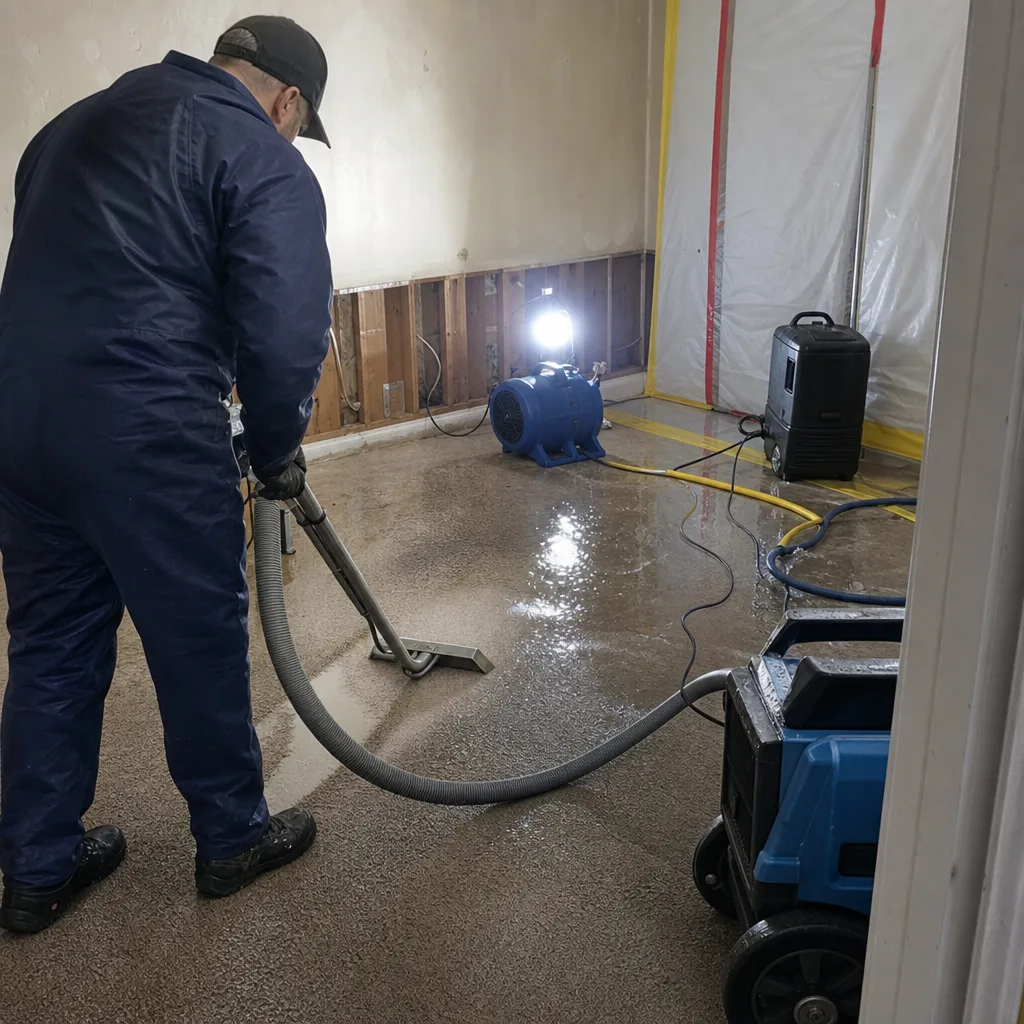
- Hydrostatic slab lift: Groundwater pushed up through hairline slab cracks after sustained rain, saturating flooring and lower walls from below. Often missed if the drying plan relies only on surface readings. We map moisture at the slab level before writing any scope.
- Reverse-flow storm drain intrusion: Overwhelmed drainage grid backs up into homes miles from any canal, delivering Category 3 water that requires full removal rather than drying. The April 2023 event showed this failure mode across Fort Lauderdale’s inland neighborhoods.
- Canal-adjacent CBS wicking: 1950s-1970s concrete block walls absorb water laterally from canal overflow and from above via failing flat roofs, making structural drying exceptionally slow and mold-prone within 24-48 hours. Tertiary drying phases often extend 5-7 days beyond initial estimates.
- Condominium tower cascade failures: Storm-surge and roof-drain failures in A1A and Intracoastal towers cascade unit to unit through shared plumbing chases and balcony drainage, requiring coordinated multi-unit documentation that individual unit owners rarely obtain without professional coordination.
Pricing for Water Damage Restoration in Fort Lauderdale, FL
| Service | Typical Fort Lauderdale Range |
|---|---|
| Emergency water extraction (up to 1,000 sq ft) | $450-$950 |
| Structural drying & dehumidification (2-4 days) | $1,800-$4,200 |
| Full flood cleanup with Category 3 removal | $3,500-$8,500 |
| Basement/crawl space water removal | $2,200-$5,800 |
| Ceiling and roof leak damage repair | $1,600-$6,200 |
| Antimicrobial treatment and mold prevention | $400-$1,200 |
These Fort Lauderdale ranges reflect our actual 2024-2025 job data, not national averages. Final cost depends on affected square footage, material classification (Class 1-4), whether the water source is Category 1, 2, or 3, and whether hydrostatic slab lift requires extended drying or partial material removal. Haven Standard, Clause 1 guarantees a written price before any work starts - bring a competitor’s written estimate and we’ll provide a Free Second Opinion at no charge. Call (754) 238-0219 for exact pricing on your specific situation.
We Also Serve Cities Near Fort Lauderdale
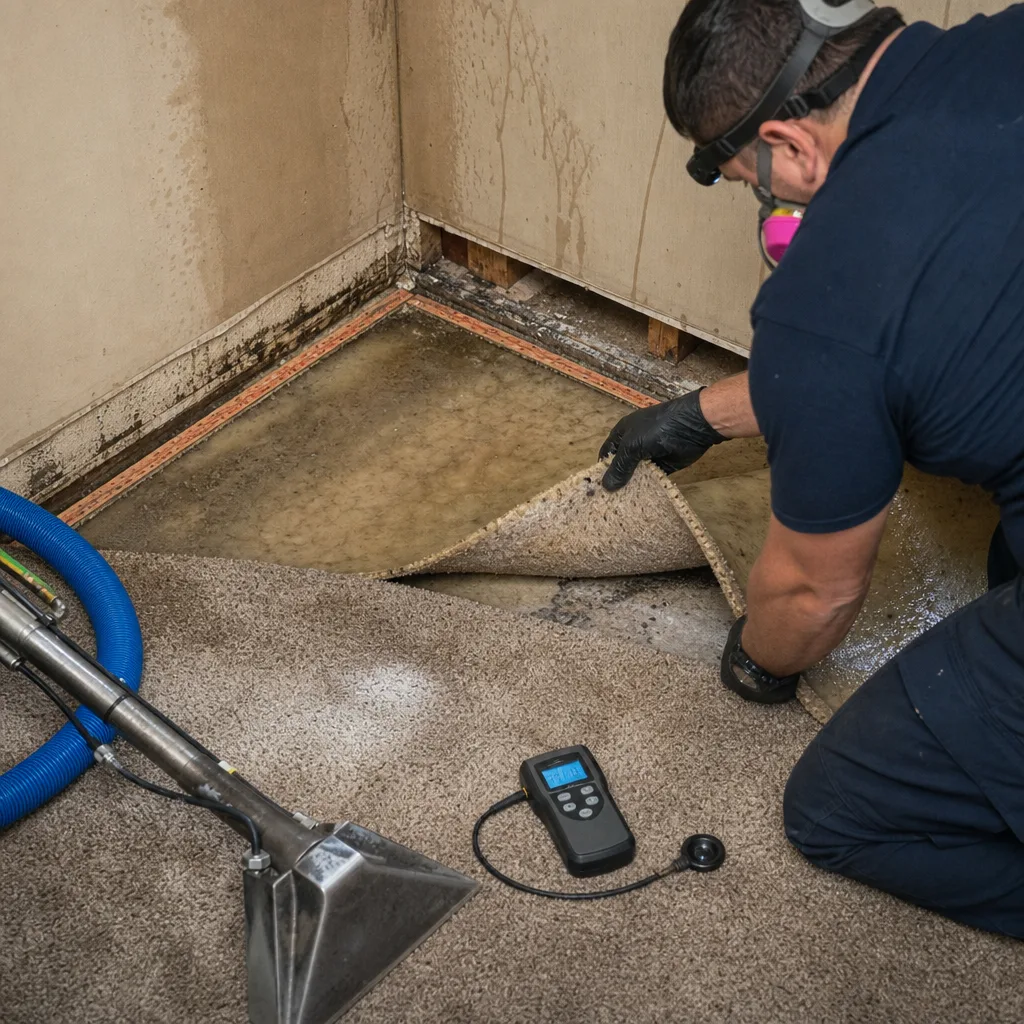
Our crews respond throughout Broward County, including Fort Lauderdale and the surrounding communities of Plantation, Pompano Beach, Hollywood, and Coconut Creek. Each city carries distinct water intrusion patterns - Plantation’s newer slab construction versus Hollywood’s mixed-age housing stock - and our documentation protocols adapt to each.
Serving Fort Lauderdale, FL - Our Local Coverage Area
We’re based in the Fort Lauderdale area and know this community well. Use the map below to see our service coverage - if you’re nearby, we can almost certainly help.
FAQs - Water Damage Restoration in Fort Lauderdale
Fort Lauderdale’s drainage grid can reverse flow during extreme rainfall, pushing storm water back through drains into homes miles from any canal. The April 2023 event demonstrated this: 26+ inches in 24 hours overwhelmed the system, flooding inland neighborhoods with Category 3 water that appeared to come from nowhere. Call (754) 238-0219 and we’ll assess whether your intrusion source is plumbing failure, roof leak, or reverse-flow drainage - each requires different documentation for your insurance claim.
Fort Lauderdale’s average elevation of roughly 6 feet and near-surface water table means groundwater can push up through hairline slab cracks during sustained rain, a condition called hydrostatic slab lift. This saturates floors and lower walls from below even when no surface water entered, and it requires slab-level moisture mapping with thermal imaging and pin meters before any drying plan is written. Generic restoration companies that rely on surface readings often miss this entirely, leaving hidden moisture that breeds mold within 48 hours.
Visible mold colonization on drywall and insulation can begin in 24-48 hours in Fort Lauderdale due to year-round relative humidity above 70%. This window shrinks further in enclosed spaces with poor air circulation. Our emergency response protocol includes antimicrobial treatment to the bottom 24 inches of affected drywall as standard, not as an upsell, because the cost of prevention is always lower than the cost of full mold remediation. Call (754) 238-0219 for same-day assessment.
Category 1 is clean water from a broken supply line; Category 2 is gray water with contaminants from appliances or sump failures; Category 3 is black water from sewage, storm drain backflow, or canal overflow containing pathogens and chemicals. Fort Lauderdale’s reverse-flow storm drain failures and canal-adjacent flooding frequently produce Category 3 conditions even in homes with no visible sewage exposure. Category 3 requires full removal of affected porous materials and cannot be dried in place - a distinction that significantly affects scope, cost, and insurance documentation.
Yes. The 1950s-1970s concrete block construction in neighborhoods like Tarpon River, Middle River Terrace, and Progresso Village absorbs and holds moisture differently than modern framed construction. CBS walls wick water laterally and vertically through the block cores, requiring extended drying phases with Injectidry cavity systems and higher-capacity dehumidification. Original flat or low-slope built-up roofing in these homes also creates chronic slow leaks that pre-saturate walls before any acute event, compounding drying time. We document this pre-existing moisture condition on every older Fort Lauderdale job to protect your insurance claim from dispute.
Ready to get your Fort Lauderdale home dry and documented? Call (754) 238-0219 now for a free estimate with a written price before any work starts - Haven Standard, Clause 1, guaranteed.
Written by Alicia Brennan, Owner at Back to Dry Restoration, serving Fort Lauderdale since 2011 under The Haven Standard.