
Last updated September 23, 2026
Free visual inspection and a written scope of work before any mitigation begins - photos, moisture readings, and drying logs go in your claim file
The scope we write is the scope we bill. Anything new gets shown to you, in writing, before we touch it.

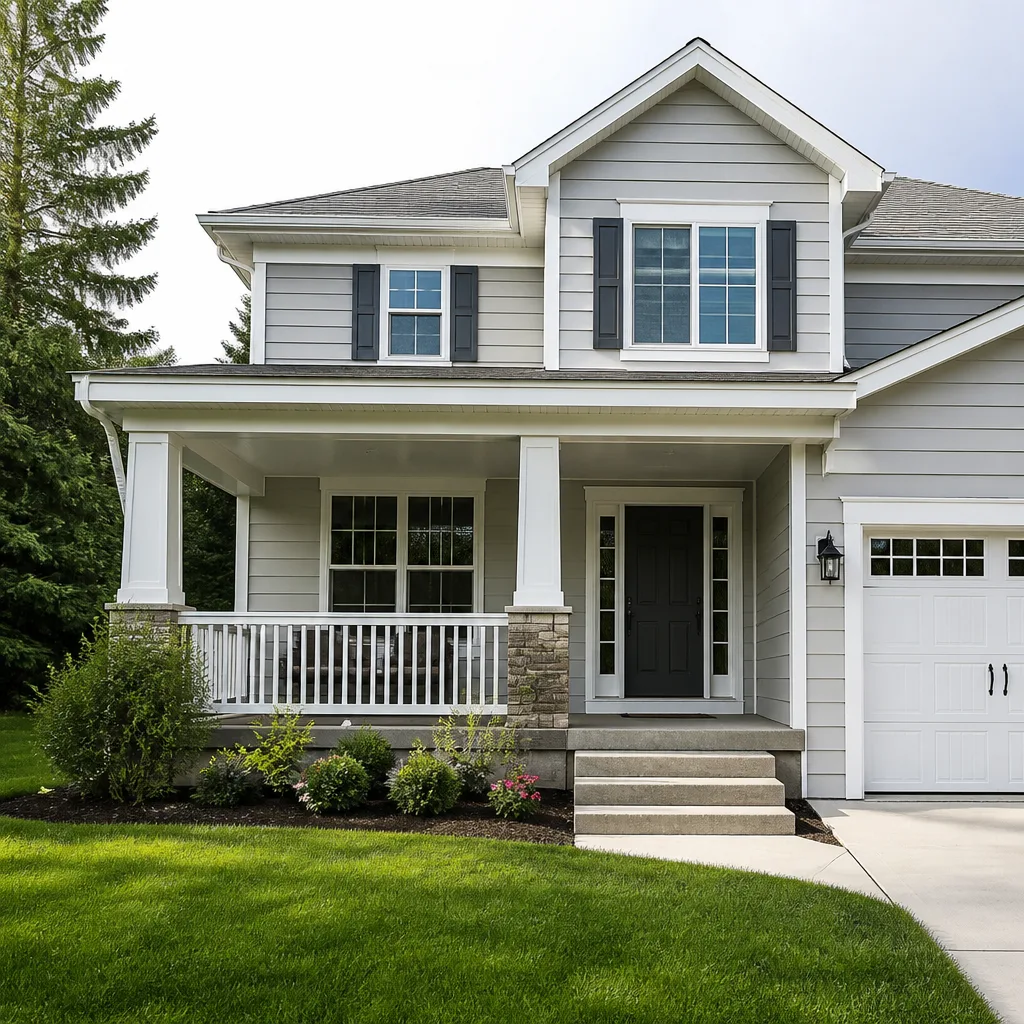
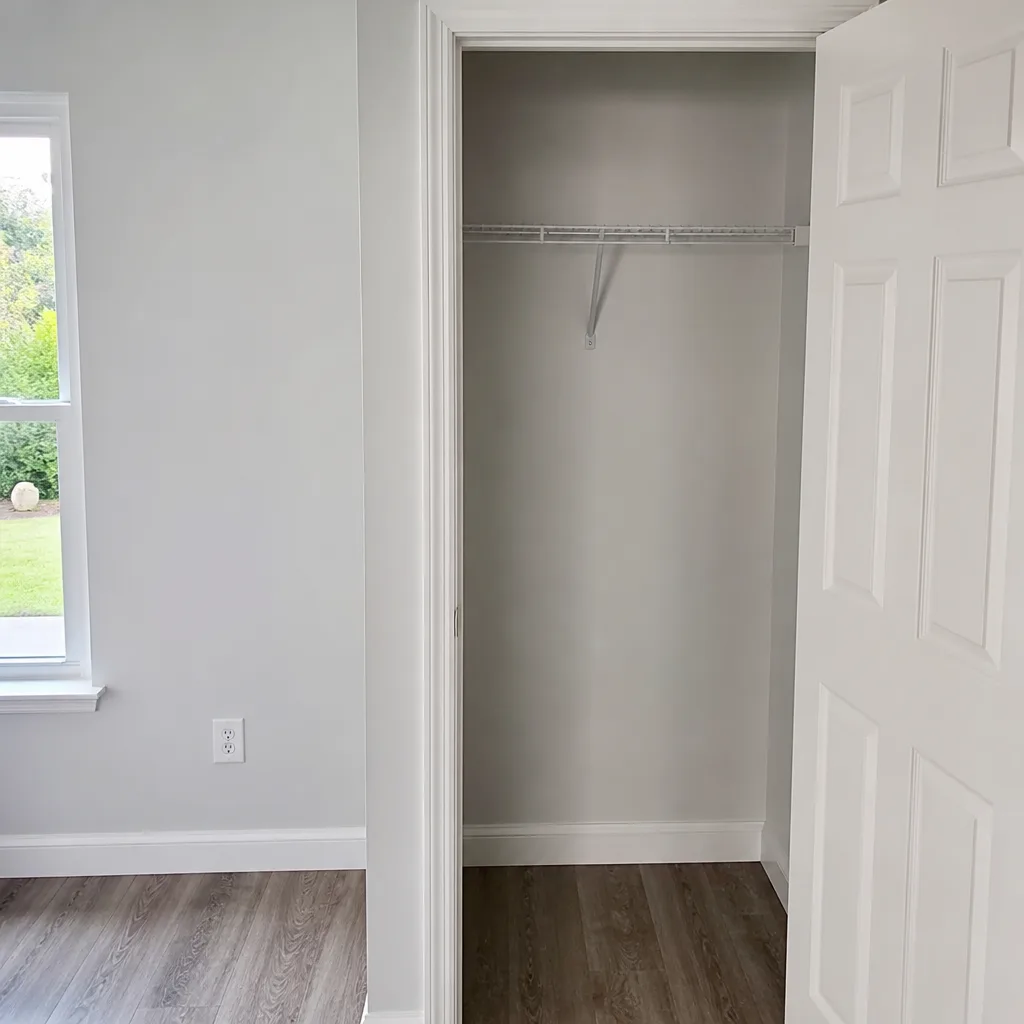

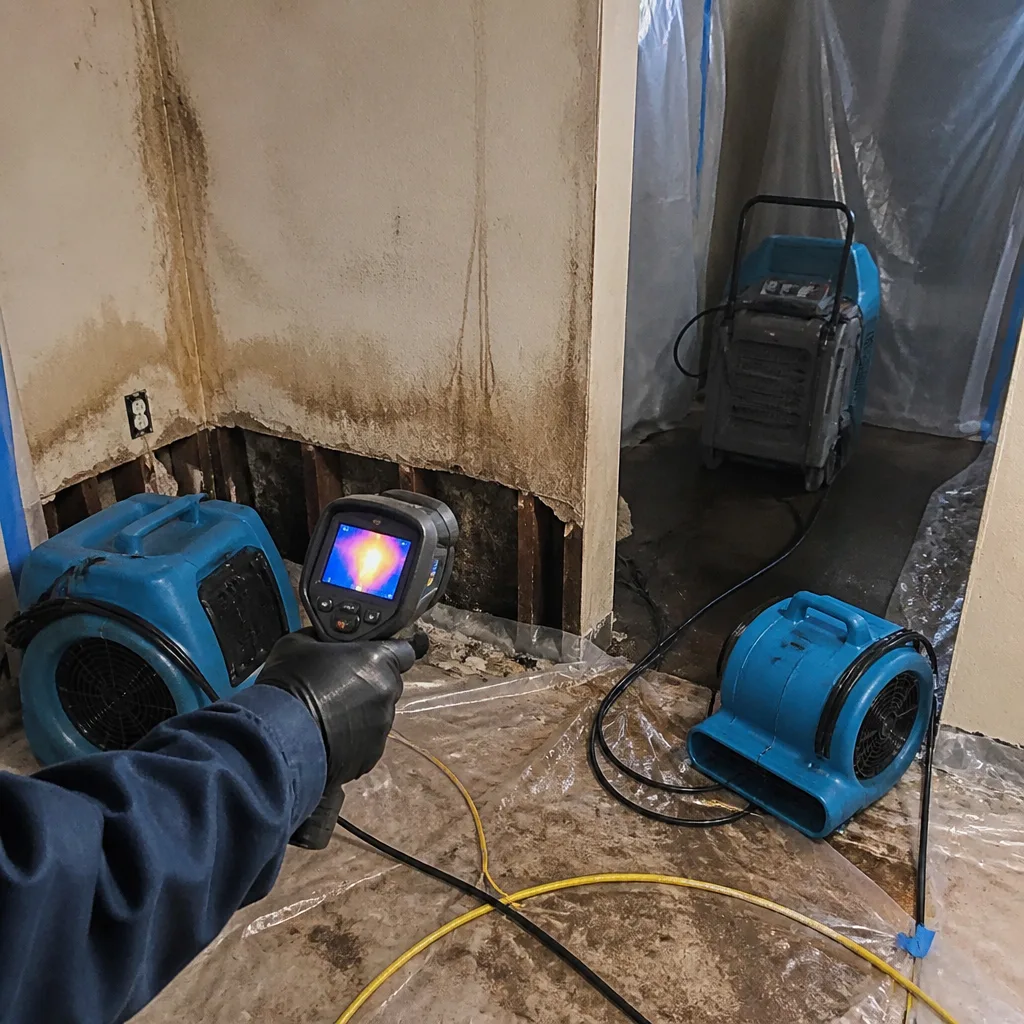 Before
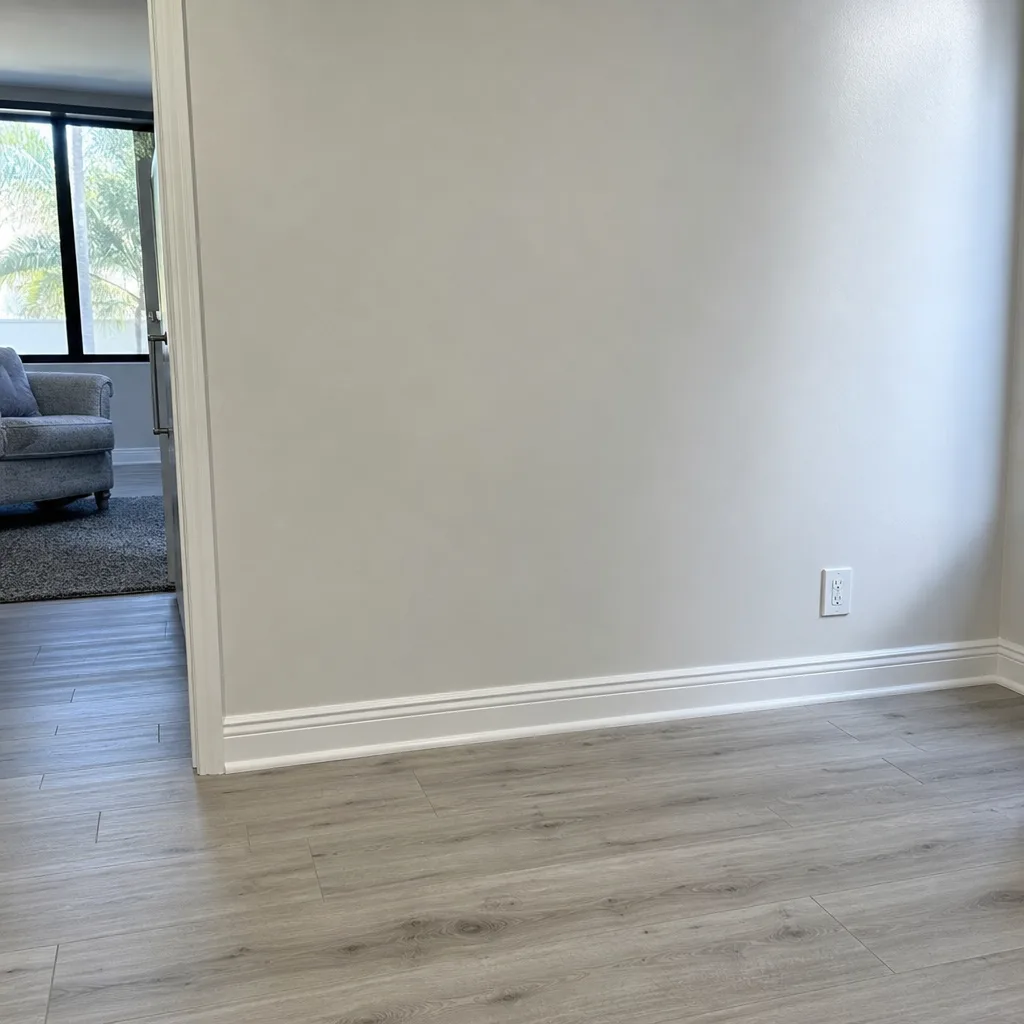 After
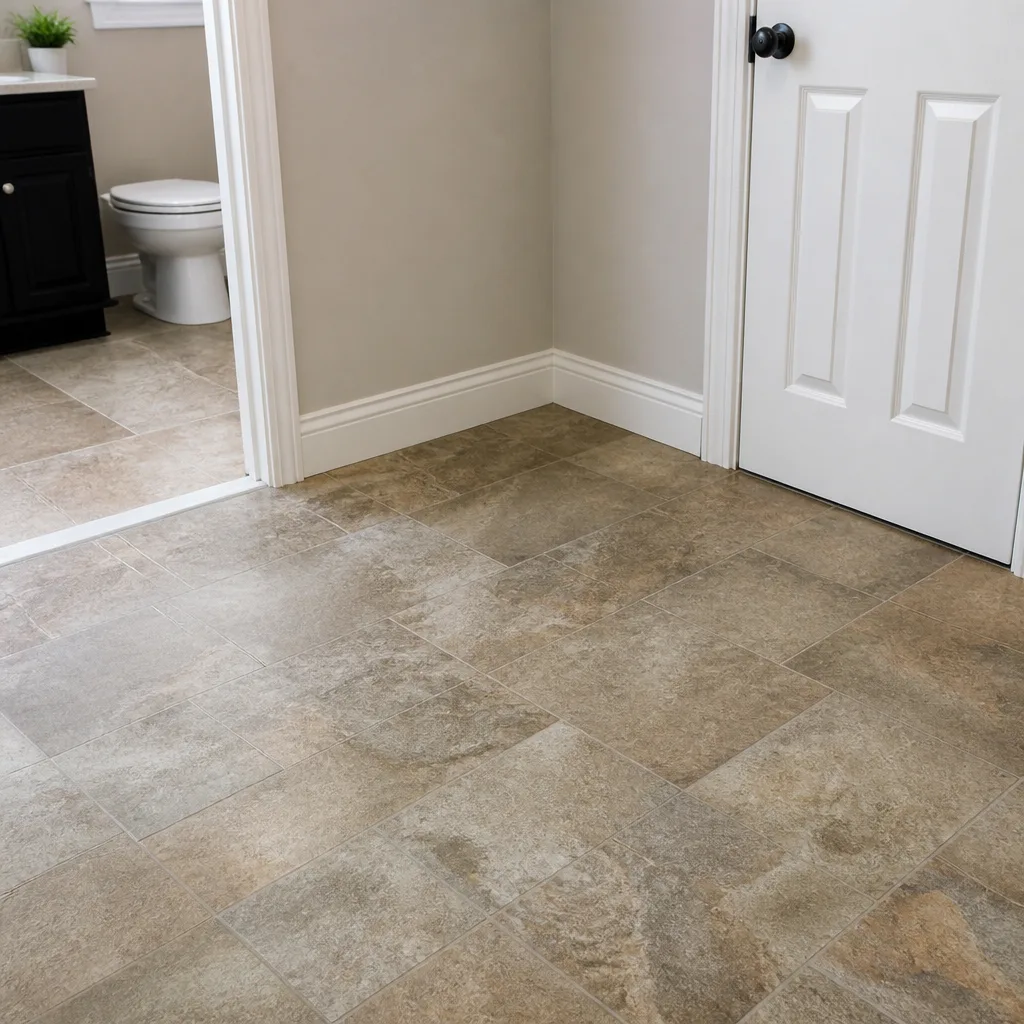
After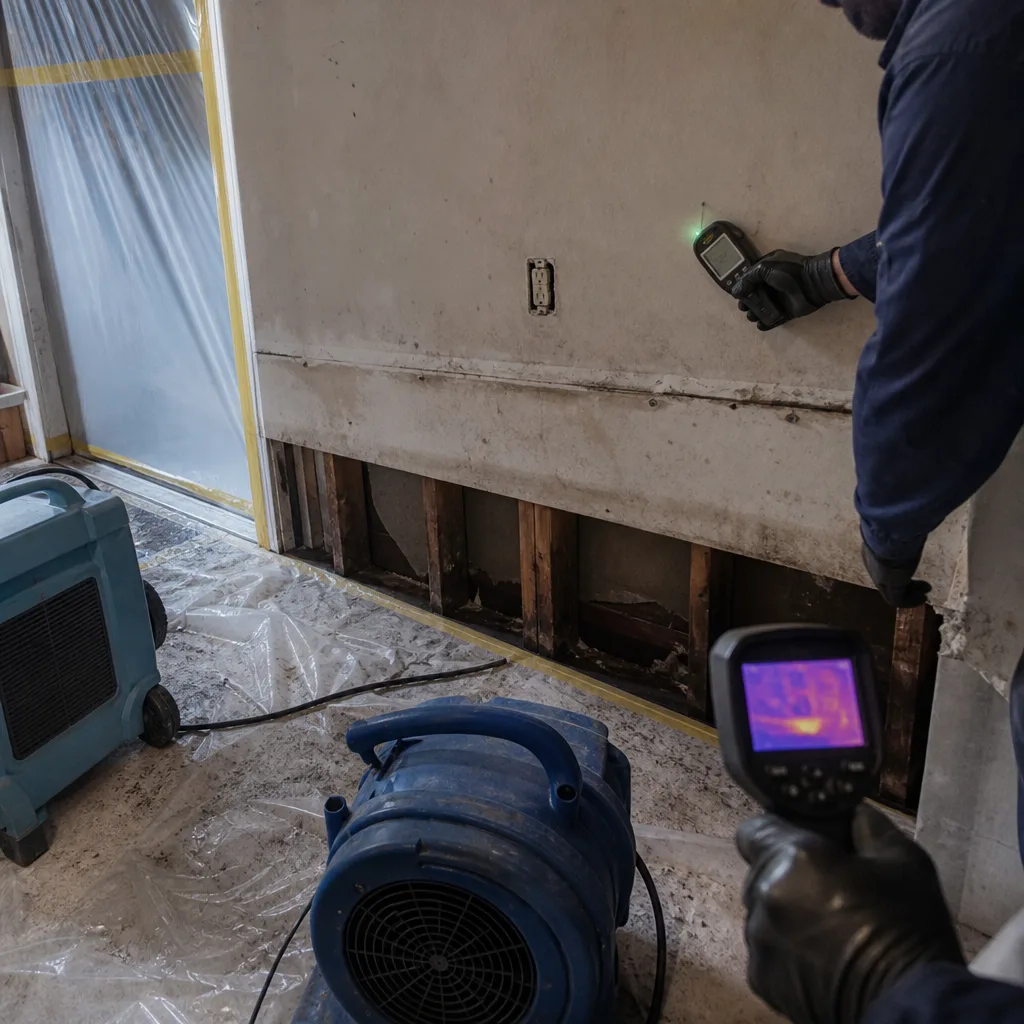 Before
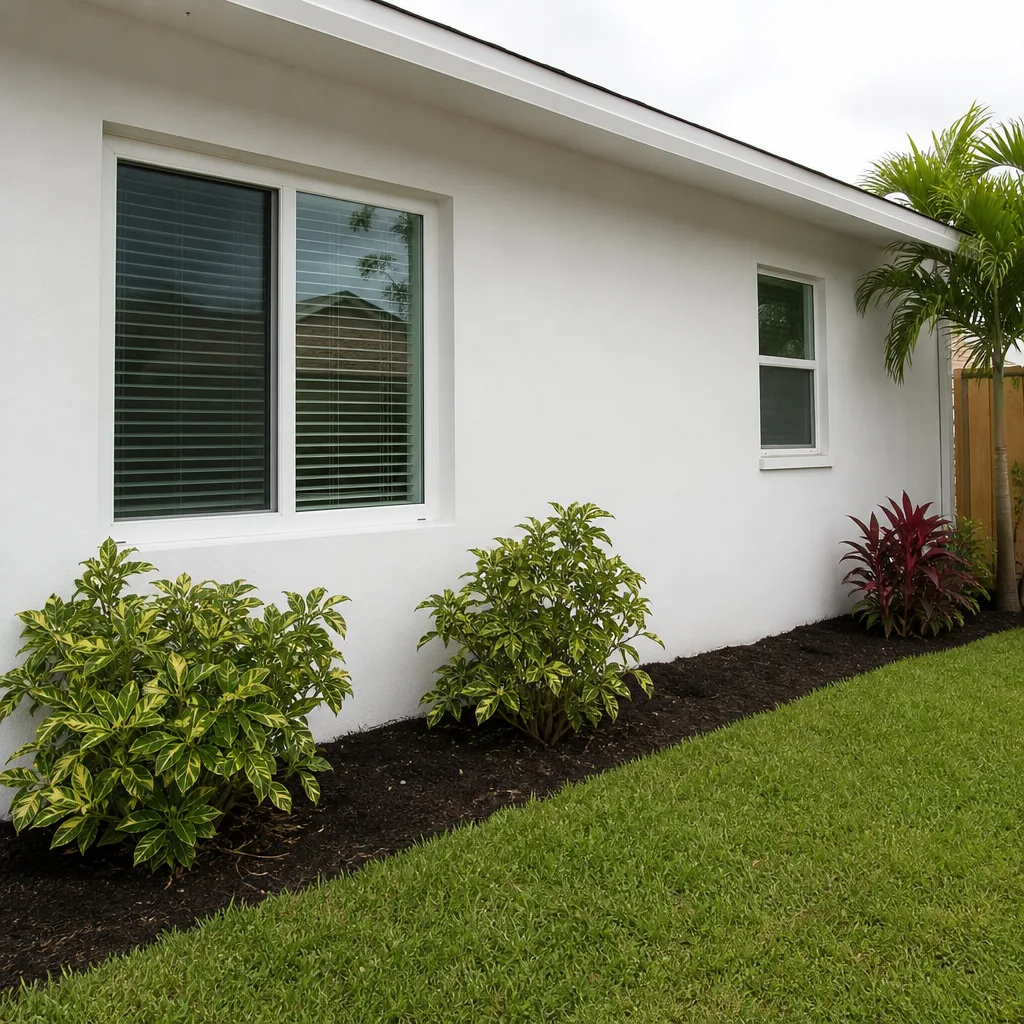 After
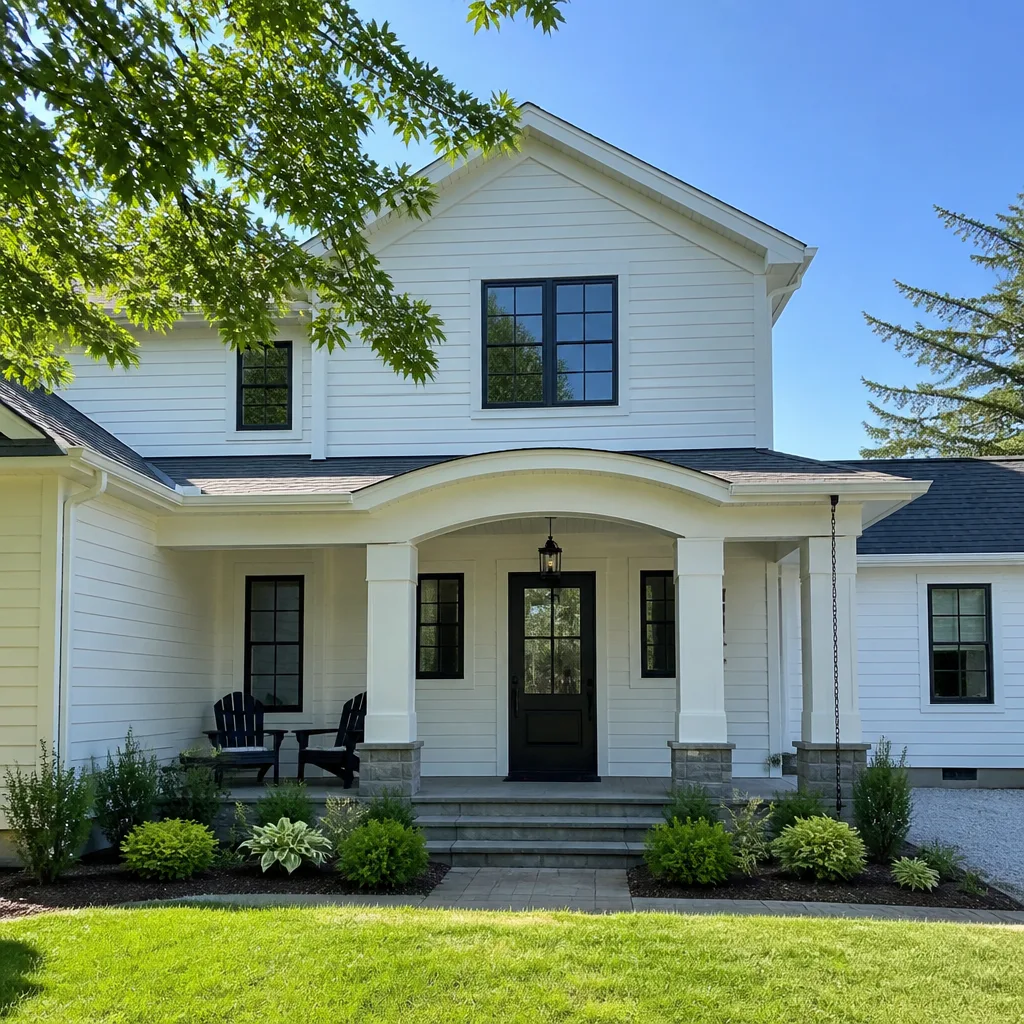
After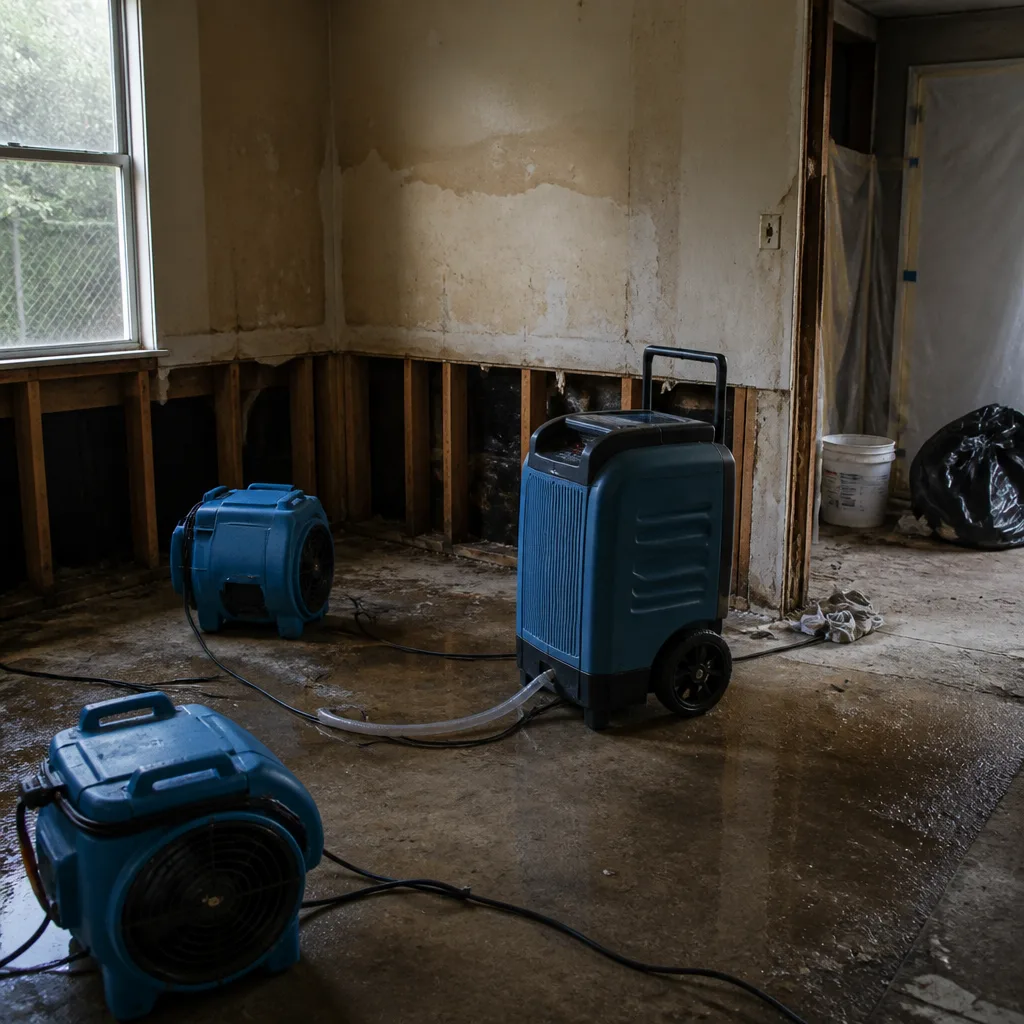 Before
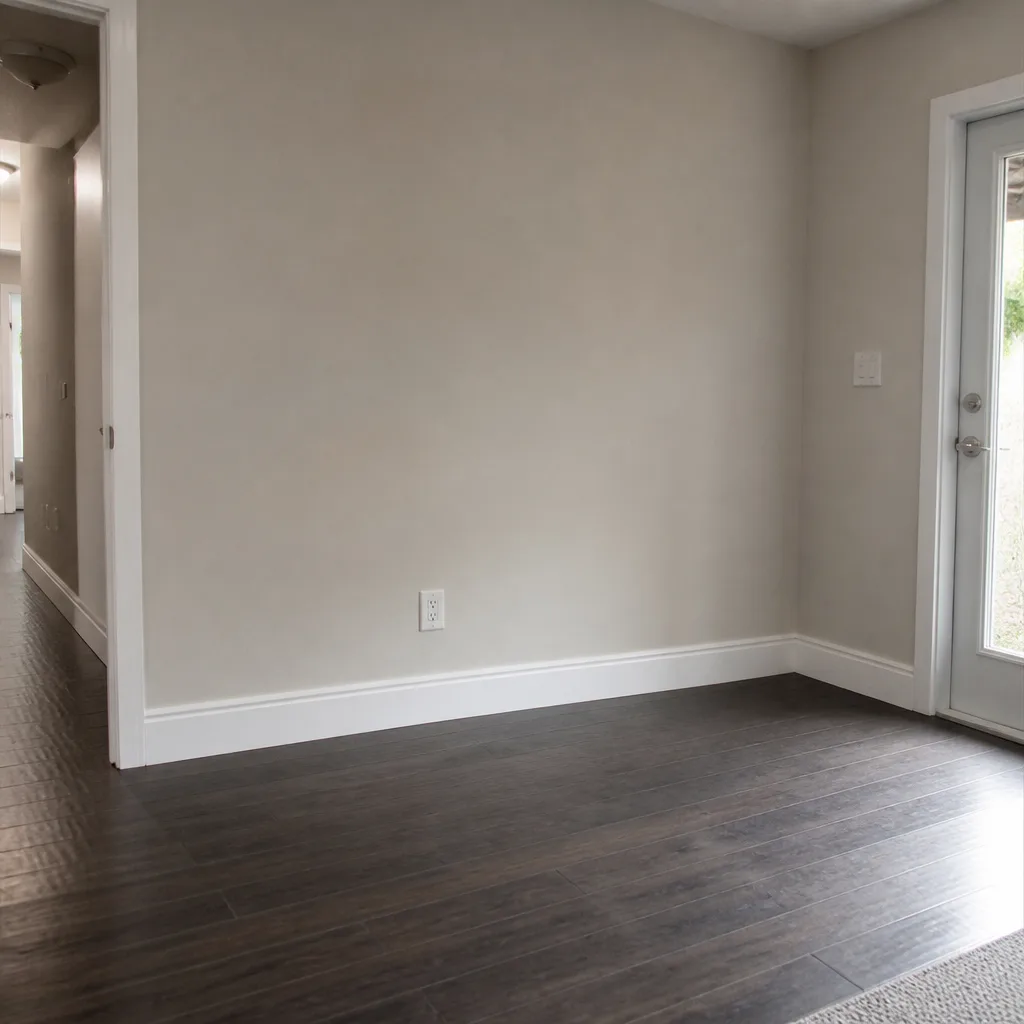 After
AfterDamage Restoration Permits, Codes & Inspections in FL: What You Need to Know
A Broward County building official can issue a stop-work order on an occupied home if restoration work requiring a permit began without one. The cost to demolish and re-permit unpermitted drywall replacement is typically higher than the original permitted job would have been. In Pompano Beach, we’ve seen homeowners discover this only when selling their property, when a title search reveals open permits or missing Certificates of Completion that stall closing for weeks. This guide names the specific permit types, Broward County code sections, and inspection stages a homeowner must track to protect their insurance coverage, their property value, and their legal liability.
Quick Answer
Most structural restoration work in Florida requires a building permit under the 2023 Florida Building Code, including water-damaged wall replacement over 200 square feet, mold remediation with containment barriers, electrical or plumbing repairs, and any reconstruction in FEMA flood zones. Homeowners bear legal responsibility for ensuring permits are pulled, inspections are passed, and Certificates of Completion are filed, even when a contractor handles the paperwork-one reason many turn to our How to Hire a Damage Restoration Contractor in Pompano Beach: A Step-by-Step Guide for vetting candidates. Unpermitted work can void insurance coverage, trigger municipal fines, and block property sales.
Table of Contents
- When Is a Permit Required for Restoration Work?
- Broward County Permit Types for Damage Restoration
- Florida Building Code 2023: Mold Remediation & Containment Rules
- Inspection Stages Homeowners Must Track
- Pompano Beach Floodplain Rules: When Partial Restoration Triggers Full Elevation
- Why Insurers Pay Claims with Permit Records, Not Just Invoices
- Homeowner Obligations After Permit Issuance
- Common Mistakes to Avoid
- When to Call a Professional
- Frequently Asked Questions
 Before
 After
AfterWhen Is a Permit Required for Restoration Work?
Florida law draws a sharp line between emergency mitigation, which a licensed contractor can perform immediately, and structural restoration, which requires a permit before materials are ordered. The distinction matters because starting work without the proper permit is a violation of Florida Statute 489.103, and in Broward County, the penalty includes a stop-work order and double permit fees.
Permit-required work includes:
- Drywall, plaster, or panel replacement exceeding 200 square feet in a single room or 500 square feet cumulative across the structure
- Structural repairs to load-bearing walls, floor joists, roof trusses, or foundation elements, regardless of square footage
- Electrical outlet, switch, or panel replacement after water or fire damage
- Plumbing pipe repair or rerouting, including drain lines and supply lines
- HVAC ductwork replacement or modification
- Mold remediation requiring negative-air containment or removal of porous structural materials
- Window or door replacement where the rough opening is altered
- Roof repair exceeding 100 square feet or 25 percent of total roof area
Work that typically does NOT require a permit includes:
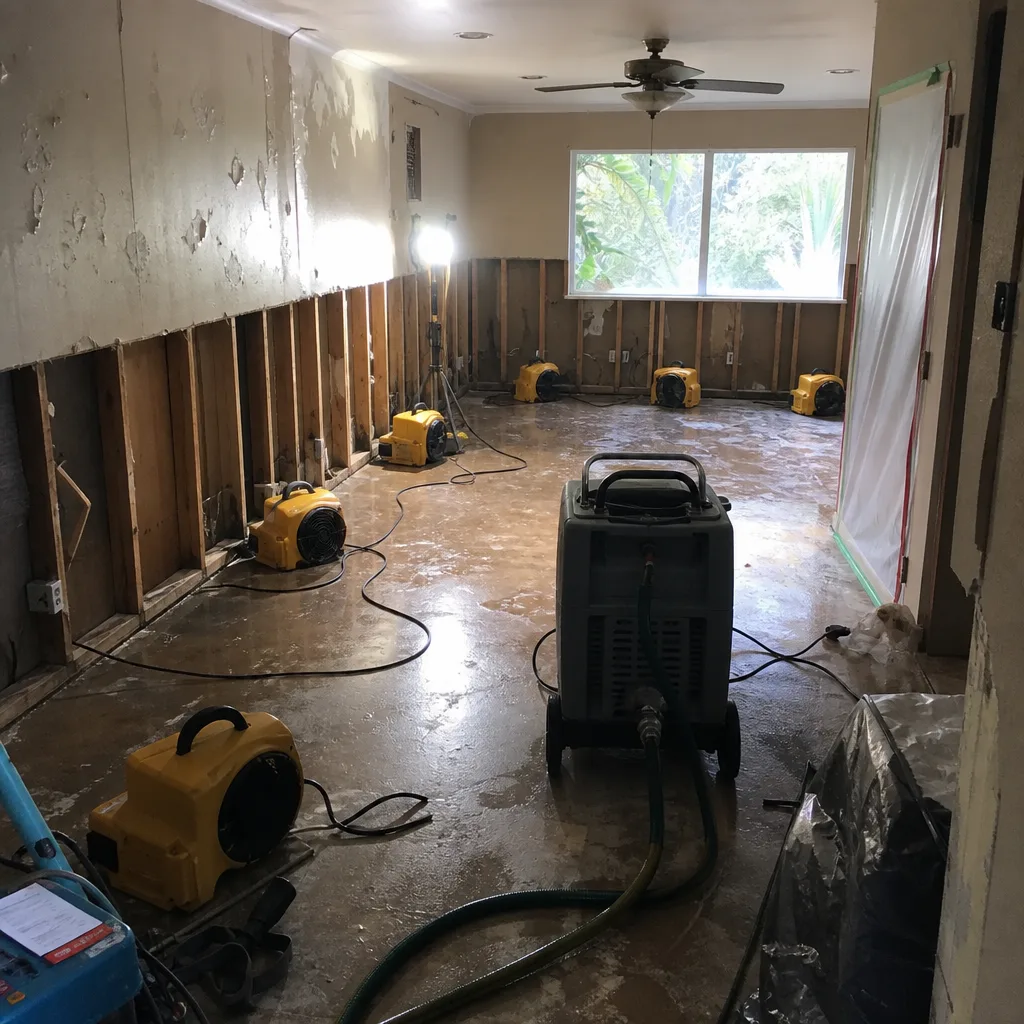
- Water extraction and structural drying using professional-grade equipment from Dri-Eaz, Phoenix, or B-Air, provided no materials are removed beyond baseboards
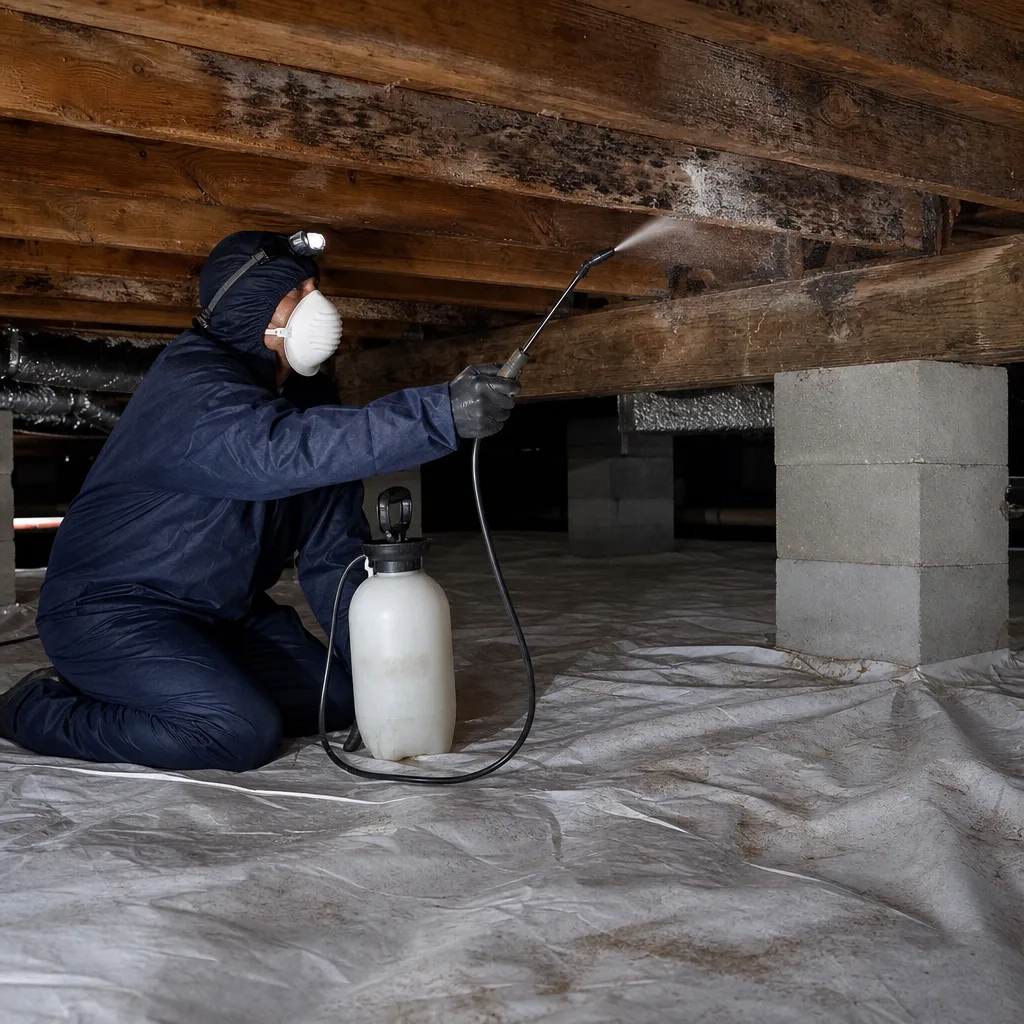
- Surface cleaning and antimicrobial application on non-porous materials where no containment is erected
- Carpet and pad removal without subfloor exposure
- Content pack-out and cleaning
- Installation of temporary power or drying equipment
The 200-square-foot drywall threshold catches many Pompano Beach homeowners by surprise. A water line failure in a laundry room can easily damage 250 square feet of drywall across two walls and a ceiling section. If the contractor begins replacement without a permit, the work is unpermitted regardless of quality. We’ve arrived at jobs where the previous contractor finished the drywall, painted, and left, only for the homeowner to learn at closing that no permit was pulled and no inspection occurred-exactly the scenario our Damage Restoration Warning Signs: A Pompano Beach Homeowner’s Reference Guide helps readers spot early.
The critical question is not whether the work looks professional. It is whether the work altered the structure, the electrical system, the plumbing, or the HVAC. If yes, and if the scope exceeds the exemption thresholds, a permit is mandatory. The homeowner is the party legally responsible for compliance, even when a contractor agrees to handle the paperwork.
Broward County Permit Types for Damage Restoration
Broward County uses a tiered permit system administered through the DryMark Restoration Pompano Beach home adjacent municipalities and the unincorporated county office. Pompano Beach maintains its own Building Division, while nearby jurisdictions like Deerfield Beach and Lighthouse Point use Broward County’s central permitting. The permit type determines the inspection schedule, the documentation required, and the fees assessed.
Restoration permits fall into these categories:
- Building Permit (BP): Required for structural repairs, drywall replacement above thresholds, roof repair, and window/door replacement. Fees are calculated per $1,000 of estimated job value, with a minimum fee of approximately $110 in Pompano Beach. This permit triggers rough, insulation, and final inspections.
- Electrical Permit (EP): Required for panel replacement, circuit additions, outlet relocation, and any wiring damaged by water or fire. Must be pulled by a state-licensed electrical contractor. In our experience, electrical permits in Pompano Beach are processed within 2-3 business days if the contractor has an active digital account with the city.
- Plumbing Permit (PP): Required for pipe repair, water heater replacement, and drain line work. Like electrical, this must be pulled by a licensed plumbing contractor. The inspection typically occurs 24-48 hours after request, though same-day inspection is sometimes available for emergency repairs with active leaks.
- Mechanical Permit (MP): Required for HVAC ductwork replacement, air handler relocation, or new vent installation. Mold remediation often requires mechanical permits when contaminated ductwork is removed and replaced.
- Combination Permit: For restoration projects involving multiple trades, Pompano Beach offers a combination permit that consolidates building, electrical, plumbing, and mechanical under a single application. This reduces duplicate plan review fees and coordinates inspection scheduling. We recommend combination permits for any fire restoration or major water damage project affecting multiple systems.
Permit application requirements in Pompano Beach include:
- A completed application with property owner signature
- Two sets of plans showing pre-damage and proposed conditions, or a detailed scope of work for smaller projects
- Contractor license verification and proof of insurance
- Wind-load documentation for roof repairs in the High-Velocity Hurricane Zone
- Flood elevation certificate for properties in FEMA Zone AE, which includes most of Pompano Beach east of Dixie Highway
Processing times vary by project complexity. A simple drywall replacement permit may issue in 3-5 business days. A combination permit for fire restoration with structural, electrical, and mechanical components may require 10-15 business days for plan review. These timelines are separate from the actual restoration work and must be built into project scheduling. A contractor who begins demolition before permit issuance risks the stop-work order that delays the entire claim, a pitfall covered in our DIY vs Professional Damage Restoration: The Pompano Beach Homeowner’s Decision Guide.
Florida Building Code 2023: Mold Remediation & Containment Rules
Florida Building Code 2023, Section 706, establishes specific requirements for mold remediation in occupied structures. These rules are not guidelines. They are enforceable code provisions that inspectors apply during the remediation process, and failed inspections can halt work, extend timelines, and complicate insurance claim payment.
The core requirements include:
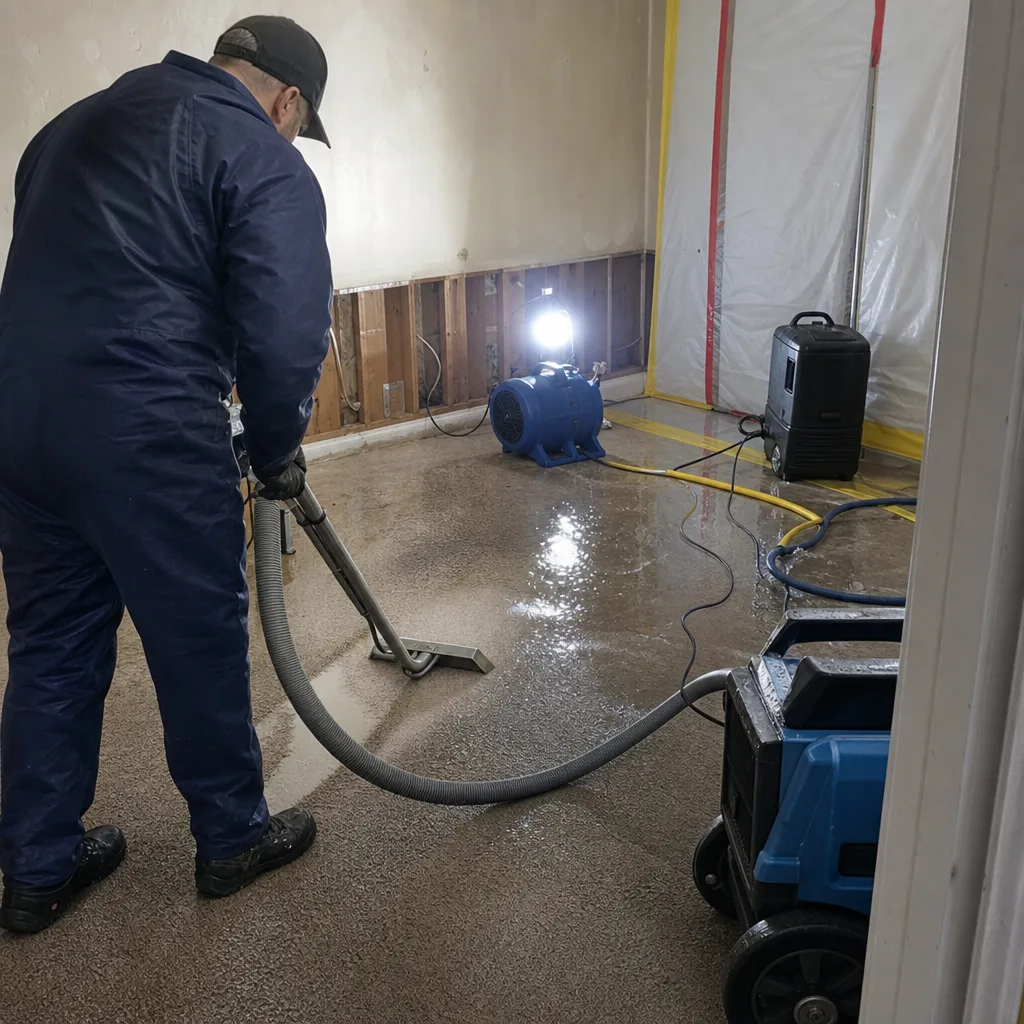
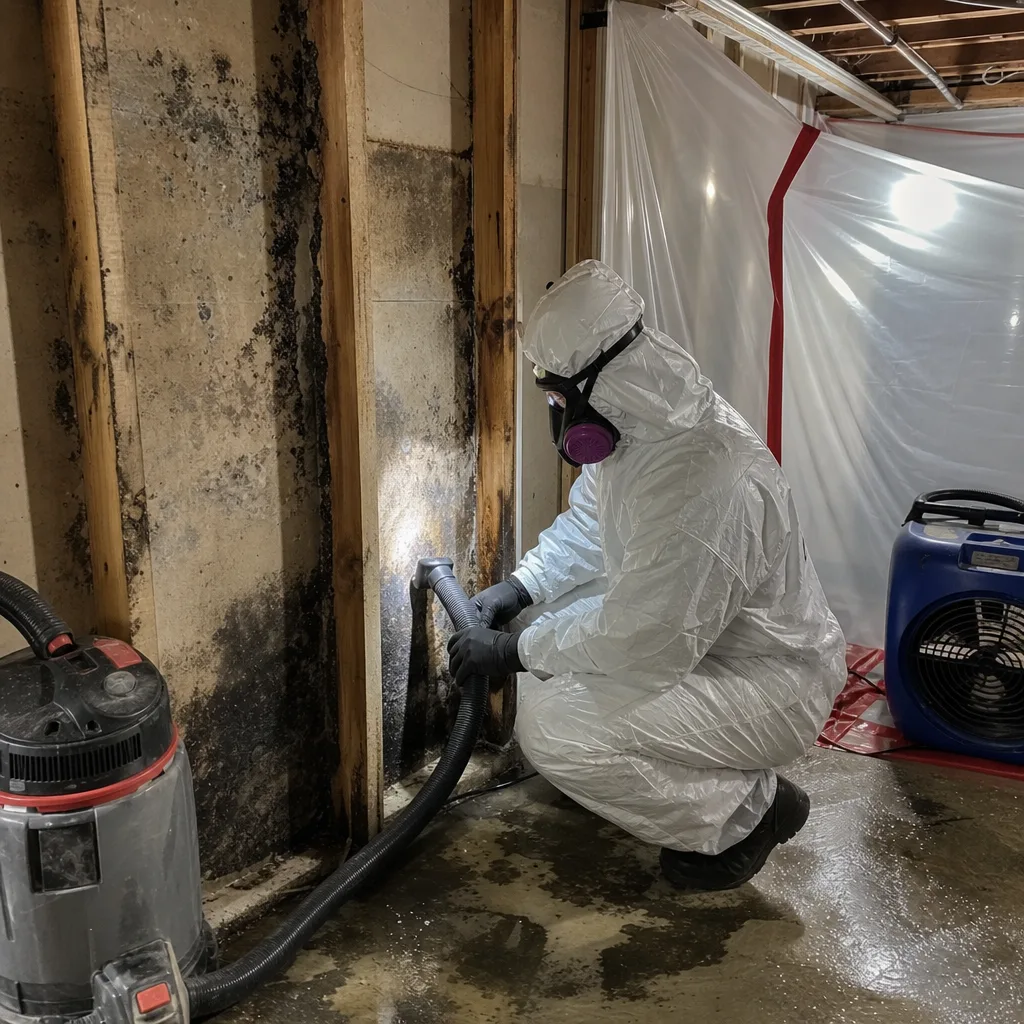
- Containment barriers: Physical isolation of the work area using 6-mil polyethylene sheeting sealed with duct tape at all edges. The containment must create negative air pressure relative to adjacent spaces, maintained by HEPA-filtered negative air machines exhausting to the exterior.
- Air filtration: Continuous operation of air scrubbers during active remediation and for a minimum 24-hour period after visible mold removal is complete. The code references IICRC S520 standards for equipment specifications and placement.
- Personal protective equipment: Minimum PPE includes N-95 respirators, eye protection, and disposable coveralls for limited contamination; full-face respirators with P-100 filters and sealed suits for areas exceeding 100 square feet of visible mold.
- Material disposal: Contaminated porous materials must be double-bagged in 6-mil bags, sealed with duct tape, and disposed of as construction debris, not household waste. Documentation of disposal weight and destination is required for permit closure.
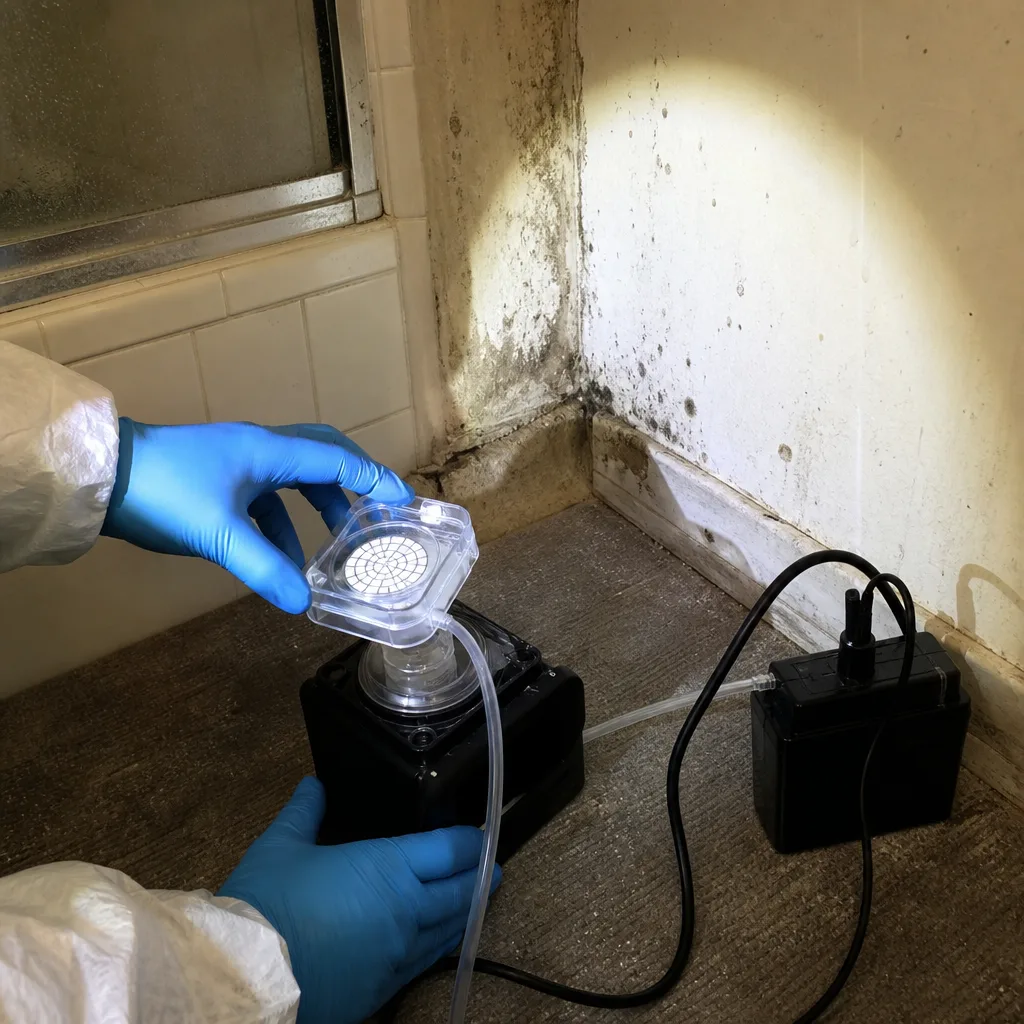
- Post-remediation verification: Visual inspection by the building inspector, and for projects exceeding 100 square feet, air sampling showing spore counts at or below outdoor baseline levels.
The 100-square-foot threshold is the critical breakpoint. Below this, a licensed mold remediator can perform work under a standard contractor’s notification to the building department, with no separate mold abatement permit in many jurisdictions. At or above 100 square feet, Pompano Beach requires a dedicated mold remediation permit with inspection at containment setup, mid-remediation, and final clearance.
We’ve documented cases where contractors skipped containment to save time, performed visible mold removal, and declared the job complete. The homeowner’s insurer, reviewing the claim file, requested the mold remediation permit and inspection records. None existed. The insurer denied the mold portion of the claim, citing lack of code compliance documentation, and the homeowner faced out-of-pocket costs exceeding $8,000 for re-remediation with proper permitting.
The Haven Standard, Clause 1, requires a written price before work begins on every job. For mold remediation, that written scope explicitly identifies the permit type, the inspection schedule, and the documentation the homeowner will receive at each stage. No work proceeds until the permit is issued, because unpermitted mold remediation is not just a code violation, it is a claim documentation failure.
Inspection Stages Homeowners Must Track
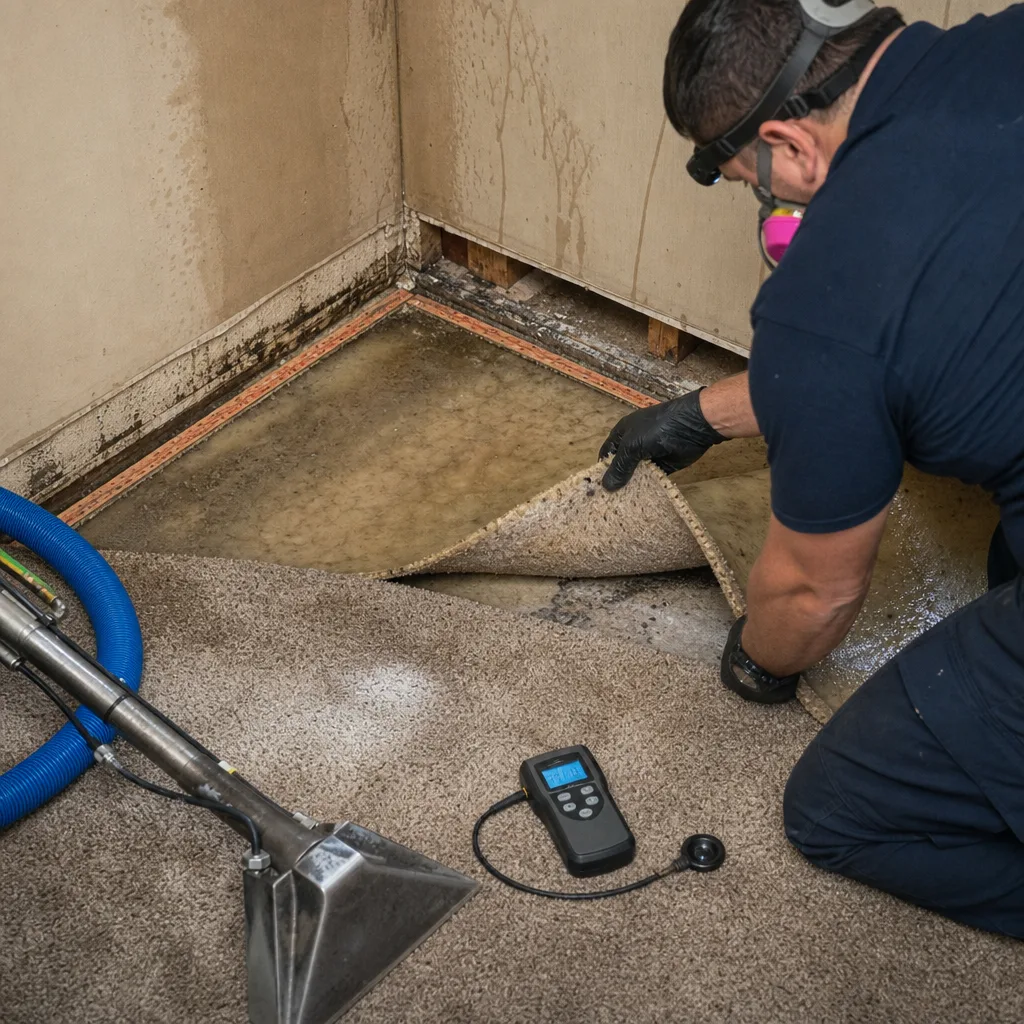
A permit is not a single approval. It is a sequence of inspection milestones, each requiring scheduling, site access, and documented passage before the next phase begins. Missing an inspection or failing to call for the next stage can invalidate the permit or trigger additional fees.
For a typical water damage restoration with drywall replacement in Pompano Beach, the inspection sequence is:
- Pre-construction or foundation inspection: Required if structural elements were affected. The inspector verifies that damaged materials were fully removed and that the substrate is dry to manufacturer specifications, typically 12-16 percent moisture content for wood framing measured with a pin-type meter.
- Rough inspection: Conducted after new framing is installed but before drywall is hung. The inspector verifies stud spacing, fire blocking, and structural connections. For electrical or plumbing work, this inspection occurs with wires and pipes exposed.
- Insulation inspection: Required if insulation was removed due to water damage. The inspector verifies R-value, proper installation, and vapor barrier placement. In Pompano Beach’s hot-humid climate, vapor barrier location is critical and frequently flagged.
- Drywall or lath inspection: Some jurisdictions require inspection of drywall installation before taping and finishing. Pompano Beach typically exempts this for standard residential replacement but requires it for fire-rated assemblies or sound-rated partitions.
- Final inspection: The comprehensive review of completed work against approved plans. The inspector verifies that all code requirements are met, that approved materials were used, and that the work area is safe for occupancy. Passing the final inspection triggers issuance of the Certificate of Completion.
Each inspection requires the property owner or authorized representative to be present to provide access. Contractors cannot unilaterally schedule inspections without homeowner confirmation in most jurisdictions. The homeowner must also ensure that utilities are active for inspection, that the work area is accessible, and that no debris or materials block the inspector’s view of completed work.
Failed inspections require correction and re-inspection. Pompano Beach charges a re-inspection fee of approximately $75 for the first failure, with escalating fees for subsequent failures. Common failure reasons include:
- Inadequate nailing pattern on replaced drywall
- Missing or improper fire blocking at penetrations
- Electrical work performed without the required electrical permit
- Moisture readings above acceptable thresholds in framing members
- Missing or incomplete documentation of mold remediation procedures
The Certificate of Completion is the document that closes the permit. Without it, the permit remains open indefinitely. Open permits appear on property records, trigger title company requirements at sale, and can prevent refinancing. We deliver the Certificate of Completion to every homeowner as a standard document in the job file, along with the photo record, drying logs, and written scope, because a closed permit is as important as dry walls.
Pompano Beach Floodplain Rules: When Partial Restoration Triggers Full Elevation
Pompano Beach sits in FEMA Flood Zone AE along the Intracoastal Waterway and extends into Zone X areas west of Federal Highway. The floodplain designation determines not just insurance requirements but the reconstruction rules that apply when damage occurs.
The National Flood Insurance Program (NFIP) Substantial Improvement rule states that if the cost of repairs to a structure in a Special Flood Hazard Area exceeds 50 percent of the structure’s market value, the entire structure must be brought into compliance with current floodplain management standards. For a home in Zone AE, this typically means elevation to the Base Flood Elevation plus one foot, or installation of flood vents in enclosed areas below the elevated living space.
This rule transforms a partial restoration into a major construction project. A homeowner with a $400,000 home in Pompano Beach’s Harbor Village who suffers $210,000 in water and mold damage from a storm surge event has crossed the Substantial Improvement threshold. The restoration cannot proceed as a standard repair. It must include elevation, flood venting, and potentially foundation reconstruction, with permits and inspections at each phase.
The market value calculation is not based on the homeowner’s opinion or a Zillow estimate. It is based on the Water Damage Restoration in Pompano Beach property appraiser’s assessed structure value, excluding land. The 50 percent threshold is cumulative over a rolling period, typically five years, so prior flood repairs count toward the total.
We’ve encountered homeowners who completed a $150,000 restoration after Hurricane Irma, then faced a second event three years later. The second restoration estimate of $80,000 pushed them over the Substantial Improvement threshold. The initial restoration, performed without elevation compliance, became a documentation problem for the second claim. The insurer, reviewing the cumulative repair history, denied coverage for work that should have triggered elevation requirements earlier.
For Pompano Beach properties east of Dixie Highway, we verify flood zone status before preparing any written scope. If Zone AE applies, we calculate the Substantial Improvement exposure and flag it in the initial documentation. This early identification allows the homeowner to discuss options with their insurer, their mortgage servicer, and the city building department before work begins, rather than discovering the requirement mid-project when permits are already in process.
Properties in Zone X are not exempt from all flood-related requirements. The Florida Building Code still requires moisture-resistant materials in below-grade spaces, proper grading and drainage, and backflow prevention on sewer connections. These requirements appear in restoration permits even when Substantial Improvement does not apply.
Why Insurers Pay Claims with Permit Records, Not Just Invoices
An insurance claim is a documentation contest. The homeowner must prove that damage occurred, that the damage was covered, that the work performed was necessary, and that the work was performed to accepted standards. A contractor’s invoice proves only that work was done and a price was charged. It does not prove code compliance, proper materials, or competent execution.
Permit records provide the documentation that invoices cannot:
- Code compliance verification: The permit application includes plans and specifications reviewed by a building official for code conformity. Approved plans establish that the proposed work met the Florida Building Code at the time of permit issuance.
- Inspection passage: Each passed inspection creates a contemporaneous record that work was performed to the approved standard, observed by an independent party, at a specific date and time.
- Material verification: Inspectors verify that installed materials match approved plans. This prevents substitution of inferior products that fail prematurely and generate secondary claims.
- Licensed contractor confirmation: Permit records name the licensed contractor responsible for the work. This creates accountability and provides the insurer a party to pursue if defects emerge.
- Certificate of Completion: The final document that closes the permit cycle, confirming that all requirements were satisfied and the work is legally complete.
In our experience with over 12,000 restored homes, claims with complete permit documentation settle faster and with fewer disputes than claims supported only by contractor invoices. The reason is simple: the permit record is third-party verification. The invoice is self-serving.
We document every job to IICRC, RIA, and IFA standards, producing daily drying logs with psychrometric data, room-by-room moisture readings, and photo records on every visit. When this documentation is paired with permit records and inspection passages, the claim file becomes difficult to dispute. The insurer sees not just that work was done, but that it was done correctly, observed by officials, and verified by measurement.
The Haven Standard requires this documentation as standard deliverables, never upsells. Every homeowner receives the photo record, the drying log, the written scope with permit numbers identified, and the Certificate of Completion when issued. These documents belong to the homeowner, not to us, and they are formatted for direct submission to insurers, mortgage servicers, and future buyers.
Homeowner Obligations After Permit Issuance
Pulling the permit is the beginning of homeowner responsibility, not the end. Florida law places specific duties on the property owner that cannot be delegated to a contractor, and failure to perform these duties can invalidate the permit, extend timelines, and create liability.
The obligations include:
- Scheduling inspections: In Pompano Beach, the homeowner or authorized agent must call for inspections at least 24 hours in advance, provide access to the property, and ensure that utilities are active. Contractors may assist with scheduling, but the legal responsibility remains with the permit holder, who is typically the property owner.
- Maintaining site access: Inspectors require unobstructed access to all work areas. Stored materials, locked gates, or absent occupants can cause failed inspections and re-inspection fees. We coordinate our crew schedules around inspection appointments to ensure the site is prepared and accessible.
- Retaining documentation: Permit applications, approved plans, inspection records, and Certificates of Completion must be retained for the life of the structure plus ten years under Florida record-keeping requirements. In practice, homeowners should retain these documents permanently, as they may be needed for future claims, property sales, or code upgrade verification.
- Notifying the building department of changes: If the scope of work changes during restoration, the homeowner must ensure that change orders are submitted to the building department and approved before modified work proceeds. Unapproved changes can void the permit.
- Final connection and activation: For electrical and plumbing permits, the homeowner must arrange for utility activation and final connection inspections. These cannot be performed by the restoration contractor alone.
Years after restoration, these obligations can resurface unexpectedly. We’ve had Pompano Beach homeowners contact us for documentation from jobs completed five or more years prior, typically because a new insurance claim, a property sale, or a code enforcement inquiry required proof of prior permitted work. Our files remain accessible because The Haven Standard requires complete documentation retention, but homeowners who worked with less systematic contractors often find no records exist.
The practical implication: create a permanent file for every restoration project. Include the original insurance claim, the contractor’s written scope, all permit documents, inspection records, Certificates of Completion, and the photo record. Store digital copies in cloud storage and physical copies in a fireproof container. This file is worth more than the work it documents if a future dispute arises.
Common Mistakes to Avoid
- Assuming the contractor handles everything: Many homeowners believe permit responsibility transfers to the contractor. It does not. Verify that permits are pulled before work begins, and request copies of all permit documents for your records.
- Starting emergency mitigation without documenting pre-loss conditions: In Pompano Beach’s humid climate, mold can develop within 48-72 hours. Emergency water extraction and drying using equipment from Injectidry or B-Air should begin immediately, but must be documented with photos and moisture readings to support the permit application and insurance claim.
- Ignoring the 200-square-foot drywall threshold: A standard 8-foot ceiling with water damage across one wall and part of the ceiling often exceeds 200 square feet. Measure before authorizing replacement, or require the contractor to confirm permit status in writing.
- Failing to verify flood zone status before major repairs: Properties in Pompano Beach’s Zone AE can trigger Substantial Improvement requirements that transform a restoration into a reconstruction project. Verify zone status and calculate exposure before accepting any scope of work.
- Accepting verbal assurances instead of written documentation: A contractor who promises to “take care of the permit” but provides no permit number, no inspection schedule, and no Certificate of Completion has not taken care of the permit. Insist on written confirmation at each stage.
- Discarding documentation after claim payment: Insurance claims close, but permit records remain relevant for property sales, refinancing, and future claims. Retain all documentation permanently.
- Neglecting re-inspection requirements after failed inspections: A failed inspection with uncorrected conditions can escalate to a code enforcement case. Address failures promptly, schedule re-inspection, and obtain written confirmation of passage.
When to Call a Professional
Call a licensed restoration professional when damage affects structural materials, electrical or plumbing systems, or when mold is visible on more than 10 square feet of surface. Call immediately if your property is in FEMA Zone AE and damage appears substantial, because the Substantial Improvement clock starts with the first repair dollar. Call when a previous contractor performed work without permits and you need documentation for a sale, refinance, or new claim.
DryMark Restoration Pompano Beach offers free estimates in Pompano Beach. Every estimate includes a written scope identifying required permits, the inspection schedule, and the documentation you will receive. We also provide a Free Second Opinion on any competitor’s written estimate. Call (754) 238-0219 to speak with a live person, 24 hours a day, 7 days a week.
Frequently Asked Questions
Most policies exclude coverage for work performed in violation of applicable building codes, which includes unpermitted work that required a permit. Some insurers may pay the mitigation portion while denying the reconstruction portion. The safest approach is to verify permit requirements before work begins and to include permit documentation in your claim submission. Call (754) 238-0219 for a free estimate that identifies permit requirements upfront.
Simple permits for drywall replacement typically issue in 3-5 business days. Combination permits for multi-trade restoration require 10-15 business days for plan review. Emergency permits for active leaks or structural hazards may be available same-day with proper documentation and contractor license verification. These timelines are separate from inspection scheduling, which adds 1-3 days per inspection stage.
In Pompano Beach, mold remediation exceeding 100 square feet requires a dedicated mold remediation permit with inspections at containment setup, mid-remediation, and final clearance. Below 100 square feet, a licensed mold remediator may perform work under standard contractor notification, though documentation to IICRC S520 standards is still required for insurance purposes. We identify the permit requirement in every written scope before work begins.
Open permits appear in title searches and typically prevent closing until resolved. Resolution requires obtaining a Certificate of Completion, which may necessitate exposing completed work for inspection, correcting any code violations, and paying re-inspection fees. The cost to close an open permit often exceeds the original permit cost by a significant margin. We close every permit we open and deliver the Certificate of Completion as a standard document.
FEMA maintains Flood Insurance Rate Maps accessible through the Map Service Center at msc.fema.gov. Pompano Beach properties east of Dixie Highway are predominantly in Zone AE, with Base Flood Elevations ranging from 8 to 12 feet NAVD88. The Broward County Property Appraiser’s office also identifies flood zone status in property records. We verify flood zone status before preparing any written scope for properties in our service area.
A licensed contractor can prepare and submit permit applications, but the property owner typically remains the permit holder and bears legal responsibility for compliance. The contractor’s role is administrative assistance, not liability transfer. Verify that your contractor is licensed in Florida, carries active insurance, and has a record of permit compliance in Broward County. Our license number appears on every estimate and permit application we prepare.
You should receive a Certificate of Completion closing the permit, a final inspection report, the contractor’s written scope and invoice, photo documentation of work performed, and any specialized reports such as mold clearance sampling or moisture verification logs. Under The Haven Standard, we deliver all of these as standard, with no additional charge, because incomplete documentation is a claim risk that we do not transfer to homeowners.
The Bottom Line
Permits are not contractor paperwork. They are homeowner protection. In Florida, unpermitted restoration work can void insurance coverage, trigger municipal enforcement, block property sales, and expose owners to liability that outlasts the repair itself. The specific thresholds, 200 square feet for drywall, 100 square feet for mold, 50 percent of structure value for flood zone properties, determine when compliance is mandatory, not optional. Tracking inspection stages, retaining documentation, and verifying Certificate of Completion issuance are obligations that remain with the property owner even when a contractor manages the process. The restoration company that treats permits as claim documentation, not as bureaucratic inconvenience, delivers value that persists long after the equipment is removed. For more guides & resources on protecting your property, visit our blog.
Written by Alicia Brennan, Owner at DryMark Restoration Pompano Beach, serving Pompano Beach since 2011.